





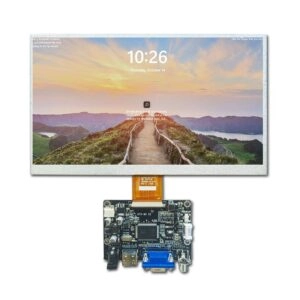
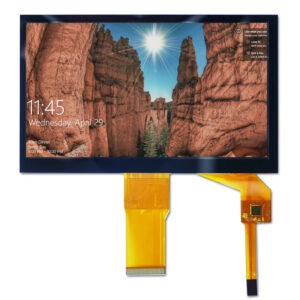

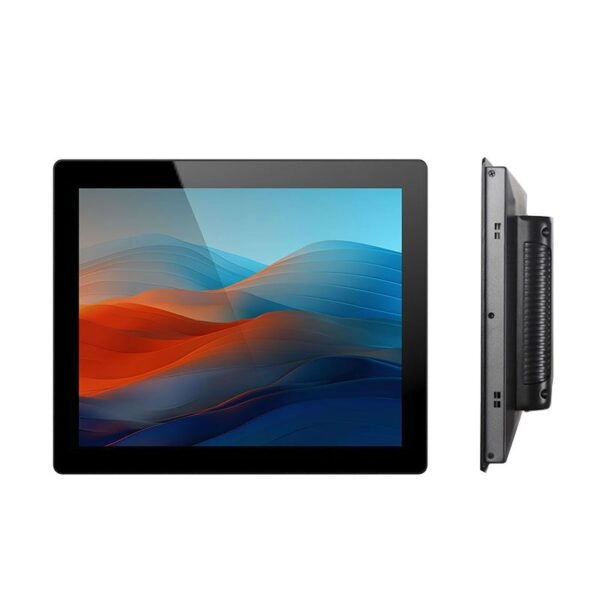
Industrial equipment depends on clear visual information for operation and safety. Consumer screens may perform well in controlled settings, but industrial conditions introduce temperature swings, vibration, dust, glare, and long operating hours. An industrial LCD is engineered around these realities.
This article explains industrial LCD displays, key selection specifications, cost factors, and rugged TFT LCD applications.
What Is an Industrial LCD?
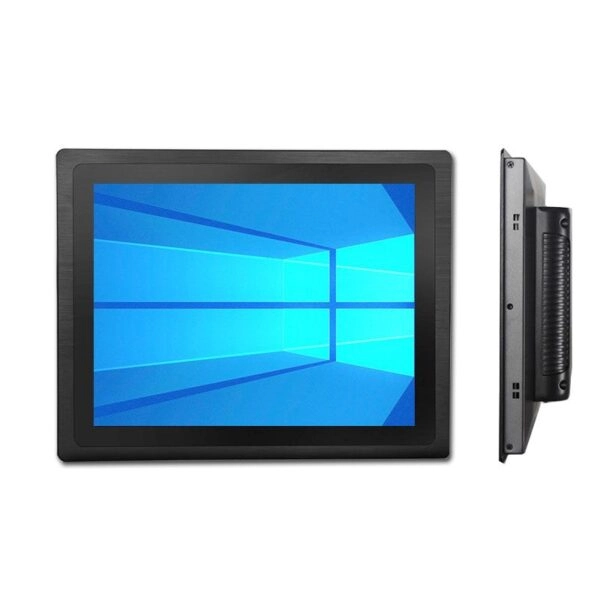
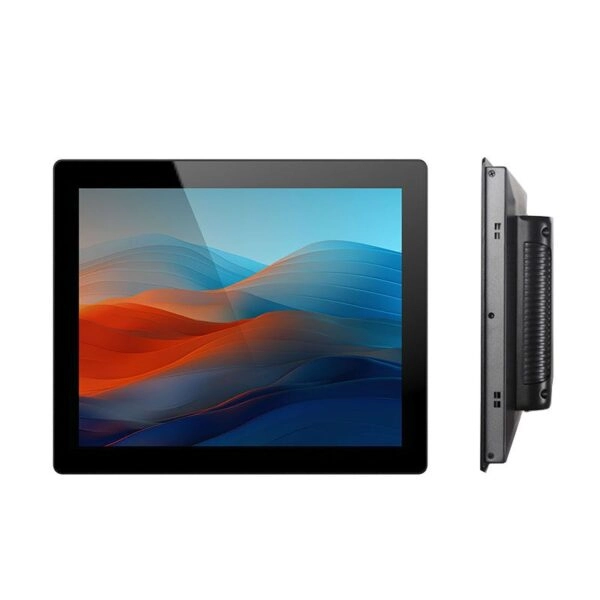
An industrial LCD is a liquid crystal display designed for stable operation, predictable supply, and dependable visual performance in commercial or industrial equipment. Its defining qualities are lifecycle, environmental tolerance, component consistency, and integration flexibility.
Compared with consumer-grade screens, an industrial LCD display may offer:
- Extended operating and storage temperature ranges
- Higher brightness for factories, vehicles, and high-glare spaces
- Wide viewing angles for multi-position observation
- Improved contrast and color stability
- Stronger resistance to shock and vibration
- Longer availability for repeat production
- Configurable interfaces, cables, connectors, cover glass, and mounting features
Industrial models are supplied as LCD panels or TFT LCD modules for product integration, requiring coordinated mechanical, electrical, optical, and sourcing decisions.
Why Choose an Industrial LCD?
LCDs used in industrial applications are chosen based on the principle where continuous operation is favored over immediate costs. Equipment for manufacturing, diagnostics, transportation, energy systems, and security systems have a long life span. Changing the specified LCD model during the equipment lifecycle may require mechanical redesign, tooling updates, software adjustments, validation, and recertification.
Key advantages include:
- Lifecycle stability:Longer supply windows reduce the risk of frequent redesigns caused by rapid consumer product turnover.
- Environmental durability:Industrial modules can be specified for temperature variation, vibration, shock, dust exposure, and continuous duty.
- Optical performance:High brightness, wide viewing angles, anti-glare surfaces, and optical bonding can improve readability under demanding lighting.
- Electrical compatibility:Common interfaces and customized pin assignments support integration with existing control electronics.
- Mechanical flexibility:Custom cable routing, connector locations, glass dimensions, brackets, gaskets, and adhesives can simplify product assembly.
- Production consistency:Controlled specifications and quality inspection help maintain uniform performance across repeat orders.
Together, these benefits reduce lifecycle engineering risk.
Factors to Consider Before Specifying an Industrial LCD
Industrial LCD selection should begin with application requirements, not a preferred size or resolution.
Environmental Conditions
Operating temperature is a primary criterion. Cold conditions may slow response, while excessive heat can reduce stability and service life. Vibration, mechanical shock, dust, humidity, and chemical exposure also affect the required construction.
The specification should define:
- Minimum and maximum operating temperature
- Storage temperature
- Expected vibration and shock levels
- Exposure to dust, moisture, oil, or cleaning agents
- Daily operating hours and duty cycle
Optical Requirements
Contrast, viewing angle, anti-glare surface, pixel pitch, performance under ambient lighting conditions, and color rendering will all affect the readability of an LCD display besides the brightness level.
The use of high-brightness LCD panels is essential for vehicles’ interiors, brightly lit manufacturing floors, automatic ticket dispensers or checkouts, and inspections. Wide-angle LCD panels have their importance in applications where operators view the screen from varying heights and angles.
Mechanical and Electrical Integration
The active area, outer dimensions, thickness, mounting points, cable direction, connector type, and interface must match the host equipment. Common interface options include LVDS, RGB, MIPI, SPI, and other digital formats.
Important integration checks include:
- Resolution and signal timing
- Supply voltage and power consumption
- Cable length, pinout, and exit direction
- Connector position and retention
- Cover glass dimensions and thickness
- Bezel clearance and mounting tolerance
Early dimensional verification reduces tooling changes and assembly delays.
Supply and Quality Planning
Industrial programs require more than a functional sample. Procurement teams should evaluate lifecycle status, minimum order quantity, lead time, change-notification procedures, batch consistency, traceability, and quality documentation.
A suitable LCD supplier should support sample validation, engineering review, production planning, and controlled customization before mass production.
Cost Drivers and Long-Term Value of Industrial LCDs
Industrial LCD pricing depends on the specification rather than screen size alone. Cost drivers include:
- Panel size, resolution, and aspect ratio
- Brightness and backlight life
- Wide-temperature capability
- Viewing-angle technology
- Touch integration when required for indoor industrial equipment
- Optical bonding and cover glass treatment
- Custom cables, connectors, and mechanical parts
- Order volume, testing requirements, and delivery schedule
A lower initial price does not always create the lowest total cost. An unsuitable consumer-grade screen may lead to unstable field performance, readability problems, production interruptions, or early obsolescence. Each issue can trigger engineering changes, additional inventory requirements, renewed testing, and delayed shipments.
Long-term value comes from selecting a display whose optical, environmental, mechanical, and supply characteristics match the product lifecycle. Stable specifications can reduce redesign frequency and protect manufacturing continuity.
Applications and Use Cases for Industrial LCDs
Industrial LCD modules are used wherever equipment requires reliable visual output under demanding operating conditions.
Factory Automation and Production Equipment
TFT LCD modules provide visual output for machine status, process data, alarms, recipes, and inspection results. Wide angles and high contrast make them easier to see near production lines, while vibration tolerance and reliable supply ensure their longevity.
Medical and Laboratory Equipment
Diagnostic devices, analyzers, imaging accessories, and laboratory instruments require accurate, consistent visual presentation. High resolution, controlled brightness, cleanable cover glass, and stable color performance can support precise observation and repeatable workflows.
Transportation and In-Vehicle Electronics
Vehicle dashboards, control consoles, passenger information units, and fleet equipment experience temperature variation, vibration, and changing ambient light. Wide-temperature LCDs and high-brightness options help maintain readability across operating conditions.
Energy, Utilities, and Process Control
Power distribution equipment, charging systems, measurement instruments, and process-control devices rely on clear status information. Industrial screens can be configured for long operating hours, compact enclosures, and specialized connection requirements.
Access Control and Self-Service Equipment
Indoor access terminals, payment devices, vending equipment, and ticketing systems require durable screens with reliable image quality. Customized cover glass, interfaces, cables, and mounting features help fit limited mechanical spaces while supporting repeated daily use.
FAQ
What Makes an Industrial LCD Different From a Consumer Screen?
An industrial LCD is designed around longer availability, wider environmental tolerance, predictable specifications, and integration flexibility. Consumer screens generally prioritize rapid product updates and cost-sensitive mass-market use.
How Long Does an Industrial LCD Last?
Service life depends on brightness settings, temperature, duty cycle, backlight design, and operating environment. Lifecycle planning should consider both expected operating hours and the supplier’s planned production availability.
Are High-Brightness Industrial LCDs Always Necessary?
No. Brightness should match ambient light and viewing conditions. Excessive brightness can increase power consumption and heat. The correct specification balances readability, thermal design, energy use, and service life.
Can an Industrial LCD Be Customized?
Yes. Common customization areas include cable length, pinout, connector position, interface configuration, cover glass, optical bonding, touch integration for indoor equipment, mounting parts, and backlight parameters.
Partner With an Industrial LCD Display Manufacturer and Supplier
For OEMs, equipment manufacturers, system integrators, and industrial procurement teams, the next step is a requirements-based display review covering size, resolution, interface, brightness, temperature range, viewing angle, mechanical dimensions, annual volume, and production schedule. Miqidisplay is an industrial LCD display manufacturer providing TFT LCD screens and customized display modules for demanding industrial applications. Project teams can submit specifications through the Contact Us page to request engineering evaluation, product matching, customization guidance, sampling support, and a business quotation.
Email: mary@miqidisplay.com
WhatsApp: +86 189 6801 5464; +44 07892800850