

In today’s industrial settings, equipment works under tough conditions. These include high heat, lots of dust, strong vibration, and nonstop use around the clock. Regular consumer displays often break down quickly here. That causes extra downtime and lowers overall work efficiency.
Industrial LCD monitors solve these problems. They use special designs built for toughness and longer working life. These screens keep running well in rough places. They help systems stay reliable over many years.
Many fields rely on good human-machine interfaces. This covers manufacturing automation and new energy setups. A solid industrial display acts as a key part. It lets operators watch processes closely and fix issues fast.
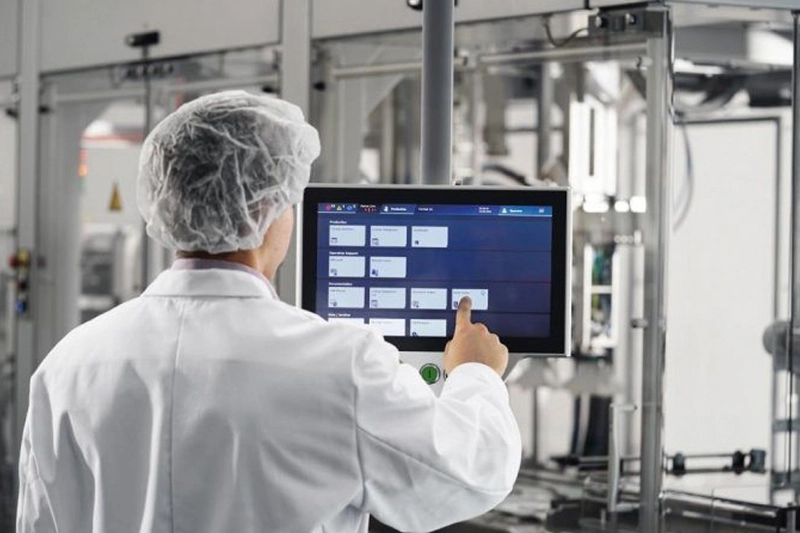
Industrial LCD Monitors: What Makes Them Different from Consumer Displays
Industrial LCD monitors focus on strong reliability. They handle nonstop work and tough outside factors. Parts like the LCD panel, backlight, and controller board get chosen for long life. This keeps things stable even when temperatures change or shakes happen.
Long product life matters a lot. Industrial machines often stay in place for many years. These monitors usually last more than 50,000 hours. That cuts down on swaps and keeps production going without stops.
Clear views stay important in places with bright lights or direct sun. High-brightness versions often hit 1000 nits or more. They add anti-glare coatings and optical bonding. This cuts reflections and keeps the screen easy to read all the time.
Custom Industrial LCD Monitors for Specialized Equipment
Standard industrial monitors work for general needs. But special machines need exact changes for the best fit and work.
Custom industrial LCD monitors offer made-to-order setups. They match unique mechanical, electrical, and surrounding needs. Designers sometimes run into limits where normal products do not fit in size, connections, or protection.
Customization makes it easy to fit into control panels with odd shapes or sizes. Options like HDMI, LVDS, VGA, or USB help connect right to embedded controllers, sensors, and other devices.
For outdoor spots or open areas, higher brightness over 1000 nits helps a lot. Extra features include IK-rated cover glass to resist hits and IP-rated seals against dust and water. These changes improve safety and keep systems up in hard spots.
Common customization features include:
- High Brightness (1000+ nits) for enhanced outdoor or high-ambient-light visibility
- Optical Bonding to minimize reflections and improve contrast
- IK-rated Cover Glass for protection against impacts
- Custom Interfaces for seamless system integration
- Wide Temperature Design (-30°C to 85°C or broader) for extreme environments
This kind of flexibility lets makers build solutions that fit exact needs perfectly.
Industrial Display Solutions: Key Components and Technologies
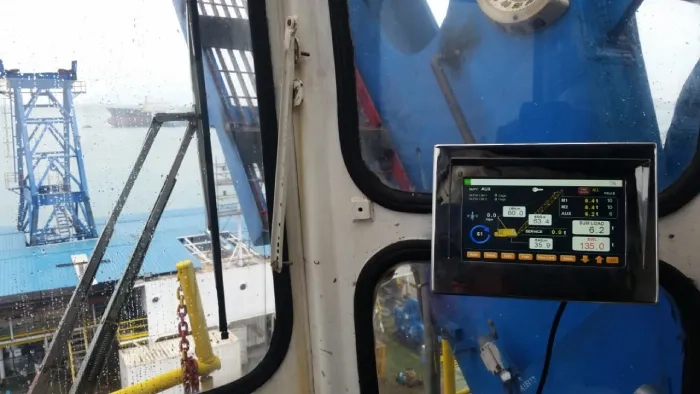
Industrial display solutions bring together several technologies. They give strong work and good interaction between people and machines. The display works as the main link. It connects control systems, embedded hardware, and operators in factory panels or self-service machines.
Core components include:
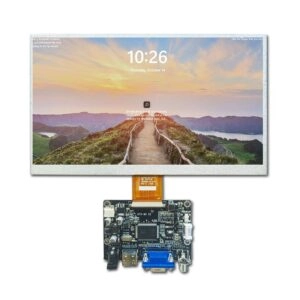
- LCD Panel: Provides visual output with defined resolution, color accuracy, and brightness
- Controller Board: Manages signal processing, ensuring compatibility with various input sources and long-term stability
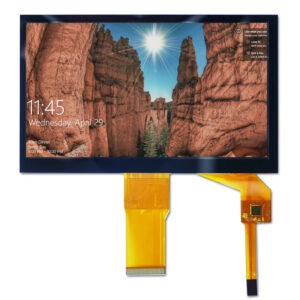
- Touch Module: Supports interactive input for parameter adjustments and status monitoring
- Cover Glass: Offers surface protection, often enhanced with anti-reflective treatments or optical bonding for durability and clarity
These parts work together smoothly. That ensures steady operation. Controller boards link display signals to platforms that run Linux, Android, or Windows-based embedded systems. They keep signals clear over long periods.
Industrial Touch Monitor: Enhancing Equipment Interaction
Touch features turn industrial displays into easy-to-use interfaces. Operators can check status, change settings, and handle alerts with them.
Industrial places put big demands on touch. Users often wear gloves. Screens face dirt, oil, or water. They also get heavy use all the time.
Common touch technologies include:
- PCAP (Projected Capacitive): Delivers multi-touch capability and high sensitivity, ideal for control panels and interactive kiosks
- Resistive Touch: Ensures compatibility with gloves and maintains functionality in rugged settings where precision under adverse conditions takes priority
The choice depends on ease of use and toughness in the environment. It supports steady interaction in many situations.
Industrial Display for Equipment: Real-World Applications
The need for tough industrial displays grows in different fields. Here the monitor acts as the main way for operators to interact.
EV charging stations use high-brightness displays. They add optical bonding and anti-glare to keep instructions clear in sunlight.
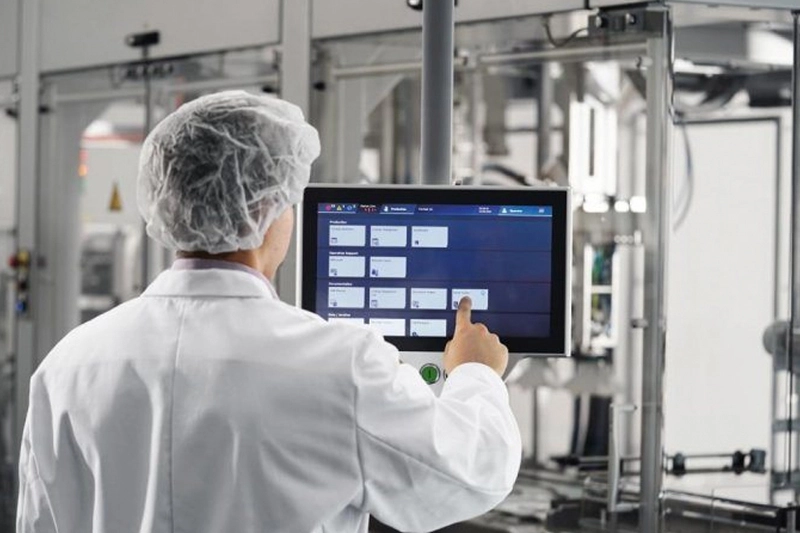
Factory automation uses these monitors as HMIs. They help watch equipment live, adjust production settings, and spot faults.
Other uses include:
- Medical equipment interfaces requiring precise visualization and hygienic compatibility
- Transportation terminals for information display and control
- Self-service kiosks in public and commercial settings
- Industrial control systems in manufacturing and process industries
Reliability in these areas affects work flow and safety directly.
Advanced Integration with Industrial Panel PCs
Many special systems use industrial panel PCs. These combine the display and computer in one tough unit. They often have fanless builds, resist EMI, and work in wide ranges. This supports hard automation jobs.
This setup makes things simpler in manufacturing, healthcare, and transportation. The built-in processing handles data collection along with display tasks.
Importance of Optical Bonding in Harsh Environments
Optical bonding removes air gaps between the LCD panel and cover glass. It cuts reflections and boosts contrast. This tech improves views in bright places. It also makes the structure stronger against shakes and hits.
Outdoor kiosks, marine gear, and bright factory areas gain from better readability and strength.
Ensuring Compliance and Certifications in Industrial Displays
Industrial monitors follow rules like IP ratings for dust and water protection. They include IK ratings for hit resistance. Certifications cover CE, RoHS, and ISO for quality and green standards. These make the displays fit for strict fields like medical, automotive, and energy.
Conclusion
Industrial systems depend more on advanced display tech. It forms a key part for running, watching, and interacting. Standard options often miss special needs. Custom industrial LCD monitors become very important. They handle exact demands in brightness, toughness, fit, and resistance to surroundings.
As equipment gets smarter and more interactive, custom industrial display solutions will boost efficiency and reliability in many areas.
Miqidisplay stands as a manufacturer and supplier specializing in premium industrial LCD monitors, custom TFT displays, and related solutions. With extensive OEM/ODM expertise, the company delivers high-brightness, wide-temperature, and touch-enabled monitors designed for industrial automation, medical, new energy, and other demanding sectors.
FAQ
What distinguishes industrial LCD monitors from consumer-grade displays?
Industrial LCD monitors feature extended lifespans (50,000+ hours), wide temperature ranges (-20°C to 70°C or broader), high brightness (700–1500 nits), and rugged construction for 24/7 operation in harsh conditions, unlike consumer displays optimized for intermittent use and controlled environments.
Why opt for custom industrial LCD monitors in specialized equipment?
Custom monitors accommodate non-standard sizes, interfaces, brightness levels, touch configurations, and protective features to ensure precise fit, seamless integration, and reliable performance where off-the-shelf options fall short.
Which touch technologies suit industrial applications best?
PCAP offers multi-touch and high sensitivity for modern interfaces, while resistive touch provides glove compatibility and robustness in glove-heavy or contaminated environments.
What role does optical bonding play in industrial displays?
Optical bonding reduces reflections, boosts contrast and visibility in bright conditions, and enhances structural strength against vibration and impact.
How do industrial displays support real-world applications like EV charging or factory automation?
High-brightness displays with anti-glare and bonding ensure sunlight readability in EV stations, while durable HMIs enable precise monitoring and control in automation settings.
Partner with a Reliable Industrial Display Manufacturer
Equipment manufacturers, OEMs, and system integrators who look for dependable custom industrial LCD monitors gain from working with an experienced display manufacturer. Miqidisplay offers tailored solutions. These include high-brightness panels, wide-temperature designs, capacitive touch integration, optical bonding, and custom interfaces to meet specific project requirements.
Contact the team to discuss project specifications, request samples, or explore OEM/ODM collaboration for industrial monitors and panel PCs. Reach out via email or WhatsApp for prompt technical consultation and quotation.