





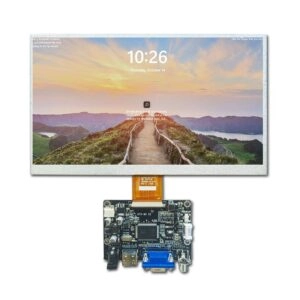
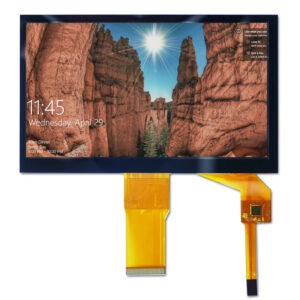

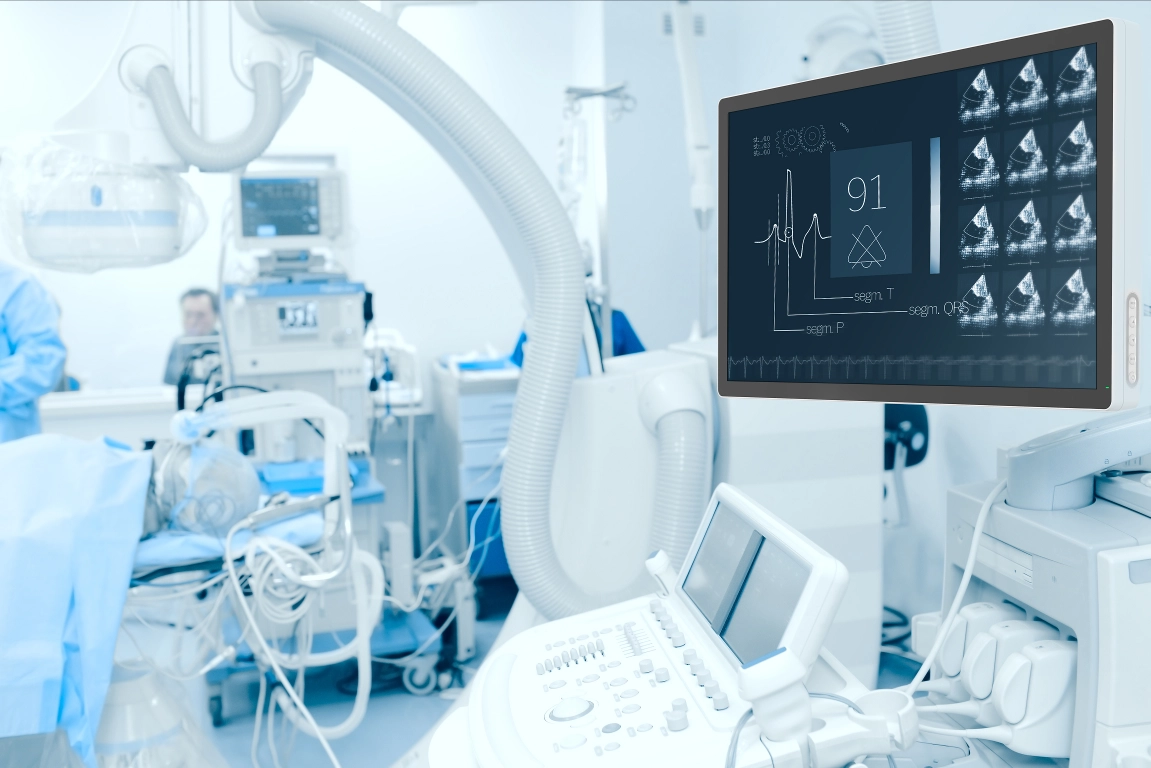
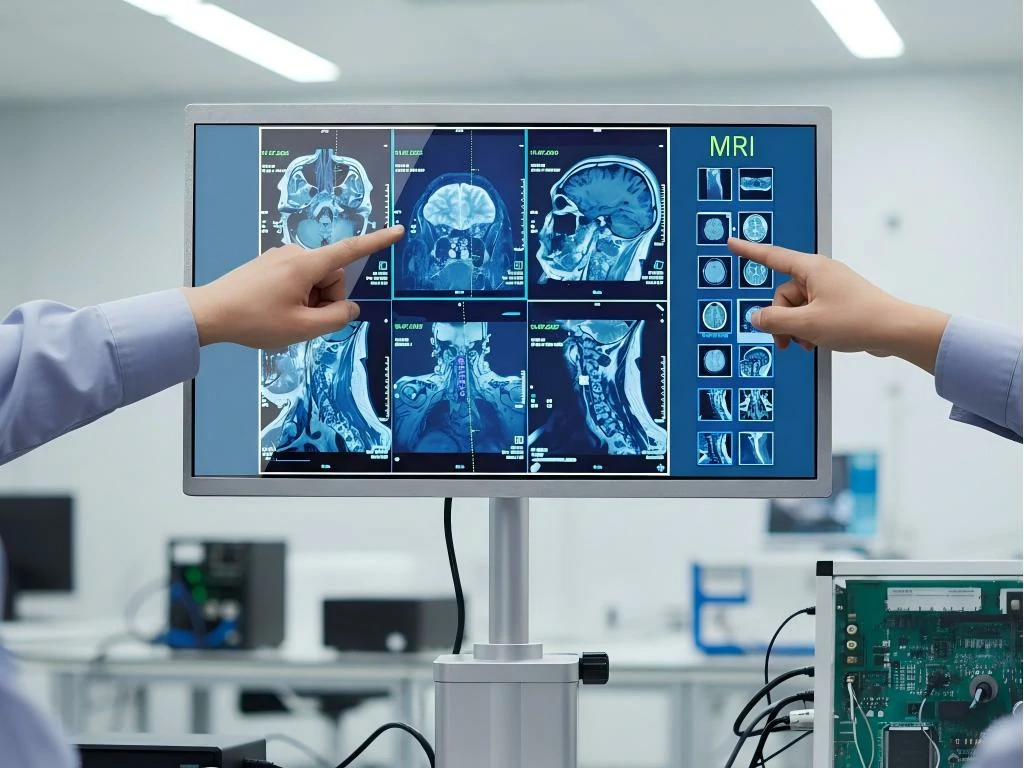
Medical displays work as carefully designed system-level solutions. They go beyond just brighter or fancier regular monitors. These screens combine advanced optics, exact electronics, very good grayscale truth, long-term steady performance, and close following of strict rules. The list below breaks down the must-have basics from extra high-end needs that often appear in top or true diagnostic uses.
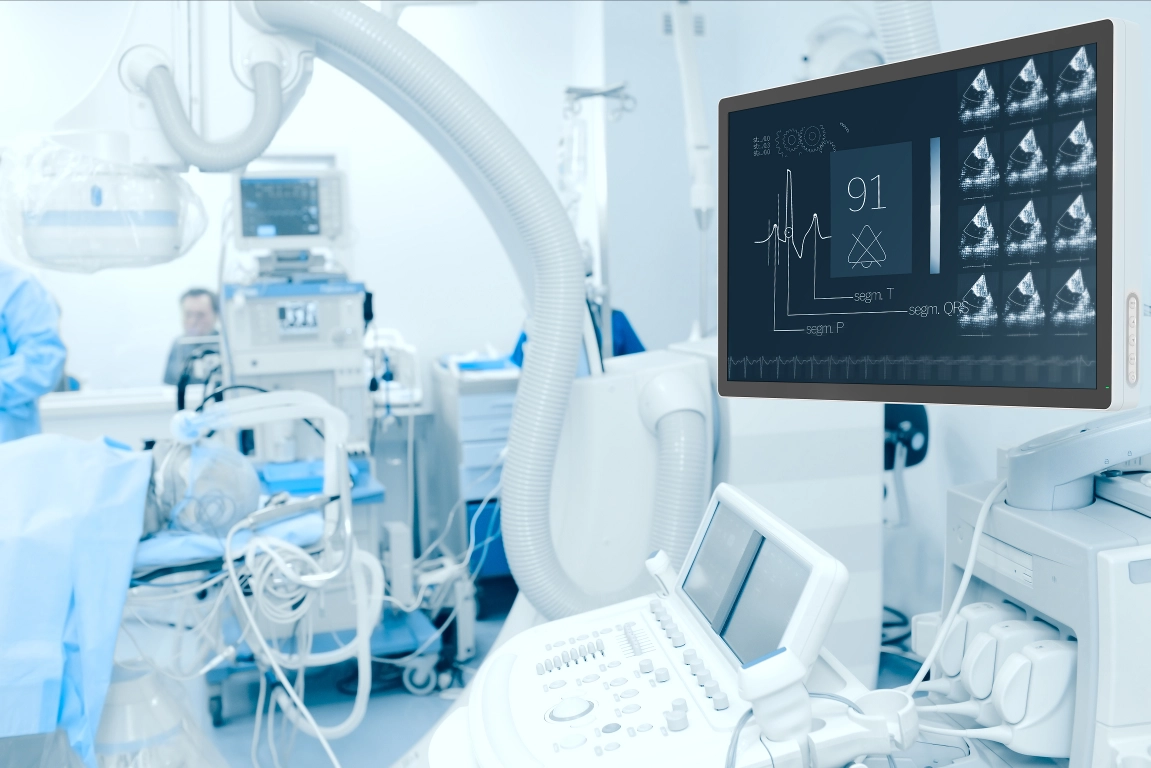
1. Classification of Medical Displays
Medical displays split into clear groups based on use and performance needs. Observation or clinical review displays fit tasks like operating room extra viewing, patient watching, endoscopy help, after-anesthesia care, and bedside info. These have medium strictness. Clinical-grade displays handle everyday image review at department stations with higher demands. Diagnostic-grade displays support radiology, mammography, pathology, and main image-based diagnosis. They need the strongest performance and rule following.
Most items called medical displays meet only observation-grade rules. True diagnostic-grade choices demand much tighter specs. This leads to a big cost difference.
2. Optical & Display Core Requirements (Most Critical)
2.1 Resolution & Size Matching (Mandatory)
The panel’s native resolution must match the source image pixel size exactly. Any heavy scaling or upscaling harms diagnostic truth and stays not allowed in pro settings.
2.2 Luminance (Brightness) (Mandatory / Stricter for Diagnostic)
Observation-grade displays usually reach peak brightness of at least 300 cd/m². Clinical uses aim for 400 cd/m² or more. Diagnostic displays, especially for mammography, need 1000 cd/m² to 2000 cd/m² peaks. Long-term brightness drop stays limited to 10–15%. Stable constant-current LED backlights and built-in closed-loop sensors support this.
2.3 Contrast Ratio & Black Level (Mandatory)
Observation and clinical displays target contrast ratios of at least 1000:1. Diagnostic models aim for 1500:1 to 2000:1. Very low black levels prove key for clear views of lung areas and soft tissues.
2.4 Grayscale Performance & DICOM GSDF (Mandatory for Diagnostic)
DICOM Part 14 Grayscale Standard Display Function compliance sets true diagnostic displays apart. Without it, products cannot count as diagnostic tools. Needs include true 10-bit grayscale (1024 levels), often helped with 12-bit look-up tables on 10-bit panels, no-drift long-term steadiness, and auto or semi-auto calibration support.
2.5 Color Performance (Application-Dependent)
Ultrasound and monitoring uses suffice with sRGB and 8-bit color. Endoscopy and surgical viewing need high color range and truth. Pathology requires ΔE ≤ 2. Advanced setups reach Adobe RGB coverage of 90% or more, true 10-bit color depth, and stable long-term color work.
3. Stability & Reliability (Critical for Medical Use)
3.1 Long-Term Stability & Aging (Mandatory / Diagnostic Critical)
Displays support 24/7 steady use with aging checked over 10,000 to 50,000 hours. Controlled drift keeps luminance, grayscale, and color true.
3.2 Luminance Uniformity (Mandatory / Diagnostic Critical)
Clinical targets reach 80–85% uniformity. Diagnostic applications demand 90–95%. Methods include zone-based panel fixes and factory-applied uniformity correction tables.
3.3 Viewing Angle Consistency (Mandatory)
IPS or similar wide-view tech ensures no grayscale flip or distortion across angles. This proves vital for team diagnostic review.
4. Hardware & Mechanical Design (Often Underestimated)
4.1 Electrical Interface (Mandatory)
DisplayPort stays preferred for steadiness, with DVI as older support. HDMI appears less liked in key medical spots due to possible signal issues. Interfaces need strong EMI hold suitable for hospital signal conditions.
4.2 Surface, Housing & Medical Environment Compatibility (Mandatory)
Surfaces resist cleaners and allow easy wipe-down. Optional traits include liquid entry protection and low-reflection medical-gray or white finishes.
4.3 Power System Reliability (Mandatory)
Medical-grade power designs include strong EMI/ESD protection and strict leakage current limits.
5. Software & Quality Control (Invisible Core)
Diagnostic displays need individual factory calibration reports, per-unit look-up table fixes, and full serial-number tracking for quality checks.
6. Regulatory & Compliance (Critical)
Key standards cover IEC 60601-1 for electrical safety, IEC 60601-1-2 for electromagnetic fit, and IEC 62304 for medical software steps. Area needs include FDA Class I/II in the USA, CE/MDR in the EU, and NMPA in China. Diagnostic displays require clear DICOM Part 14 compliance statements with test papers.
7. Engineering Summary
Observation-grade medical displays focus on IEC 60601 compliance, stable brightness, and reliable operation without required DICOM GSDF. True diagnostic displays include full DICOM GSDF paths, advanced grayscale and uniformity steadiness, 12-bit look-up tables, built-in sensors, and complete calibration systems. They often cost 3–10 times more than regular versions.
8. Observation-Grade Medical Display Module Requirements (LCD Module Level)
Observation-grade modules target clinical review, monitoring, and surgical viewing without final diagnosis. Requirements follow IEC 62563-1 guides but stay easier than diagnostic standards.
8.1 Optical Performance (Panel-Level)
Common resolutions include FHD (1920×1080), 1920×1200, and 2560×1440. Recommended pixel pitch stays ≤ 0.27 mm. Grayscale starts at 8-bit minimum, preferably helped with FRC for near-10-bit work.
8.2 Luminance / Contrast / Uniformity
Peak brightness reaches 350–400 cd/m². Calibrated working brightness stays ≥ 250–300 cd/m². Contrast reaches ≥ 1000:1. Black level stays ≤ 0.3 cd/m². Uniformity reaches ≥ 80–90%.
8.3 Panel Technology & Viewing Angle
IPS or ADS panels give ≥ 178°/178° viewing angles. TN tech proves not suitable.
8.4 Grayscale Linearity & Gamma
Stable Gamma 2.2 defaults ensure smooth changes without banding. This keeps headroom for possible future DICOM fixes.
8.5 Color Performance (Color-Critical Observation)
Coverage reaches ≥ 100% sRGB, optionally ≥ 95% DCI-P3. ΔE_avg stays < 2–3 after calibration with D65 white point.
8.6 Stability & Aging
Constant-current backlight control, temperature fixes, 30k–50k hour target lifetime, and sensor-ready spots support reliability.
8.7 Electrical & Interface
eDP 1.2+ or dual-channel LVDS interfaces provide 8/10-bit support. Refresh stays ≥ 60 Hz (75–120 Hz for video/endoscopy). Wide flicker-free dimming helps.
8.8 Mechanical & Environmental Design
Optical bonding fit, AG/AR/AF treatments, cleaner resistance, and thermal handling suit 24/7 operation.
9. Typical Applications (Observation-Grade)
Observation-grade displays appear in life-support and therapy devices. This includes ventilators (ICU, transport, anesthesia, neonatal), resuscitators, CPAP/BiPAP systems, and oxygen concentrators for waveforms, parameters, alarms, and trends.
Infusion and drug delivery systems such as volumetric/smart infusion pumps, syringe pumps, PCA pumps, insulin systems, and enteral feeding pumps show dosage, flow, volume, timing, and alerts.
Patient monitoring covers ECG monitors, multi-parameter systems (SpO₂, NIBP/IBP, respiration, temperature), bedside/central stations, EEG/EMG/sleep monitors for routine viewing.
Imaging devices include ultrasound (real-time/POCUS/portable), endoscopy (gastroscopes, colonoscopes, laparoscopes), surgical viewing, and C-arm helpers focused on color video, motion clearness, and low delay rather than diagnostic calibration.
Emergency gear features defibrillators (AED/manual), transport/portable monitors, and ambulance systems.
Laboratory instruments cover blood glucose meters, blood gas/coagulation/immunoassay analyzers, centrifuges, incubators, and cell counters.
Renal therapy includes hemodialysis, peritoneal dialysis, and CRRT machines.
Clinical IT involves EMR terminals, nurse stations, MAR systems, bedside information, and patient education displays.
Rehabilitation and assistive devices cover physiotherapy equipment, robots, gait analysis, and feedback terminals.
Portable/home-care clinical devices feature hospital-grade monitors, remote hubs, and telemedicine carts.
10. Common Display Sizes for Observation-Grade Medical Applications
Handheld low-info devices like blood glucose meters and alcometers favor 3.5-inch panels for numbers and icons. Portable oximeters and syringe/PCA pumps use 3.5–5 inch for readability at angles.
Bedside therapy and monitoring uses including ventilators, infusion pumps, ECG, and defibrillators benefit from 5–10.1 inch panels to hold waveforms, trends, and multi-parameters.
Imaging and console uses like dialysis, ultrasound, endoscopy, and multi-parameter ICU monitors use 10.1–15.6 inch for detailed views.
Platform matching plans allow a small group of SKUs (3.5/4.3 inch for small controls, 5/7 inch for bedside, 10.1 inch+ for consoles) to cover most observation-grade needs through shared backlight, optical, and reliability setups.
11. System-level, Engineering-oriented Mapping
Observation-grade applications share IPS/ADS panels, ≥400 nits brightness, 24/7 ability, IEC 60601-1-2 EMI readiness, DC/PWM dimming, wide temperature tolerance, and ≥30k–50k hour lifetimes.
Processor choices match complexity: MCU for simple numeric/safety-critical UIs (pumps, meters), low-end MPU for basic Linux interfaces, MPU for waveform-heavy monitors, and SoC for video/imaging/AI needs.
Miqidisplay excels as a display manufacturer specializing in high-quality LCD, TFT, OLED, and special display technologies tailored for demanding environments including medical applications. With extensive customization capabilities, medical-grade IPS panels, high-brightness options (up to 1000+ nits), antibacterial glass, and engineering support for observation-grade modules in devices like monitors, ultrasound systems, and surgical displays, Miqidisplay delivers reliable one-stop solutions for manufacturers and suppliers seeking precision display integration.
FAQ
What distinguishes observation-grade from diagnostic-grade medical displays?
Observation-grade displays support monitoring, control, and visualization without final diagnostic use, while diagnostic-grade requires DICOM GSDF compliance, higher luminance/uniformity, and stricter calibration.
Why is DICOM Part 14 compliance essential for diagnostic displays?
It ensures accurate grayscale reproduction for consistent image interpretation across systems, making non-compliant displays unsuitable for primary diagnosis.
Which panel technology suits observation-grade medical applications best?
IPS or ADS panels provide wide viewing angles, stable grayscale, and no distortion, proving essential for multi-operator or angled viewing.
How do luminance requirements vary across medical display grades?
Observation starts at ~300–400 cd/m², clinical at 400+ cd/m², and diagnostic often 1000–2000 cd/m² for visibility in bright environments.
Partner with a Trusted Display Manufacturer for Medical Projects
Medical device manufacturers and OEM suppliers require dependable, customizable display modules that meet stringent observation-grade and medical environment demands. Miqidisplay, as an experienced display manufacturer and supplier, offers tailored TFT LCD, high-brightness IPS, OLED, and special display solutions with features like wide-temperature operation, optical bonding, disinfectant-resistant surfaces, and integration support for ventilators, infusion pumps, patient monitors, ultrasound interfaces, endoscopy systems, and more. Contact the engineering team today to discuss custom requirements, request samples, or explore platform unification strategies that optimize supply chain efficiency and product reliability. Reach out via sales or technical support channels to initiate collaboration on next-generation medical display integrations.