




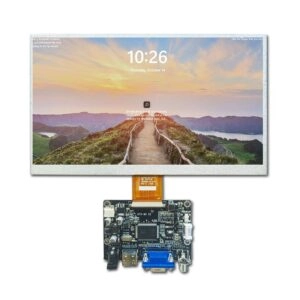
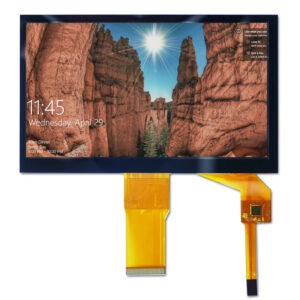

In industrial automation, reliability stands as a must-have need. Tough conditions cover extreme temperatures, dust buildup, steady vibration, shocks, high humidity, electromagnetic interference, and bright ambient light. These place heavy loads on hardware components. Industrial-grade TFT displays tackle these issues straight on. They act as sturdy fixes for key embedded systems. In those systems, stoppages can lead to big safety dangers, output drops, or work breakdowns.
These focused displays go beyond usual consumer screens in all points linked to staying power and output. Made just for hard field tasks, industrial TFT displays put first long life, sharp sight, and smooth function in many rough uses. Their build includes top parts and strict tests. This keeps steady work in places where consumer-grade choices would wear out fast or quit fully.
What Makes Industrial TFT LCDs Different?
Industrial TFT displays face strict build steps fit for real factory needs. This stands apart from daily consumer habits. Key differences include wide operating temperature ranges, high brightness levels, enhanced lifespan, custom interfaces, and optical bonding.
Wide Operating Temperature Ranges
Industrial TFT displays often handle -30°C to +85°C. Extended models go to -40°C to +90°C. This keeps steady output without liquid crystal freezing, image distortion, or thermal shutdown. It works in cold storage, hot manufacturing processes, or outdoor setups. Some add heaters for below-zero action. Others use better liquid crystal mixes for wider hold.
High Brightness and Sunlight Readability
Brightness levels go from 800 to 1500 nits. Ultra-high types top 2000 nits. This fights direct sunlight, strong overhead lighting, reflective surfaces, or foggy spots. Thus, it keeps good readability and cuts worker eye tiredness.
Enhanced Lifespan and Reliability
These displays back 5–10 years or more of steady 24/7 work. LED backlights rate for 50,000–100,000 hours to half brightness. This cuts upkeep in non-stop systems. It does so through known aging and high-MTBF parts.
Custom Interfaces and Integration Flexibility
Interfaces like LVDS, RGB, MIPI-DSI, SPI, HDMI, VGA, DVI, or eDP allow easy mix into embedded controllers, single-board computers, legacy systems, and modern edge devices.
Optical Bonding for Superior Durability
Optical bonding joins protective glass to the display surface. It cuts reflections by up to 75%. It boosts contrast, removes air gaps that lead to fogging or condensation, and raises strength against shock, vibration, and moisture entry.
Extra traits include IP65/IP66 or higher ratings for dust and water guard. They cover anti-vibration and shock hold that meets IEC 60068 standards. EMI/RFI shielding helps too. Conformal coatings fight humidity and chemical harm. Capacitive or resistive touch runs well with gloves or in dirty states. These come from top materials, strengthened backlights, and industrial-grade parts aimed at steadiness.
Industrial TFT LCDs vs. Consumer Displays: A Detailed Comparison
Industrial TFT LCDs vary in basic ways from consumer-grade matches in build ideas and details. Consumer displays focus on low cost, thin shapes, quick refresh times, and looks. Industrial ones stress long-run steadiness, setting toughness, and steady supply.
Consumer TFT displays usually work in tight ranges like 0°C to 40°C. They give 200–400 nits brightness, shorter life (20,000–30,000 hours), limited supply hold (6–18 months), and simple interfaces. Industrial models offer wide temperature hold, high nits for rough light, long MTBF ratings, long-term access (3–10+ years), tough cases (metal or stainless steel), anti-glare care, better contrast, glove-fit touch, water push-back, and fit with industrial standards. This fits them for 24/7 key use without needed reworks.
Where Are They Used?
Industrial TFT displays see use in many areas where breakdowns bring high costs or safety threats.
Factory Automation Applications
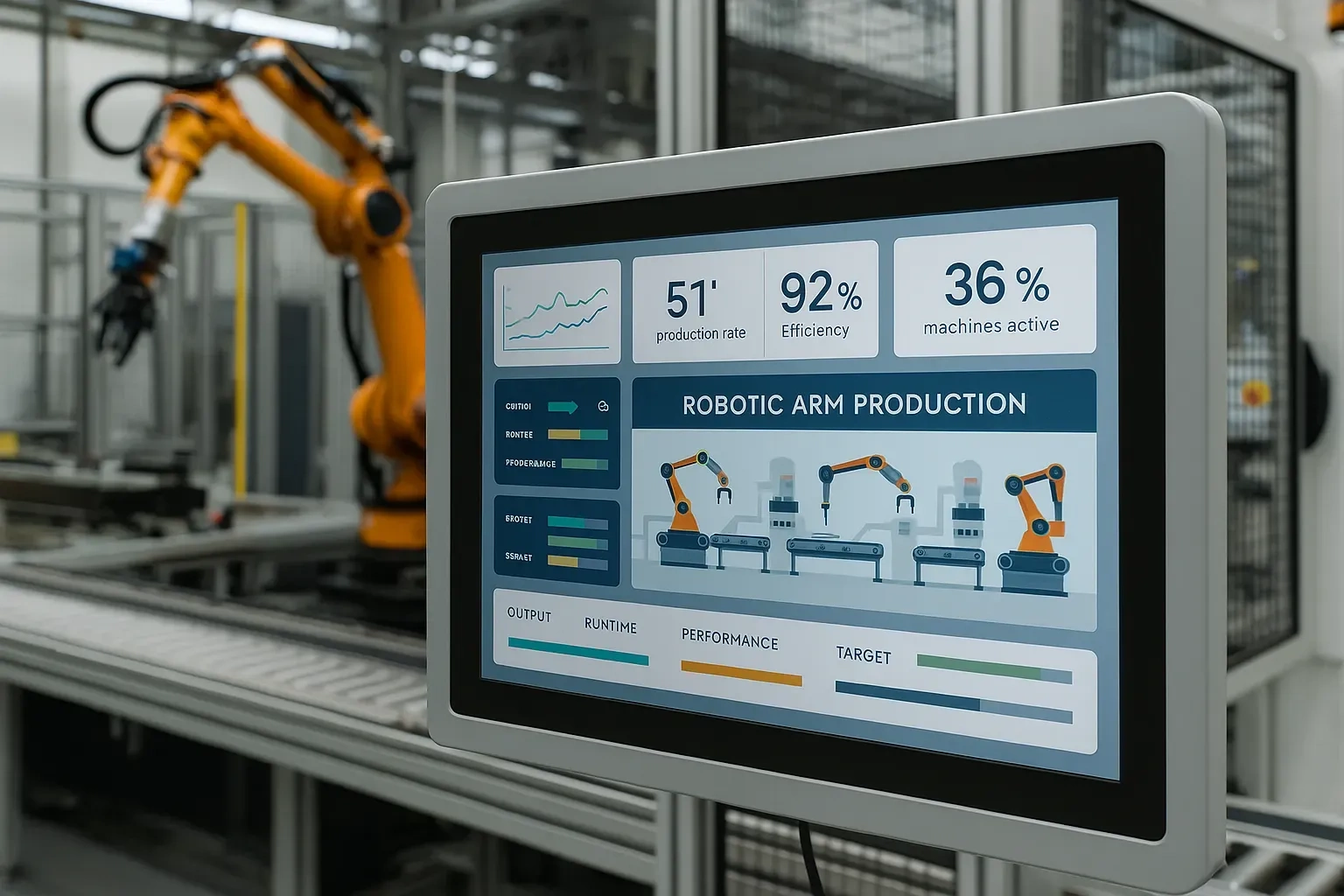
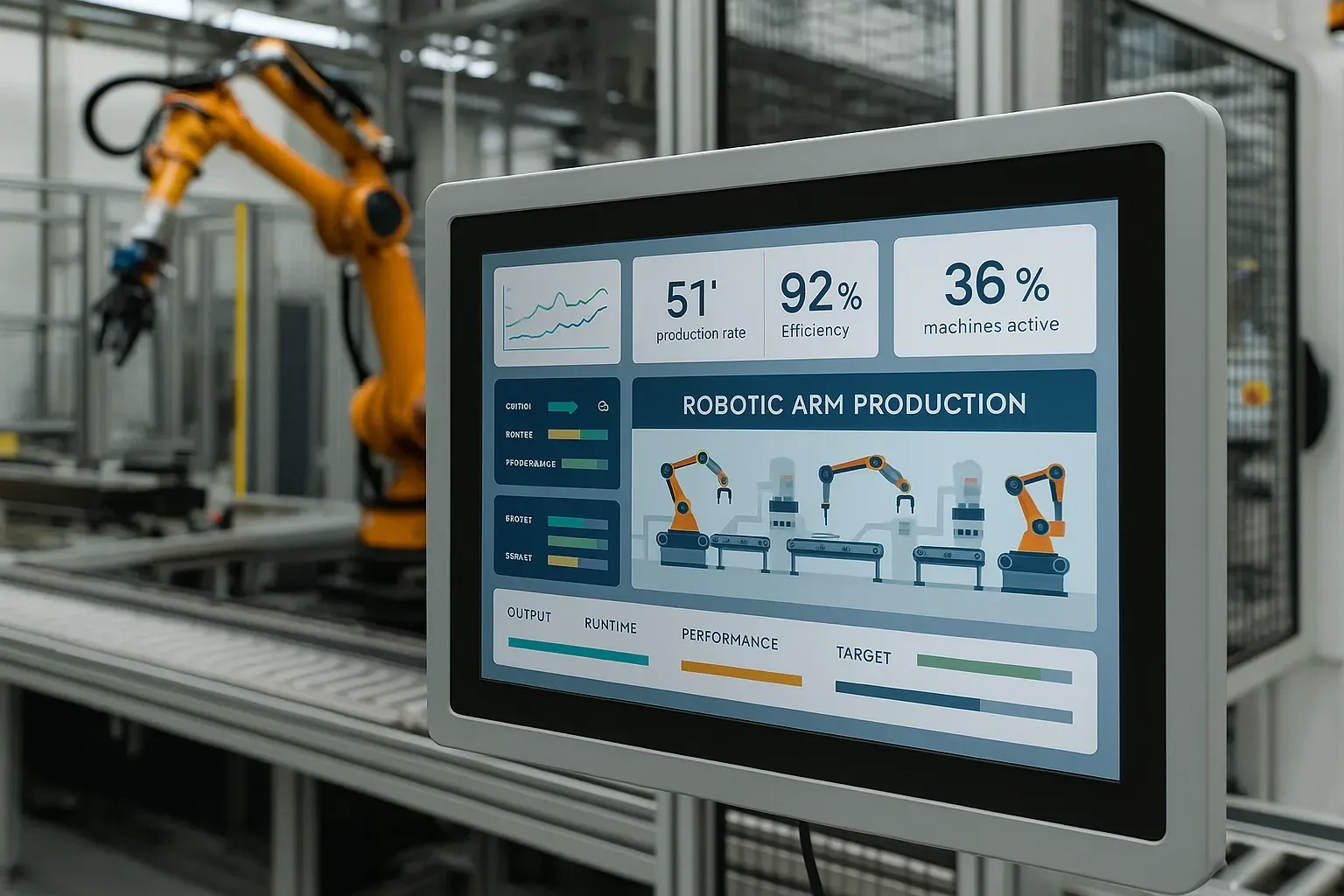
Human-Machine Interfaces (HMIs) on production lines, control panels, robotic systems, and process monitoring need steady sight in dusty, shaking, or hot settings.
Medical Equipment Deployments
Portable diagnostic devices, patient monitoring systems, surgical interfaces, laboratory analyzers, and imaging equipment call for high clearness, hygiene fit (easy-to-clean surfaces with antibacterial options), exact color match, and steady work.
Outdoor Terminals and Infrastructure
EV charging stations, public information kiosks, vending machines, digital signage, marine navigation, agricultural machinery, and transportation systems meet weather highs, UV hit, salt rust, rain, and changing light.
Embedded Systems Integration
HVAC controllers, vehicle infotainment and dashboards, IoT gateways, transportation ticketing, logistics scanners, oil & gas field instruments, rugged handheld terminals, and security/access control panels gain from small to big sizes, stretched forms, wide aspect ratios, and low power use.
Real-World Use Case
Industrial TFT displays do well in cases needing ongoing output under hard spots. In factory plants, HMIs with high-brightness panels keep sight clear amid oil mist, metal dust, varying heat, and side views. In outside jobs like EV charging setups, sea areas, or oil rigs, sun-readable screens use optical bonding, IP-rated guard, and wide-temperature work. These stop washout, water build, rust, and keep user action. Medical uses have wide viewing angles like IPS-based for 178°/178° steadiness. They include anti-bug layers, true color for checks, and hygiene rules. In oil and gas or transport, rough TFTs give vital data on pressure, temperature, and flow rates. They hold up without break in wild weather or vibration. Fit specs allow smooth mix and less stop time.
Key Selection Criteria for Industrial TFT Displays

Picking the best industrial TFT display means checking key factors past main details.
Backlight Longevity and Thermal Management
LED backlights wear quicker at high temperatures. They lose 30–40% life per 10°C over 25°C. So, choose high-hour ratings, good heat spread, and extra heaters for cold lows.
Viewing Angles and Panel Type
IPS technology keeps color steady and wide angles up to 178°. This matters for group viewing or side setups. It beats TN panels with tight angles and color changes.
Certifications and Compliance
Sticking to standards like IEC for shock/vibration, RoHS/REACH, CE/FCC for EMI, or special certs makes sure of rule and safety fit.
Touch and Interaction Features
Projected capacitive touch backs glove use, water push, and multi-touch for dirty work. Resistive types shine in very wet or tough states.
Power Efficiency and Integration
Low-power builds with wide voltage like 9-36V DC aid far or power-limited systems. They cut build time.
Additional Considerations for Selection
Anti-glare or anti-reflective layers cut shine. Wide aspect ratios fit special HMIs. Quick response times deal with moving content without blur. Processor fit makes easy steps. Higher resolutions, dirt-proof multi-touch, EMI cover, and IoT mix back far checks and ahead upkeep.
Final Thoughts
The screen part in rough embedded goods does more than act as a plain user link. It serves as the main bond between workers and hard machines. Choosing a right industrial TFT display ensures lasting sight, work wholeness, and system trust in tough spots. A solid pick cuts stop time. It raises safety, backs output in high-risk areas, and fits with new automation and strong setup needs.
FAQ
What is the typical operating temperature range for industrial TFT displays?
Industrial TFT displays commonly support -30°C to +85°C, with advanced models reaching -40°C to +90°C, allowing reliable performance in extreme cold storage, hot manufacturing processes, or outdoor installations without thermal issues or image distortion.
How does high brightness improve usability in harsh environments?
Brightness levels of 800–1500 nits (or higher) combat intense ambient light, such as direct sunlight or bright factory lighting, ensuring content remains legible, reducing glare, and minimizing operator eye strain.
What interfaces are commonly available on industrial TFT displays?
Common interfaces include LVDS, RGB, MIPI-DSI, SPI, HDMI, VGA, DVI, and eDP, providing flexibility for integration with various controllers, industrial PCs, and legacy systems.
Are touch capabilities suitable for gloved use in industrial settings?
Many models feature projected capacitive touch that supports glove operation, multi-touch gestures, water rejection, and high sensitivity even in dusty or wet conditions, with resistive alternatives for extreme cases.
Partner with a Trusted Industrial Display Manufacturer
Business seeking reliable industrial TFT displays for harsh environments benefit from partnering with an experienced display manufacturer like Miqidisplay. Specializing in high-quality TFT LCD solutions, including industrial monitors with IP65/IP67 protection, wide-temperature operation (-30°C to +85°C), high-brightness panels (up to 1500+ nits), optical bonding, capacitive touch with glove support, and tailored interfaces (HDMI, VGA, LVDS, etc.), Miqidisplay delivers durable products suited for automation, medical, outdoor, military, energy, and embedded applications. With over 20 years as a direct manufacturer, ISO-9001/14001 and TS-16949 certifications, and extensive OEM/ODM expertise, the company supports custom projects through size variations, enclosure modifications, brightness enhancements, conformal coatings, and interface adaptations to ensure precise fit, vibration resistance, and enhanced performance. Reach out to explore custom solutions, request samples, or discuss volume supply requirements to strengthen product reliability and market competitiveness.