




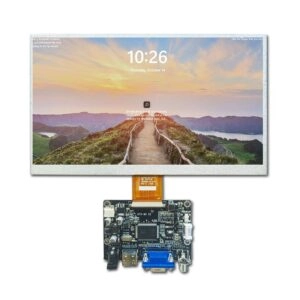
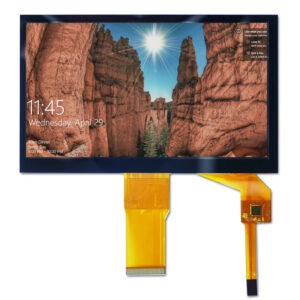


Industrial LCDs stand for special screen tech built tough for hard work places. Normal home or office screens just can’t handle the tough jobs. These displays focus on long life, strong build, and steady work even when things get rough. They put lasting quality first instead of short looks or low price. Makers plan industrial LCDs to stay around for years. Many keep parts ready for 5-10 years or longer. This helps big projects run smooth without constant changes or new tests.
What Defines an Industrial LCD?
An industrial LCD works in a different way from everyday screens. Consumer displays chase bright fun colors for home use in nice rooms. Industrial ones put trust and toughness first in bad spots. Main parts include strong pieces that stand up to shaking, bumps, dust, water splashes, and electric noise.
Wide temp ranges mark a big difference. Most run fine from -20°C to 70°C. Some go even further to -30°C to 85°C. Regular home screens usually stop at 0°C to 50°C. This lets them work in plants with changing heat or outside spots hit by cold winters and hot summers.
High brightness often tops 1000 nits in better models. Anti-glare layers and glued optics keep pictures clear under strong sun or bright lights. Viewing angles reach up to 178 degrees. This keeps images sharp even from the side. It helps when several people watch control screens at once.
Key Features of Industrial LCD Displays
Industrial LCDs pack in many strong points to meet tough needs.
Durability
Tough cases, special coatings, and high IP ratings like IP65 block dust and strong water jets. Higher ratings handle heavy wash areas. These guards stop breakdowns from dirt or wet messes common in work sites.
Reliability
Backlights last 50,000 to 100,000+ hours. MTBF numbers fit important jobs. Shake and bump resistance follows rules like MIL-STD-810. This keeps things running during moves or near big machines.
Performance
Better contrast helps see details in mixed light. Wider color ranges give true pictures for checks or watching tasks. Touch choices include projected capacitive that works with gloves or many fingers at once.
Connectivity
Connection options cover VGA, HDMI, DVI, USB, RS-232, and GPIO ports. They link easily to factory controls, built-in systems, or panel PCs.
Why Industrial LCDs Outperform Commercial Alternatives
The big split comes from how they get built. Commercial screens aim at calm indoor spots. They chase thin looks and low power for short daily use. Industrial LCDs face long hours around things that wear out normal ones fast.
Home screens often lose support quick. Parts vanish in 1-2 years as new models take over. Industrial types keep steady supply lines. This cuts work needed when parts change.
Tough build stops usual breaks. Liquid crystals don’t freeze in cold. Backlights don’t fade in heat like weak displays do. Approvals such as CE, RoHS, and field-specific ones prove they fit strict rules in places like health or travel.
Factors to Evaluate When Selecting an Industrial LCD
Picking the right screen takes careful thought about the job.
Lifecycle match
Makes sure the display stays available as long as the final product needs. This avoids changes halfway through.
Job needs
Guide choices. Wide-temp suits outdoor stands. High-bright works on factory floors under strong lights.
Order details
Include smallest buy amounts, wait times, and custom chances to fit build plans.
Rule checks
Confirm safety, green standards, or field laws.
Supplier skills
In extra help—like setup aid, tests, or fast samples—speed things up and lower risks.

Cost Considerations and Long-Term Economic Benefits
Industrial LCDs cost more at first than home versions. Special stuff, hard tests, and smaller runs drive the price. Main cost parts cover screen size and sharpness, brightness upgrades, touch add-ons, tough cases, and extras like glued optics or coatings.
Higher start pay brings real savings later. Less stop time, fewer fixes, and no forced redesigns from old parts add up. Steady work in rough spots makes whole systems last longer. This gives better return in big-money setups.
Diverse Applications Across Industries
Industrial LCDs play key parts in many fields.
Factory automation
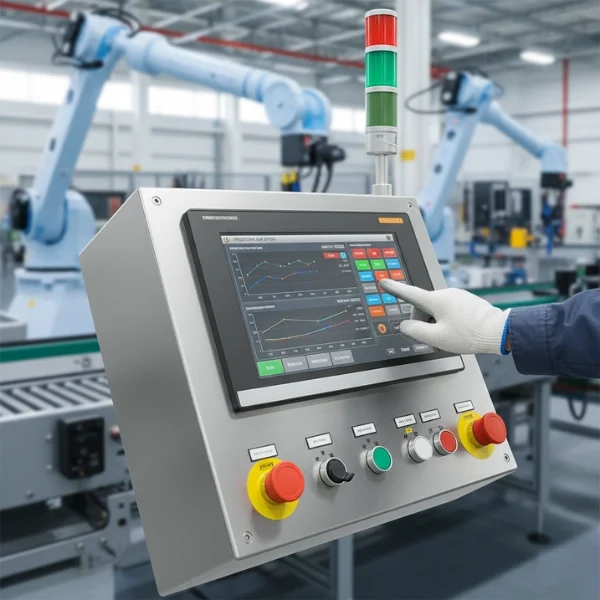
They act as human-machine interfaces (HMIs) on control boards. Operators watch and adjust live in production lines.
Medical and healthcare
Spots use them in test gear, patient watches, and surgery screens. Clear views, clean fit, and trust matter most there.
Transportation
Adds rugged displays to car dashes, train controls, and plane setups. They handle movement and weather shifts.
Energy and utility
Work puts them in power plants or oil/gas sites. Extreme conditions and always-on needs fit well.
Outdoor stands
Vending machines, and touch signs use sun-readable, weather-tight builds for public use.
Military and aerospace
Demand MIL-spec trust for flight gear and tough computers in serious spots.
Enhancements and Customization Options for Industrial Needs
Many jobs need changes beyond ready-made items. Choices cover custom cable sizes and plugs for easy fit, changed PCBs for tight spaces, special front glass with optical bonding to cut glare and boost strength, and tuned backlights for exact brightness or night vision match.
These tweaks solve special problems. Examples include germ-killing surfaces for health care or IP67 seals for heavy wash spots. They make sure the fit and work stay perfect.
FAQs About Industrial LCDs
How Long Do Industrial LCDs Typically Last?
Backlight life often reaches 50,000-100,000+ hours. Overall product availability spans 5-10 years or longer. This supports long use without swaps.
What Distinguishes Industrial LCDs from Commercial Displays?
Industrial variants feature superior durability against vibration, shock, dust, moisture, and extreme temperatures. They add higher brightness, wider viewing angles, 24/7 operation capability, and long-term supply stability.
Can Industrial LCDs Perform Effectively in Sunlight?
Yes, through high-brightness backlights (1000+ nits), anti-reflective coatings, and optical bonding techniques. These reduce glare and improve contrast in bright ambient conditions.
Partner with a Reliable Industrial Display Manufacturer
Clients seeking dependable industrial LCD solutions benefit from partnering with established display manufacturers like Miqidisplay. As a premium display manufacturer with over 20 years of OEM/ODM expertise, Miqidisplay delivers high-quality industrial monitors, touch panels, and x86 panel PCs designed for harsh environments. Offerings include rugged features such as wide-temperature operation, capacitive touch, multiple interfaces, and IP-rated protection across sizes from 10.1 to 21.5 inches.
Custom solutions provide tailored hardware and software adaptations, including cable modifications, interface integrations, cover glass enhancements, and mounting options to meet specific project demands. With strict quality control, certifications including ISO-9001, CE, and RoHS, plus rapid response engineering support, Miqidisplay ensures reliable supply and performance for B2B applications in automation, medical, transportation, and beyond. Contact the team today to discuss requirements and explore customized industrial display solutions that drive project success.