






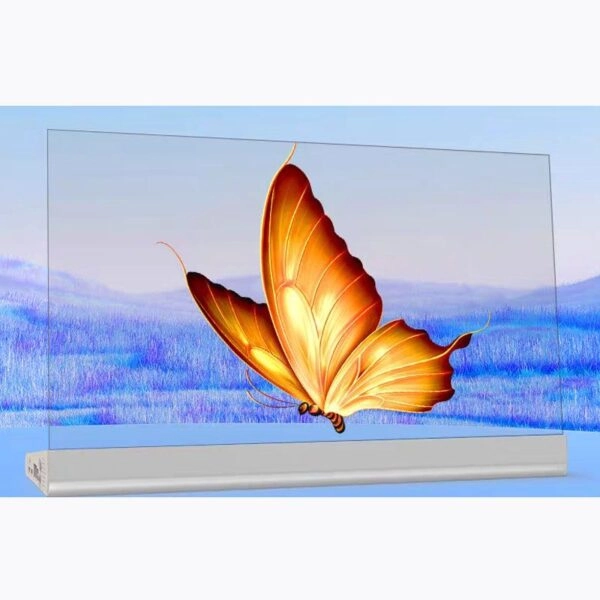
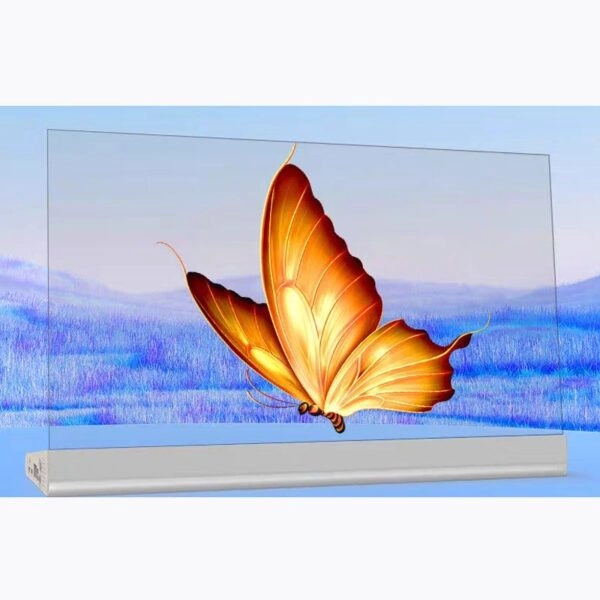
Transparent OLED displays bring a fresh step forward in screen tech. They create a clear surface that mixes digital stuff smoothly with the real world around it. These screens let moving images sit right on top of actual items or spaces behind them. This builds deep experiences without old-style backlights or thick frames. As self-lit panels, transparent OLEDs rely on organic materials that glow when power hits them. Pixels can shut off fully for real see-through spots in dark parts. At the same time, they show bright colors and sharp differences in lit-up areas.
This tech works best in places where people need to look straight through the screen. Good examples include store displays, show areas, and building setups. Higher pixel counts keep pictures sharp while still allowing decent see-through levels. Room light matters a lot too. Brighter areas make the clear effect stand out more. Many models cover over 100% NTSC color range. This means pictures look rich and glowing, even under strong lights.
How Transparent OLED Technology Works
Transparent OLED panels use RGB tiny dots mixed with open clear spots inside each pixel. When the dots light up to make colors, the screen shows images. When dots stay off (black), the stuff behind shows up clearly. This built-in light system skips the need for a backlight. As a result, the panels stay very thin. They allow edge-free looks perfect for glass-style mounts.
Transparency usually hits about 40% in products you can buy now. This number changes with resolution and how tightly pixels pack together. Full HD or 4K setups give good sharpness. They still keep enough clear view for real-world jobs. Outside light changes how well it works. Bright light comes through dark pixels easily. This makes the screen seem more see-through in sunny rooms or daytime. Lower light brings out the glowing side for strong visual punch.
Broad Color Gamut Enhances Visual Impact
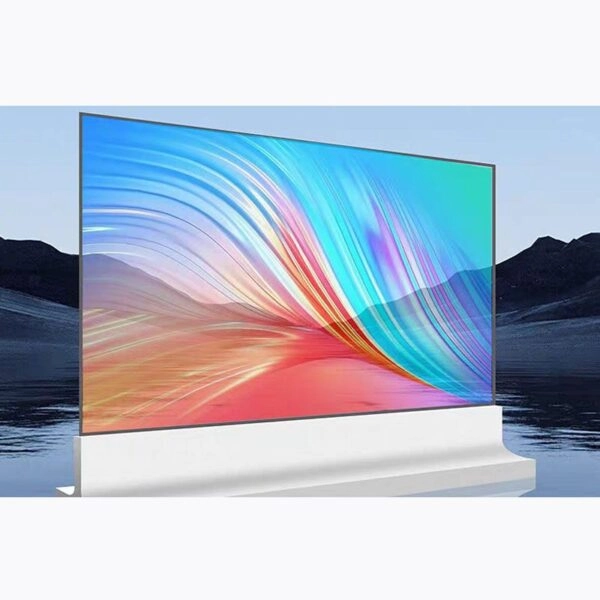
OLED tech gives amazing color results. It often beats 100% NTSC coverage. Regular LCD screens usually sit around 72%. This bigger range creates deeper shades, true dark areas, and pictures that feel real. People see these strong colors as brighter. This happens even at normal brightness levels of 150-500 cd/m² common in transparent types.
High contrast numbers, often from 120,000:1 to 150,000:1, make clear splits between images and what sits behind. This works especially well for putting graphics over real products or views. Small details and bright pops catch the eye without hiding the background.
Lifetime Considerations for Optimal Performance
How long the display lasts depends on daily use. Black areas use almost no power. They age very slowly. This helps stretch total panel life, often listed at 30,000 hours or longer. Blue dots wear out quicker because they need more energy. Smart content planning becomes important.
Suggestions include using changing pictures more than fixed ones. This lowers chances of burn-in or ghost images. Designs with lots of black space hold transparency better. They also cut down on wear. Staying away from long bright still images helps the panel last in busy public spots.
What Applications Benefit from Transparent OLED Displays
Transparent OLED tech creates many new chances in different fields. In stores, screens add sales messages or 3D-like product views right over real goods. This pulls in shoppers and keeps them around longer. For example, interactive jewelry or high-end item setups let people check digital facts while still seeing the actual pieces plainly.
Museums and history spots use these screens to show old stories or extra facts next to real objects. Viewers keep full sight of the originals. Train stations and airports put them on barriers or windows for live updates. Clear messages cut down on mix-ups without blocking the way.
Hotels add them to glass walls or separators for food lists, event info, or calm background looks. Car ideas use the tech for dashboard info or inside displays. They show key data without getting in the driver’s line of sight. Factory control areas gain from sharp, touch-ready panels. These keep full awareness thanks to the see-through design.
Interactive Features Expand Functionality
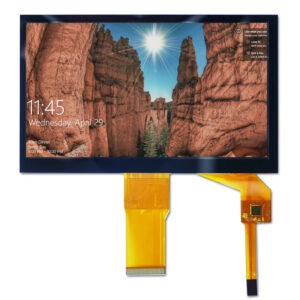
Many transparent OLED versions include touch layers. Capacitive touch lets people tap directly. This suits info booths, learning exhibits, or team work areas. Quick response times near 1ms give smooth action in moving setups like fake hologram shows or hand-wave controls. Touch plus high refresh rates build easy, fun user moments in busy public places.
Customization Options for Specific Requirements
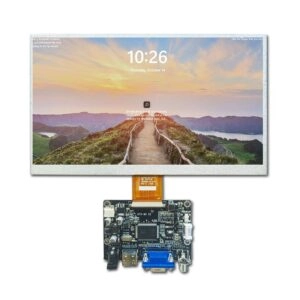
Manufacturers provide lots of changes to fit exact project wants. Choices cover no-frame builds for clean looks, added tough glass for strength, and tweaks to connections like HDMI, USB, or VGA. Cable sizes, plug kinds, board setups, and mount styles adjust to special spots.
Cover glass with optical bonding makes it tougher against weather and knocks. Brightness tweaks and heat handling (usually 0-45℃ working range) fit many locations. These range from inside shops to partly outside areas. Such flexible builds let the screens go into custom cases or building parts without losing quality.
Design Possibilities and Integration Strategies
Transparent OLED displays spark fresh ideas in building and room setups. They work as space splitters, shop windows, or table tops. They mix digital signs with real areas. Small gaps between panels allow big video walls. These create layered 3D looks when paired with things behind.
Viewing angles come close to 360 degrees. This supports looks from many sides. Note that the back side may show flipped images with lower glow and some glare. Good light planning boosts clearness and effect. Content built around lots of black and moving parts keeps the panel strong and nice to watch over time.
Professional setup needs teamwork with experts in content and site fitting. Focus on changing displays avoids still parts. This protects the panel for longer use.
Advantages Over Traditional Display Solutions
Self-lit pixels give endless contrast and real dark areas that help see-through quality. No backlight means thin, light builds great for glass-heavy spots. Wide viewing angles stay even from side views. This beats LCD screens that shift colors easily.
Power use drops with black-heavy content since off pixels take little energy. Strong glass covers handle crowded areas well. These points make transparent OLED a top pick for jobs that need nice looks and solid work.
Frequently Asked Questions
What transparency level do transparent OLED displays typically achieve?
Commercial models often feature around 40% transmittance. This allows clear visibility of backgrounds while displaying vibrant content.
How does ambient light affect transparent OLED performance?
Brighter environments increase perceived transparency. More light passes through inactive pixels. Controlled lighting highlights emissive qualities for immersive effects.
What content strategies optimize display lifetime?
Dynamic, black-heavy visuals minimize degradation. This helps especially on blue sub-pixels. It reduces risks of image retention compared to static images.
Are touch capabilities available on these displays?
Capacitive touch options support interactive applications. Fast response times enable smooth user engagement.
What sizes and resolutions are commonly offered?
Standard offerings range from 30 to 77 inches. Resolutions go up to 4K for detailed, high-clarity presentations.
Partner with a Reliable Manufacturer for Transparent OLED Solutions
Manufacturers and suppliers seeking high-quality transparent OLED displays benefit from partnering with an experienced display manufacturer like Miqidisplay. With over 20 years in OEM/ODM production, the company delivers premium transparent OLED panels featuring advanced specifications, customization options, and reliable performance tailored to B2B projects in retail, exhibitions, automotive, industrial, and hospitality sectors. Contact the team to discuss custom solutions, engineering support, and bulk supply requirements for innovative display integrations.