





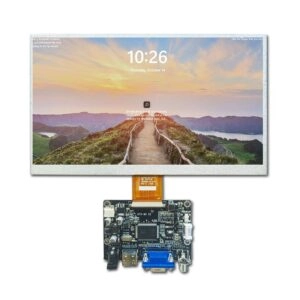
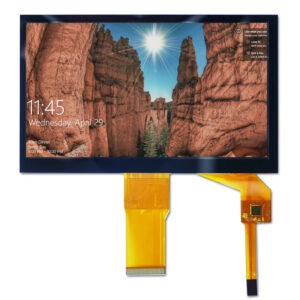




TFT LCD displays play a vital role in tough outdoor and industrial uses. You can find them in kiosks, factory machines, car dashboards, and boat systems. Bad weather like very hot or cold days, rain, snow, strong sunlight, and dust can hurt normal screens. But smart design fixes help modern TFT LCD displays stay clear and work for years even in hard places.
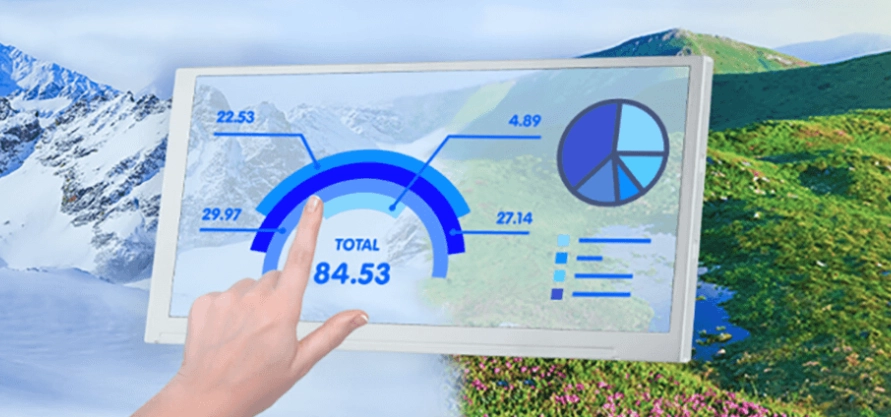
Companies keep finding new ways to fight these problems. They use special materials and clever features. Things like strong covers, bigger temperature support, built-in heaters, better cooling, and super bright backlights keep the screen working no matter the weather.
Impact-Resistant Safety Glass and Enclosures: Protecting LCD Screens
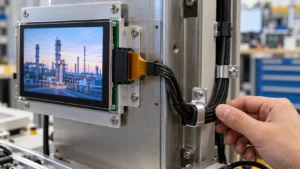
Outdoor and factory TFT LCD displays often meet flying objects, heavy rain, snow, or accidental bumps. Without good protection, the screen can crack or break easily.
Strong safety glass stops that. People use tempered glass or tough polycarbonate. These materials take hard hits and do not break into pieces. They keep the picture clear too.
Sealed enclosures add even more safety. They carry IP ratings that block water and dust. The displays can work fine when humidity goes from 5% to 98% RH. Strong cases let the screens run in wet, stormy, or dusty spots. That makes them perfect for street signs, buses, trains, and field tools.
Wide Temperature LCD Solutions: Adapting to Extreme Heat and Cold
Regular TFT LCD displays only work well between -10°C and 50°C. If it gets colder or hotter, the liquid crystals slow down or get damaged. Pictures become slow or look wrong.
Wide temperature TFT LCD screens fix this problem. Special liquid mixtures and strong parts let them run from -30°C all the way to 80°C or even 85°C. They never freeze in winter or burn in summer.
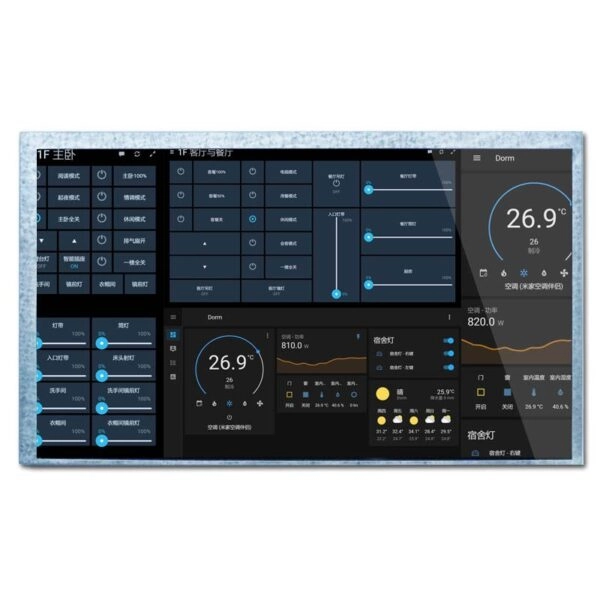
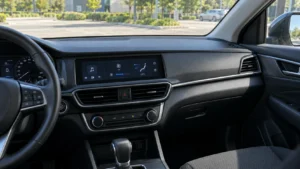
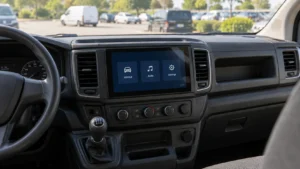
Cars parked under hot sun stay readable. Factory machines in hot buildings keep going. Many of these screens also come with high brightness, so they work in any light.
Glass Heater and PET Heater Solutions: Tackling Low-Temperature Environments
When the air drops below zero, liquid crystals get thick and move slowly. Images look blurry or leave ghosts.
Heaters solve that fast. Glass heaters sit right on the screen with clear electric layers. They warm the whole surface evenly and hardly change the picture.
PET heaters are thin and bendable plastic films. They fit curved screens or small spaces. Both kinds turn on by themselves when it gets cold. The display starts quickly and stays sharp even in ice-cold areas.
These heaters are very useful for screens in cold countries, fridge monitors, or army gear used in winter.
Strategies to Mitigate Internal and External Overheating
Heat comes from outside and inside the screen. Sunlight or hot air is outside heat. Backlights and chips make inside heat.
To fight outside heat, cases have air holes, metal heat sinks, or small fans. They push hot air away fast.
Inside heat needs smarter fixes. New LED backlights use less power, so they stay cooler. Smart driver chips control electricity better. Special heat-moving materials pull warmth away from important parts.
All these tricks together make the screen last longer. Colors stay true, and backlights do not die early. Many industrial TFT LCD displays use them to run 24 hours a day in hot places.
Sunlight Readable Solutions: Enhancing Visibility in Bright Environments
Direct sun makes normal screens look pale and hard to read. This is bad for street boards, car screens, or handheld devices.
Sunlight readable TFT LCD displays fight back with very bright backlights. They reach 800 to 1200 nits or higher. Bright light beats the sun and keeps colors strong.
Extra help comes from anti-glare layers, optical bonding that removes inside reflections, and sometimes transreflective modes that use sunlight to help light the screen. Special polarizers and AR films raise contrast even more.
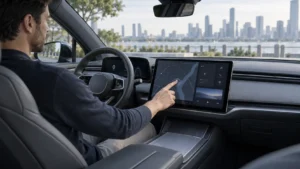
With these features, people can read the screen easily on sunny days. That is important for car navigation or public information boards.
Conclusion
New ideas in TFT LCD technology have made screens tough enough for any weather. Strong glass, wide temperature range, smart heaters, good cooling, and bright backlights work together. They keep the picture perfect in rain, snow, heat, or cold.
These strong displays now go into factories, cars, outdoor ads, and many other places. They save time and money because they almost never fail.
Frequently Asked Questions (FAQ)
What temperature range do wide temperature TFT LCD displays typically support?
Wide temperature TFT LCD displays commonly operate from -30°C to 80°C or 85°C. That is much better than normal screens that only handle -10°C to 50°C.
How do heaters help TFT LCD displays in cold weather?
Heaters, such as glass or PET types, warm the liquid crystals. They stop the liquid from getting thick. This gives fast response and clear pictures even when it is freezing.
What makes a TFT LCD display sunlight readable?
High brightness levels (800-1200 nits), anti-reflective coatings, and optical bonding let people see clearly under strong sunlight.
Why are protective enclosures important for outdoor TFT LCD displays?
Enclosures with impact-resistant glass and high IP ratings block damage from hits, water, and dust. The screen keeps working in bad weather.
Can TFT LCD displays handle both extreme cold and heat?
Advanced models use special liquid, heaters for cold starts, and cooling parts for hot days. They work reliably from very cold to very hot.
Partner with a Leading TFT LCD Display Manufacturer and Supplier for Harsh Environment Solutions
Companies that need tough wide temperature and rugged TFT LCD displays should work with a trusted factory. Miqidisplay makes high-quality TFT LCD modules built for extreme weather. Their screens run from -30°C to 85°C and reach up to 1200 nits brightness.
With more than 20 years of OEM/ODM experience, Miqidisplay gives custom designs, fast shipping (over 90% same-day), and certificates like ISO-9001 and TS-16949. They cover industrial, automotive, and outdoor needs.
Reach out today for quotes, samples, or special designs. Email mary@miqidisplay.com , call +86 138 2318 1658, or go to Miqidisplay.com/contact-us.html to talk about your project.