


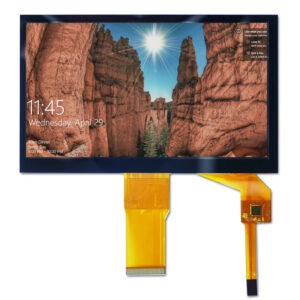

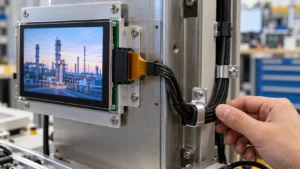




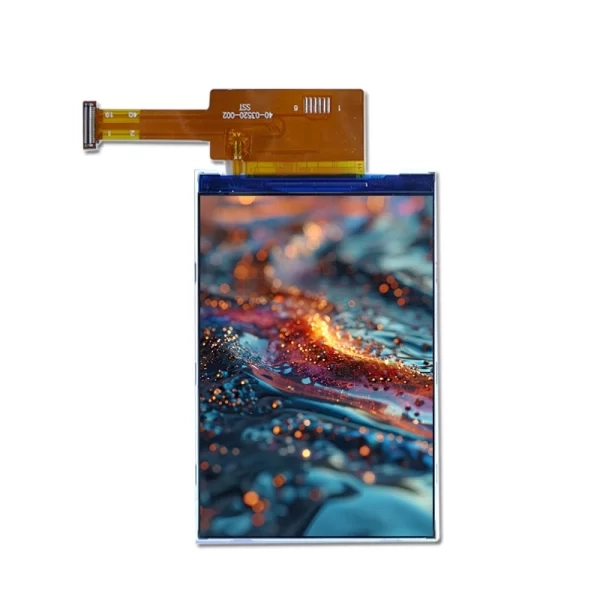
Display interfaces usually get less attention than things like screen resolution or brightness levels. Yet, these interfaces play a key role in the whole system design. They control how fast data moves, how simple connections are, and how easy integration becomes. Picking the wrong interface might cause performance issues, higher power use, or longer development times. The best choice improves data flow, allows faster refresh rates, and fits well with hardware limits.
Engineers building embedded systems, industrial HMIs, medical devices, or consumer electronics get big benefits from knowing interface options. A careful review of available types helps ensure better matches with processors, fewer pins when required, and stronger long-term reliability.
What is a Display Interface?
A display interface acts as the link between a host processor or controller and the TFT display module. It manages the sending of pixel data, color details, timing signals, and control commands. Various interfaces use different protocols, signal kinds, and pin setups to handle this data transfer. In TFT displays, the interface straight affects refresh rates, color depth support, and power savings. It also sets wiring difficulty, EMI risks, and growth options for bigger resolutions. Newer interfaces focus on serial differential signaling for less noise and more bandwidth. Older options prefer ease in simple, low-need cases.
How Interfaces Impact Performance, Integration & Cost
Interface choice deeply influences main project measures. High-bandwidth types allow smooth video playback, high resolutions, and quick response times needed for changing content. These usually need careful PCB routing and matching controllers. This raises design difficulty and part costs.
Easier interfaces cut pin counts and make driver coding simpler. They lower integration work and allow use with basic microcontrollers. They fit static or partly static displays. But they can restrict frame rates or resolution. Power use changes a lot. Serial interfaces often use less in heavy-data cases because of effective signaling.
Cost factors cover not just the display module. They also include supporting ICs, cables, and development hours. Processor matching stays a common limit, since many SoCs naturally support certain interfaces. Keeping these in balance avoids over-design or performance drops.
Common Types of TFT Interfaces
TFT displays handle various interfaces suited to application needs. Choices go from low-pin serial kinds for small designs to fast parallel or differential ones for tough graphics.
Parallel MCU Interface
How It Works
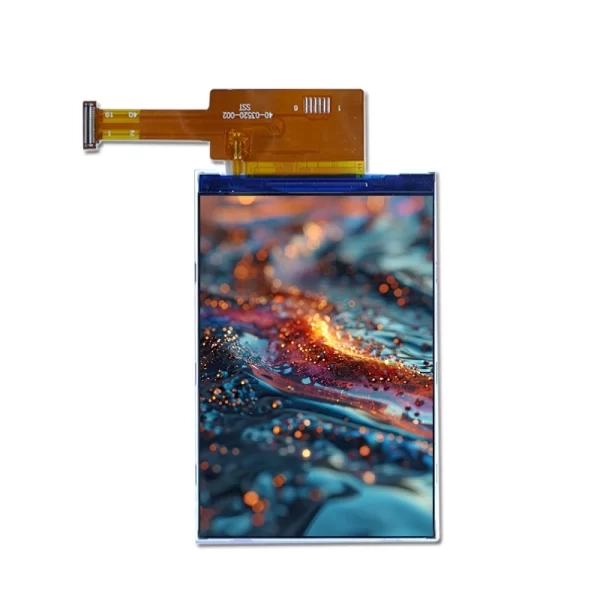
Parallel MCU interfaces send data over 8-bit, 16-bit, or wider buses along with control lines like read/write, chip select, and register select. Data bits move at the same time. This makes synchronization easy but needs more connections.
Advantages of Parallel Interfaces
- Easy setup with many microcontrollers
- Little need for tough signal integrity steps
- Good for mid-range resolutions and average update rates
When to Choose Parallel
This interface shines in control panels, instrumentation, and battery-powered devices where display content changes rarely.
HDMI Interface
How It Works
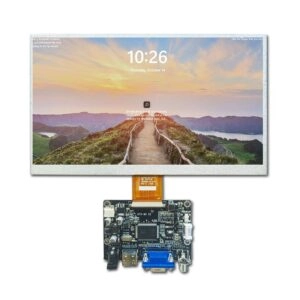
HDMI sends digital video, audio, and extra data over one standard cable using TMDS differential signaling. Embedded systems often add HDMI converter boards for direct matching.
Advantages of HDMI Interface
- Handles high-resolution video with built-in audio
- Uses common connectors and cables
- Makes plug-and-play setup easy with SBCs and media sources
When to Choose HDMI
Applications with multimedia content, digital signage, or matching with platforms like Raspberry Pi gain a lot from HDMI.
MIPI DSI Interface
How It Works
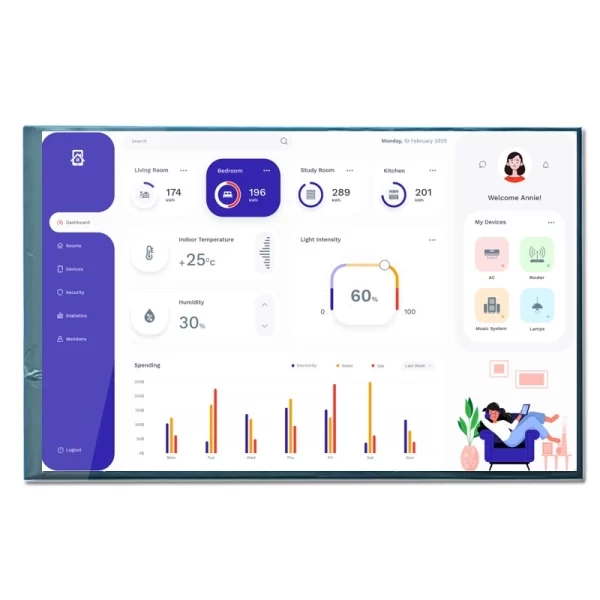
MIPI DSI uses high-speed serial lanes with differential pairs to send packed pixel data and commands. It allows multiple lanes for adjustable bandwidth and has low-power modes.
Advantages of MIPI DSI Interfaces
- Reaches high resolutions and refresh rates with fewer pins
- Improves PCB layout and cuts EMI
- Reduces power use in mobile and portable cases
When to Choose MIPI DSI
Small, high-performance designs in wearables, tablets, and advanced handhelds prefer MIPI DSI for savings and image quality.
SPI Interfaces
How It Works
SPI uses a serial clock, data lines, chip select, and data/command select for master-slave talks. Data moves bit by bit. This limits speed but reduces connections.
Advantages of SPI Interfaces
- Needs only four or five pins
- Easy protocol setup
- Great for tight layouts and low-power work
When to Choose SPI
Static graphics, sensors, or small HMIs in space-tight or cost-low products fit SPI well.
RGB Interfaces
How It Works
RGB interfaces send raw pixel data through parallel lines for red, green, and blue channels. They sync with horizontal/vertical sync, pixel clock, and enable signals. This dot-clock way streams ongoing data.
Advantages of RGB Interfaces
- Allows real-time, high-frame-rate changes
- Handles full-color depth without packing
- Direct matching with many GPU outputs
When to Choose RGB
Real-time viewing in industrial monitors, gaming peripherals, or video processing systems needs RGB speed.
LVDS Interfaces
How It Works
LVDS uses low-voltage differential pairs to send serialized data at high speeds. It cuts noise via common-mode rejection. Common setups include 18-bit or 24-bit color over multiple pairs.
Advantages of LVDS Interfaces
- Keeps signal integrity over longer distances
- Handles high data rates with low EMI
- Proven strength in noisy settings
When to Choose LVDS
Medium to large displays in automotive dashboards, medical imaging, or factory automation need LVDS steadiness.
Choosing the Right Interface for Your Project
Interface choices depend on resolution needs, refresh demands, power limits, board space, and processor skills. High-resolution changing content prefers MIPI DSI, LVDS, or HDMI. Low-power static interfaces tend toward SPI or parallel MCU. RGB offers a good middle for quick yet simple graphics. Other factors include cable length limits, touch addition, and environment issues like extreme temperatures or vibration. Testing several options often shows hidden limits. Full datasheets and reference designs speed up review.
Frequently Asked Questions (FAQ)
What is the most common TFT display interface for industrial applications?
RGB and LVDS lead industrial settings due to reliable high-speed data transfer and noise immunity.
Which interface consumes the least power?
MIPI DSI and SPI usually provide the best power efficiency, especially in low-data-rate or burst-mode operations.
Can interfaces be adapted or converted?
Yes, bridge ICs or converter boards allow adaptation, such as RGB-to-LVDS or MCU-to-HDMI, though this adds cost and complexity.
What pin count differences exist between interfaces?
SPI requires as few as 4 pins, parallel MCU up to 40+, while differential types like MIPI or LVDS use 10-20 with fewer traces.
Are all TFT displays available with every interface?
No, interface availability depends on module design; custom solutions often allow specific interface integration.
Partner with a Reliable TFT Display Manufacturer and Supplier for Seamless Integration
Miqidisplay stands as an experienced TFT LCD manufacturer, factory, and global supplier with over 20 years in OEM/ODM services. Facilities in Shenzhen and Hangzhou, certified to ISO-9001, ISO-14001, TS-16949, CE, and RoHS standards, ensure consistent quality. The extensive portfolio includes IPS TFT displays in various sizes, supporting interfaces like RGB/TTL, LVDS, MIPI DSI, HDMI, and SPI—many with capacitive touch, high brightness up to 1000 nits, and wide operating temperatures. As a direct manufacturer and supplier, Miqidisplay provides custom R&D, one-stop solutions, rapid prototyping, and 24/7 support for B2B projects worldwide. Businesses seeking tailored TFT modules benefit from expert guidance on interface selection and optimization. Contact Miqidisplay today for quotes, samples, or technical consultations. Email mary@miqidisplay.com or reach out via WhatsApp at +86 188 7965 2960 to discuss project requirements.