









Introduction to AMOLED Touchscreen Displays
What Makes AMOLED Different from Traditional LCD Technology?
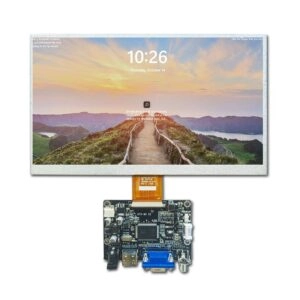
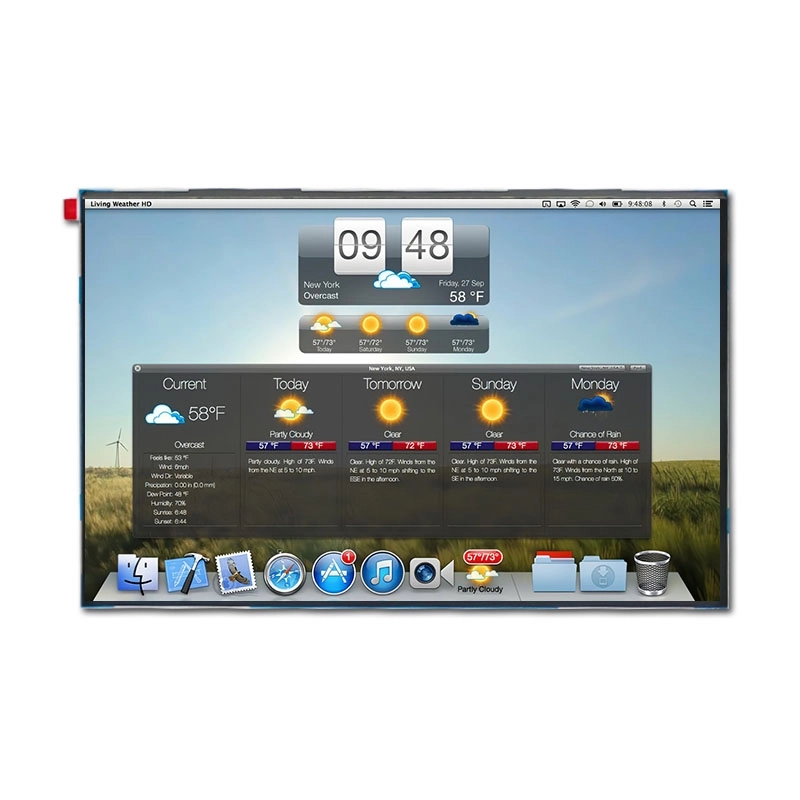
AMOLED, or Active Matrix Organic Light-Emitting Diode, stands as a top choice in display tech, especially when paired with capacitive touchscreen features. This progress has changed user controls in gadgets from phones to factory panels. It gives unmatched picture quality and exact touch response. Unlike usual LCD screens that need a steady backlight, AMOLED panels use natural compounds to create light at each pixel. This allows real black shades and better contrast.
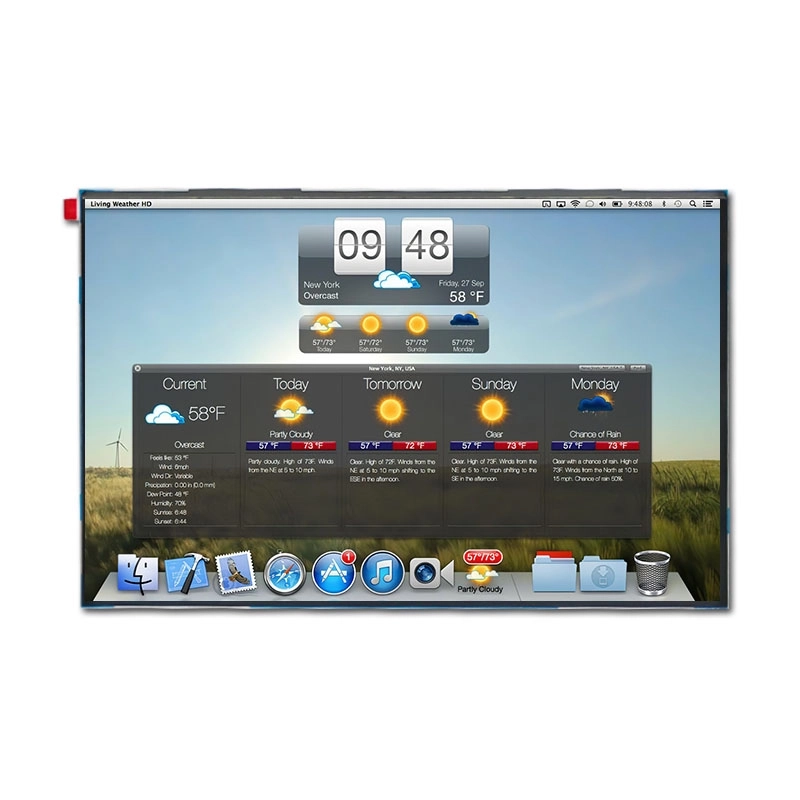
Evolution and Applications of AMOLED Touchscreens in Modern Devices
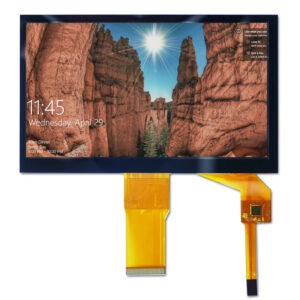
The touchscreen part, usually capacitive, senses multi-touch actions through shifts in electrical charge. It offers quick and natural control. The growth of AMOLED touchscreen displays comes from the need for small, strong screens in built-in systems, health tools, and daily electronics. Makers have improved this tech to handle resolutions up to 2560×1600. Interfaces like MIPI and eDP make sure of easy fit into many uses.
Key Technical Specifications Driving AMOLED Adoption
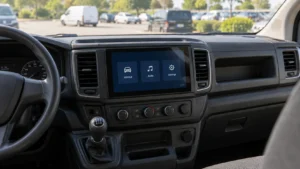
For example, displays from 0.95 inches to 14 inches now use AMOLED for clearer pictures and quicker reply times. This makes them good for car dashboards and smart home controls. This self-glowing nature not only raises image level but also allows slimmer shapes. They weigh less than common LCD sets while keeping strength across temperatures from -30°C to 85°C. As fields seek deep experiences, AMOLED touchscreens link beauty and use.
Advantages of AMOLED Touchscreen Displays
Superior Color Accuracy and Infinite Contrast Ratio Explained
AMOLED touchscreen displays shine in giving great visual and touch results. They set fresh marks for sharpness and speed. The self-lighting pixels create endless contrast ratios, often hitting 100,000:1. This leads to darker blacks and more lively bright parts than LCD’s narrow range. This shows in uses like video watch monitors, where faint shadows show key facts without the fade common in lit screens.
Energy Efficiency Benefits for Battery-Powered Devices
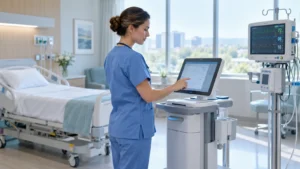
Colors appear with real-life truth, backed by broad view angles up to 178 degrees. This keeps steady quality from any side—perfect for team-based factory settings. Energy saving stands as a main plus. Power use drops a lot during dark views since off pixels give no light. In battery-run gadgets, this means longer work times. It matters for mobile health tools or field meters.
Enhanced Touch Responsiveness and Low-Latency Performance
For instance, a 6.01-inch AMOLED touchscreen module can reach up to 20% less power use than similar LCDs under mixed content tests. Touch quickness gains from built-in capacitive layers. It allows gesture spotting with delays under 10ms. This improves user tasks in touch-focused setups like car entertainment systems. Beyond pictures, the bend of AMOLED permits new shapes, including bent or soft panels that fit comfy designs.
High Refresh Rates and Smooth Motion Handling
Brightness up to 600 nits keeps reading easy in different lights. Features like always-on displays hold sight without using much power. In factory settings, these pluses cut eye tiredness during long use. They support high-detail content, such as 1080×2340 on a 6.39-inch panel. This boosts work in control rooms or smart plant areas.
Disadvantages of AMOLED Touchscreen Displays
Understanding Screen Burn-In Risks and Prevention Methods
While AMOLED touchscreen displays bring great gains, some limits need close look. Burn-in stays a chief worry. Long static images—like set icons on factory GUIs—can leave weak marks due to uneven natural material wear. Current fix ways, like pixel moving and screen savers, lessen this. But it lingers in high-work settings. It may cut life to 20,000-30,000 hours versus LCD’s 50,000+.
Higher Manufacturing Costs and Budget Implications
Making complexity pushes higher prices. AMOLED panels ask for extras of 30-50% over LCD matches. This hits funds for big setups like digital sign networks. This comes from detailed vapor lay processes needed for natural layers. Though, scale gains are slowly closing the space.
Outdoor Visibility Challenges in Direct Sunlight
Touch joining, while advanced, can bring shine problems in on-cell types. It slightly hurts anti-glare in bright spots. Sight issues come in straight sun. Peak brightness, even at 500 nits, may lack against top LCDs over 1000 nits. This impacts outdoor uses, such as mobile safety gadgets. It needs extra layers that add width.
Long-Term Color Degradation and Material Lifespan
Also, natural compounds’ feel to moisture and heat extremes—despite wide work ranges—can cause color changes over time, mainly in uncontrolled spots. These points stress the need for even check. It makes sure AMOLED’s strengths match use habits to skip surprise fix costs.
Key Considerations for Upgrading to AMOLED
Visual Quality vs. Practical Use Cases: When AMOLED Shines
Switching to AMOLED touchscreen displays means checking many sides to fit project aims. AMOLED’s high contrast and color truth raise user interest. It works best for picture-heavy jobs like health scans or game controls. Resolutions like 1920×1200 on 14-inch panels give sharp facts. They beat LCD in dim light cases.
Power Consumption Analysis for Extended Device Runtime
Dark-mode tuned power cuts fit always-on systems. They lengthen run in built-in IoT gadgets. This speed backs green plans. It lowers work costs in power-aware fields. The slimmer builds—under 2mm for some modules—allow neater cases. This boosts carry for hand-held meters.
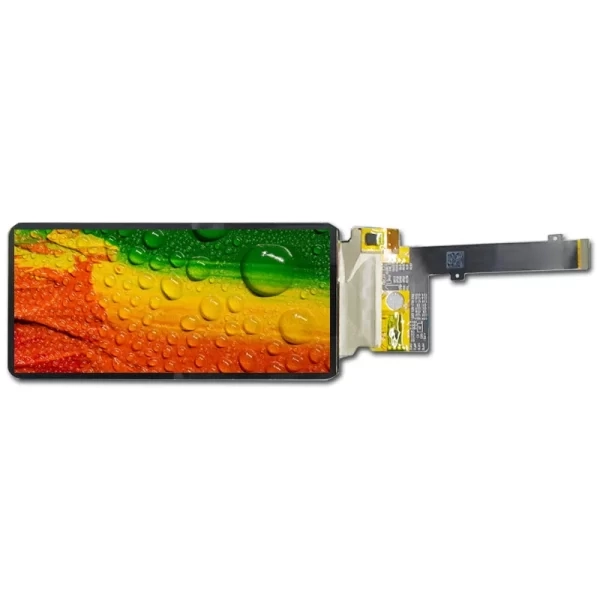
Design Flexibility: Curved, Foldable, and Compact Form Factors
Soft bases open paths to foldable or wearable fits. They grow use options. Start costs are higher, but long gain comes from less power needs and top user joy. Strength checks should add burn-in tests. Warranties cover up to three years for strong models.
Cost-Benefit Analysis and Durability Testing Guidelines
Boosted with anti-shine layers, AMOLED works well in shaded spots. But it may need LCD mixes for full-sun contact. Test runs in goal settings are smart. These points lead wise choices. They balance new ideas with real use for best system results.
Conclusion
AMOLED touchscreen displays show a big jump in tech. They blend stunning pictures, smart running, and easy touch. Their self-glow pixels and capacitive touch layers redefine options in factory and daily areas. This ranges from bright dashboards to quick control panels. Still, issues like burn-in and cost highlight the value of fit choice. In the end, the switch proves good for uses that focus on deep feel and speed. It pushes better results across many fields.
Frequently Asked Questions (FAQ)
What are the primary benefits of AMOLED touchscreen displays compared to LCDs?
AMOLED touchscreen displays beat LCDs in visual depth with true blacks and endless contrast. They also save energy from pixel-level control. Capacitive touch joining raises quickness. Thinner builds support small designs, perfect for factory and mobile uses.
How does the touchscreen functionality of AMOLED displays compare to LCDs?
AMOLED’s on-cell capacitive touch joins layers for better feel and less parallax. It gives smoother multi-touch moves than LCD’s added panels. Interfaces like MIPI make sure of low-delay inputs. This raises exactness in active uses.
What are the potential drawbacks of upgrading to an AMOLED touchscreen display?
Weakness to burn-in from static content, higher making costs, and fair sun reading pose issues. Natural wear may shorten life in tough conditions. It needs guard features.
How does AMOLED technology impact device design and portability?
Dropping backlights allows ultra-thin, light modules. It fosters bent and curved forms not possible with LCDs. This small size helps carry gadgets, from wearables to field tools, without losing results.
Are AMOLED touchscreen displays suitable for outdoor use?
They give strong view angles but fall in peak brightness against LCDs in straight sun. Upgrades like high-nits models and layers better fit for shaded outdoor jobs. Though, full contact favors other choices.
Elevate Your Projects with Miqidisplay ‘s AMOLED Solutions
As a leading manufacturer, supplier, and factory specializing in advanced display technologies, Miqidisplay delivers over 20 years of OEM/ODM expertise in crafting high-quality AMOLED touchscreen modules.
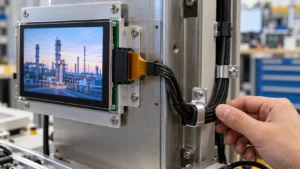
From 0.95-inch compact panels to 14-inch industrial-grade displays with capacitive touch and resolutions up to 2560×1600, our solutions are engineered for reliability in sectors like automotive, medical, and smart homes. Certified under ISO-9001, TS-16949, and RoHS, we ensure 90% on-time delivery with customized integrations via MIPI, eDP, and more.
Businesses seeking premium AMOLED upgrades are invited to connect with our experts for tailored consultations—email mary@miqidisplay.com or call +86 188 7965 2960 today to request samples and drive innovation in your next project.