




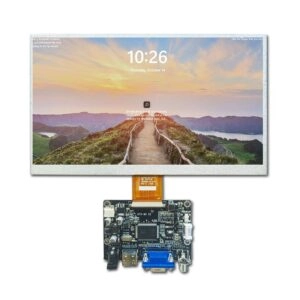
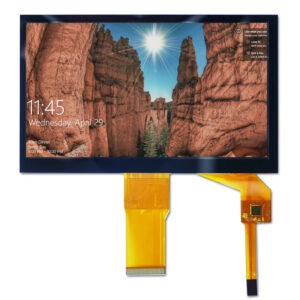



As fresh tech pops up in the display world, LCD TFT stays a key player for engineers in many fields. These fields include factory automation, health checks, and everyday gadgets. This flexible screen type works well in different settings. It gives steady results and strong showings that few other choices can beat. What makes it so popular? In what uses does it stand out most?
This piece looks at the basics of LCD TFT tech. It covers main uses, good points, weak spots, new ideas, and matches with other screens. Engineers and builders will pick up tips to guide project picks. They can make sure to choose the best for work and long life.
How does LCD display work? Technology basics
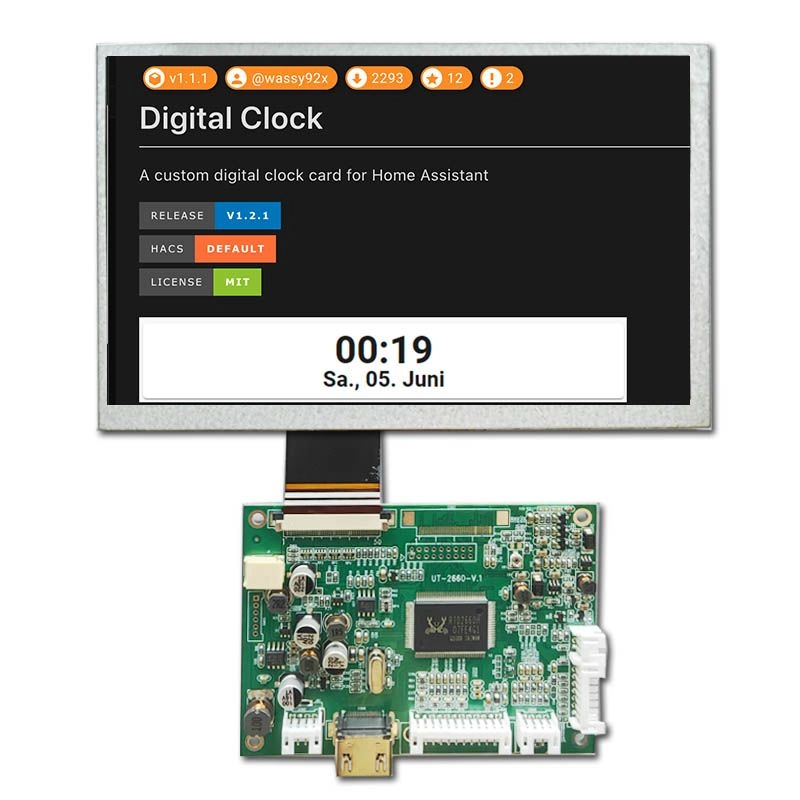
Liquid crystal displays, often called LCDs, have changed how we see digital images. They use clever liquid crystals. These materials act somewhere between fluids and hard crystals. People place the crystals between two filters that control light direction. They also add electrode layers. When power flows through, it shifts the crystal setup. This change controls how much light goes through the panel. Such exact control builds the pictures seen on the screen.
RGB color filters mix red, green, and blue parts at every pixel. This setup allows full-color pictures. Thin-film transistor (TFT) tech marks top LCDs. It lets active-matrix control for each pixel. The result is clear, power-saving images. Though new types like OLED and MicroLED bring special gains, LCD TFT keeps leading. It offers proven growth, toughness, and low cost in buyer and work sectors. TFT setups speed up response and boost contrast. So, LCDs fit moving content in control boards and sharp screens.
Fun fact: LCD tech started in the 1960s. It hit stores in the 1970s for basic calculator screens. The 1990s brought active-matrix TFT. This step allowed color screens for laptops and desktops. Now, bendy making and price drops put LCD TFT in all from smart tools to tough factory panels. They handle up to 4K and more.
Typical applications of LCD displays
LCD TFT screens run a wide range of tools. People value them for fitting many spots. Their slim build, low power use, and clear outdoor view make them vital in hard places.
Consumer devices
In buyer gadgets, LCD TFT panels lead because of light weight and power save. Phones, tablets, and laptops use high-sharp types for deep viewing. Big TVs and desk screens gain from good prices and 4K skills. They give bright images for fun and work.
Industrial and commercial devices
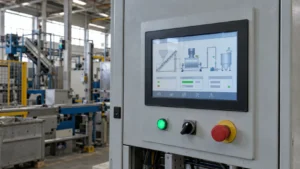
Past personal use, LCD TFT does well in rough factory cases. Shake-proof models last in machines, sale points, and auto panels. Far-check systems count on their steady nature and custom options. These include touch add-ons and wide heat ranges. Low cost and growth help in big sale setups like info booths and sign boards.
Automotive industry
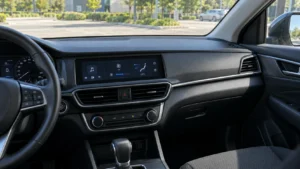
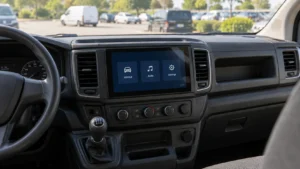
Car uses need strength against bumps, shakes, and heat shifts. LCD TFT shines here. Fun systems, map units, and dash boards add sun-clear panels with auto dim. Back camera screens give sharp sight. This boosts safety in mixed light.
Medical industry
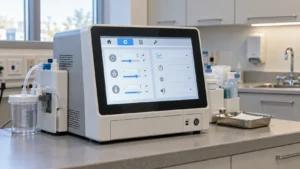
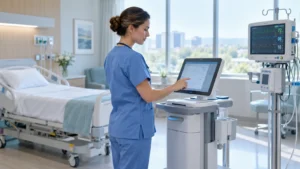
Exact work rules health spots. Medical-grade LCD TFT panels meet strict needs. Check images and surgery screens hit high light and contrast for true views in bright rooms. Patient watch systems show life signs with great clearness. They back sharp levels to cut mistakes in key care.
Public space industry
Public sets pick LCD TFT for growth and lasting power. Travel spots use them for live info boards. Ads and path finds gain from tough covers and high outdoor light. Big sizes allow deep public links without losing steady work.
Why choose LCD technology? Advantages of LCD displays
LCD TFT’s lasting draw comes from main strengths. These match engineer needs in show, save, and long run.
Image quality
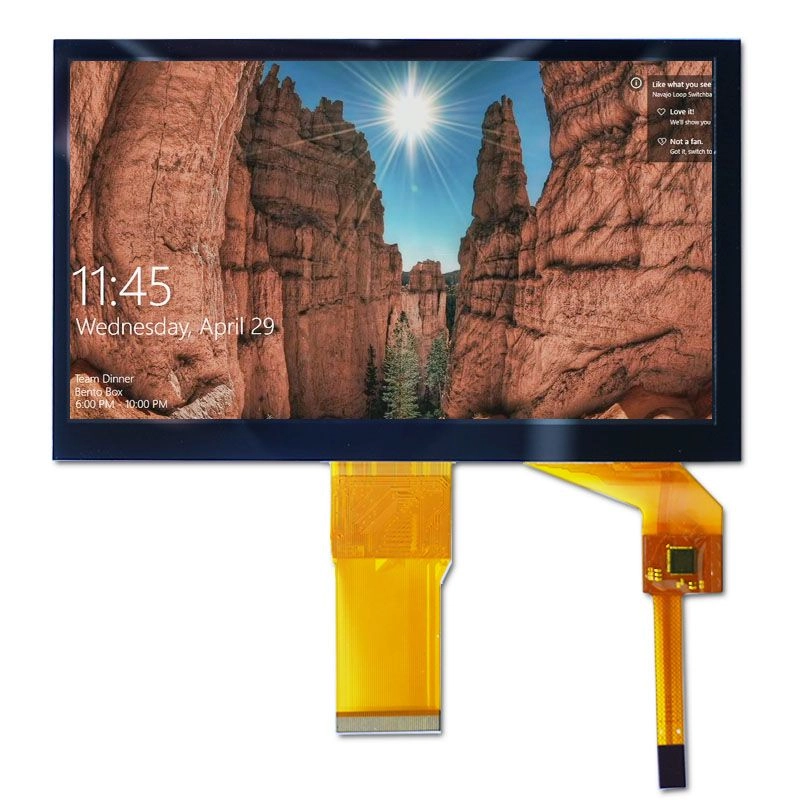
These screens give top sharp, contrast levels, and color truth. They improved over thirty years. New types back 4K and more. Local dim adds deep blacks and wide range. Cover goes over 100% of sRGB and Adobe RGB rules. View angles reach 89 degrees all ways. They beat old CRT and plasma tech.
Energy efficiency
They control an LED backlight instead of making light per pixel. So, LCD TFT saves power. Dim or off in dark scenes cuts use by over 90% from always on. This fits battery tools or power-smart factory systems.
Durability and reliability
Work-grade models run from -30°C to 85°C. Some go to -40°C to 110°C. Safe covers block bumps, shakes, and dirt. They allow 24/7 use. Backlight life hits 50,000–100,000 hours. This tops buyer 20,000-hour marks.
Challenges and limitations of LCD displays
Even with strengths, LCD TFT brings issues. People must think hard in plan steps.
Viewing angles
Old twisted nematic (TN) panels change colors and contrast off center. This limits group views. In-plane switching (IPS) types fix this. They give steady 89-degree angles all ways for wide see needs.
Electromagnetic compatibility (EMC)
Close gadgets can cause noise and hurt work. Good models follow EMI rules. They fit smooth in touchy spots like control rooms.
Reaction to temperature changes
Sale panels fit 0°C–50°C. But work extremes test them. Tough types reach -30°C–85°C. They keep working in plants or outside.
Size and flexibility limitations
Glass bases limit top panel sizes. Stiff build lags OLED or e-paper in bend designs. These facts guide LCD TFT to flat, set shapes.
How is LCD technology developing? Innovations and future trends
LCD TFT grows fast. It adds new steps to match rising foes.
Higher resolutions
Paths push past 4K to 8K and 16K. They allow super-fine health images and deep sims.
Wider viewing angles
IPS and multi-vertical alignment (MVA) tech widen angles. They top TN for team boards.
Wider color range
Panels now hit 90–95% NTSC gamut. They bring rich colors for design and shows.
Integration with built-in systems
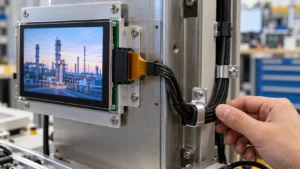
All-in-one units add microcontrollers like STM32. They ease links and sensors for small IoT tools.
Full Array Local Dimming (FALD)
Area backlight control lifts contrast. It cuts power and extends life in high need cases.
LCD, LED, OLED – which one should you choose? Comparison of display technologies
Pick depends on use facts. LED types stand out in bright and quick for stage lights. But they use more power and hard to grow. MicroLED vows exact and save. It waits for cheap big make. OLED’s own-light pixels give endless contrast and real blacks. They fit top views. Yet burn-in and lasting limit wide use. LCD TFT mixes flex, bright, and tough. It leads cost-low, steady spots in fields.
Which LCD display should you choose for your project?
Pick rules stress life support and change.
Long-term availability
Pick sellers that promise 10–15-year supply for work long run.
Integration and documentation quality
Choose panels with EMI-good docs, dev kits, and code to speed add.
Adapting to individual needs
Basic adds like glove touch, IP covers, and high light fit most. Custom fixes meet odd wants.
Easy prototyping
Small group samples and test boards cut dev time.
Personalization option
Early add of logos on cover glass or sun-clear tweaks please end users.
Expert tips: 4 mistakes to avoid
Common errors slow projects and raise costs:
- Missing setting facts, like sun light causing fade.
- Skipping EMC/EMI checks, risking noise in linked systems.
- Using buyer controllers in work spots, hurting tough.
- Picking no-doc panels, extending fix and market time. (Word count: 1,248)
FAQ
What is the operating temperature range for industrial LCD TFT displays? Industrial-grade LCD TFT displays typically operate from -30°C to 85°C. Some models extend to -40°C to 110°C. This ensures steady work in tough spots like plants or cars.
How do IPS panels improve upon TN technology in LCD TFT?
IPS panels give wider viewing angles up to 89 degrees all ways. They also offer better color truth than TN. This makes them great for group or team uses.
What resolutions are available in modern LCD TFT displays?
Resolutions go from 480×272 for small panels to 4K (3840×2160) and more for big models. They back fine images in health and car uses.
Can LCD TFT displays integrate touch functionality?
Yes, choices include capacitive, resistive, and PCAP touch layers. They work with gloves and wet for work HMIs and public booths.
What certifications should LCD TFT suppliers provide?
Look for ISO-9001, TS-16949, CE, and RoHS compliance. These ensure quality, green rules, and electromagnetic compatibility.
Partner with Miqidisplay – Your Trusted TFT LCD Factory for Custom Solutions
As a leading TFT LCD manufacturer, supplier, and factory with over 20 years of OEM/ODM expertise, Miqidisplay brings top, custom screens made for work, health, car, and sale projects. It serves 200+ countries with 90% on-time delivery and certifications like ISO-9001 and TS-16949. Miqidisplay gives high-brightness IPS panels, wide-temperature modules, and touch links to boost make speed. Contact the sales team at mary@miqidisplay.com or via WhatsApp at +86 188 7965 2960 for a custom quote and engineer talk in 48 hours. Lift display add—start inquiry now at https://miqidisplay.com/contact-us.html.