





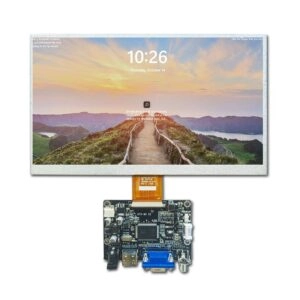
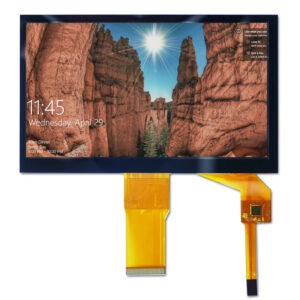


In 2026, industrial operations face growing demands to keep steady output. This happens amid rising automation, edge computing, and real-time data needs. Long-life industrial PCs, built for steady service over five years, act as key parts for smooth work in manufacturing, energy, transportation, and automation fields. These setups provide strong steadiness, resistance to tough settings, and ongoing supply. They directly fight the large expenses of stoppages and old parts.
Unlike regular consumer hardware with brief lifespans and low limits, purpose-built industrial PCs fit for round-the-clock use in rough spots. They also cut total ownership costs by lowering upkeep and redesign work.
The Rising Cost of Downtime and Obsolescence in Modern Operations
Sudden stoppages keep causing heavy money losses for industrial businesses. World figures show that unplanned operational technology (OT) downtime costs top companies trillions each year. Per-hour losses often hit hundreds of thousands of dollars. The amount depends on the field.
Quantifying the Financial Impact of Interruptions
Factory sites face average hourly downtime costs near $260,000. Fortune Global 500 companies deal with yearly per-site hits over $129 million. These numbers include missed output, supply chain breaks, and safety dangers. Long-life systems greatly cut risks. They do this by allowing steady, long-running work.
The Lifecycle Mismatch Challenge
Industrial machines often run for 10–15 years. But standard computing setups end support much faster. This gap leads to regular redesigns, checks, and parts handling. Long-lifecycle industrial PCs offer steady supply promises of 5–10+ years. They match machine spans better. And they make long-range planning easier.
Supply Chain and Geopolitical Considerations in 2026
Current supply issues and parts shortages highlight the worth of dedicated manufacturers. They provide long availability. Groups build strength by picking setups with set changes and ongoing help.
Core Design Features Enabling Long-Term Reliability
Long-life industrial PCs use special building methods for better lasting and steady output.
Extended Product Lifecycle and Supply Continuity
Manufacturers focus on setups with sure availability for 5–10 years or longer. This steadiness cuts old-part risks. It aids even software checks. And it keeps spare parts open during use time. Set change handling also lowers design work for OEMs and system integrators.
Wide Temperature Operation Capabilities
Setups built for ranges like -20°C to 70°C, or wider such as -40°C to 85°C in tough types, keep full work in extreme spots. Fanless heat plans, industrial-grade parts, and good heat spread stop slowdown or breaks in hot factory areas or cold hold sites.
Vibration, Shock, and Mechanical Resilience
Strong cases, shock-cut mounts, and parts tested to rules like MIL-STD-810G give steady work amid steady shakes from machines or rides. These traits matter a lot in car building, mining, sea, and transport uses.
High MTBF and Component-Level Reliability
High Mean Time Between Failures (MTBF) scores come from top capacitors, resistors, and cover coats. They guard against dust, wet, and dirt. Industrial-grade parts often last up to 10 times longer than regular ones. They support real 24/7 runs with fewer breaks.
Additional Protective Engineering
IP-rated seals, power surge guards, and full I/O choices, including legacy COM ports, GPIO, and many LAN links, boost fitting. They also strengthen overall setup life.
Industry Applications Driving Demand for Durable Computing

Various fields use long-life setups to keep work flow.
Manufacturing and Smart Factory Integration
In output lines, these PCs run HMI screens, machine control, and forecast upkeep checks. Long steadiness backs non-stop automation. It also aids AI-based edge work key to Industry 4.0 plans.
Energy, Utilities, and Remote Monitoring
Rough outside or closed sites gain from wide-heat limits and strong builds. There, upkeep reach is small and expensive. Long run life cuts on-site fixes in energy setups.
Transportation and Mobile Environments
Shake-proof designs fit vehicle-set or control hub uses. They keep output under steady move and setting stress.
Regulated Sectors Including Medical and Pharmaceutical
Steady, long-supply setups help meet rule needs. They also give clean, steady screens for process control.
Technological Trends Supporting Long-Life Designs in 2026
Efficiency and Edge Computing Advancements
Fanless builds, low-power chips, and tuned heat handling cut energy use and upkeep wants. They also allow local AI guesses with low delay.
Sustainability and Modular Approaches
Builds that stress fix ease, upgrade ability in steady setups, and long help fit rising green aims. They also lower long ownership costs.
Market Growth and B2B Expectations
Need for tough fixes grows as automation spreads. Suppliers aim at custom work, certs, and life promises to meet business needs for steadiness.
Risks of Short-Lifecycle Alternatives
Regular or brief-help hardware causes higher total costs. This comes from repeat swaps, fit problems, more stoppages, and heavy redesign work. Purpose-built long-life setups give better ROI. They focus on flow and strength.
FAQ
What defines a long-life industrial PC?
These systems feature rugged construction, wide temperature operation, high MTBF ratings, and manufacturer commitments to 5–10+ years of supply continuity for sustained performance in demanding environments.
Why does MTBF matter in industrial settings?
Higher MTBF reflects lower failure probability, directly translating to reduced maintenance and higher uptime in mission-critical 24/7 operations.
How do wide temperature ranges improve deployment flexibility?
Ratings from -20°C to 70°C or wider allow reliable function without supplementary climate controls, suiting diverse indoor, outdoor, and process environments.
Which industries benefit most from long-life systems?
Manufacturing, energy, transportation, automation, and regulated sectors gain significant advantages through minimized downtime and long-term stability.
How does supply continuity lower overall costs?
Extended availability prevents obsolescence-driven redesigns, ensures spare parts access, and supports predictable budgeting across multi-year equipment lifecycles.
Partner with a Trusted Industrial Display Manufacturer for Reliable Solutions
Industrial operations in 2026 require dependable partners capable of delivering components engineered for sustained performance. As an experienced display manufacturer and supplier, Miqidisplay specializes in high-quality industrial monitors, TFT LCD displays, and custom solutions optimized for stability in challenging conditions. With over 20 years of OEM/ODM expertise, the company offers robust products featuring durable construction, touch integration, flexible interfaces, and customization options alongside strong long-term supply support.
Manufacturers and system integrators can utilize Miqidisplay’s engineering capabilities and quality production to enhance resilience in panel PC and HMI deployments. Engage the team to explore tailored industrial display solutions.