






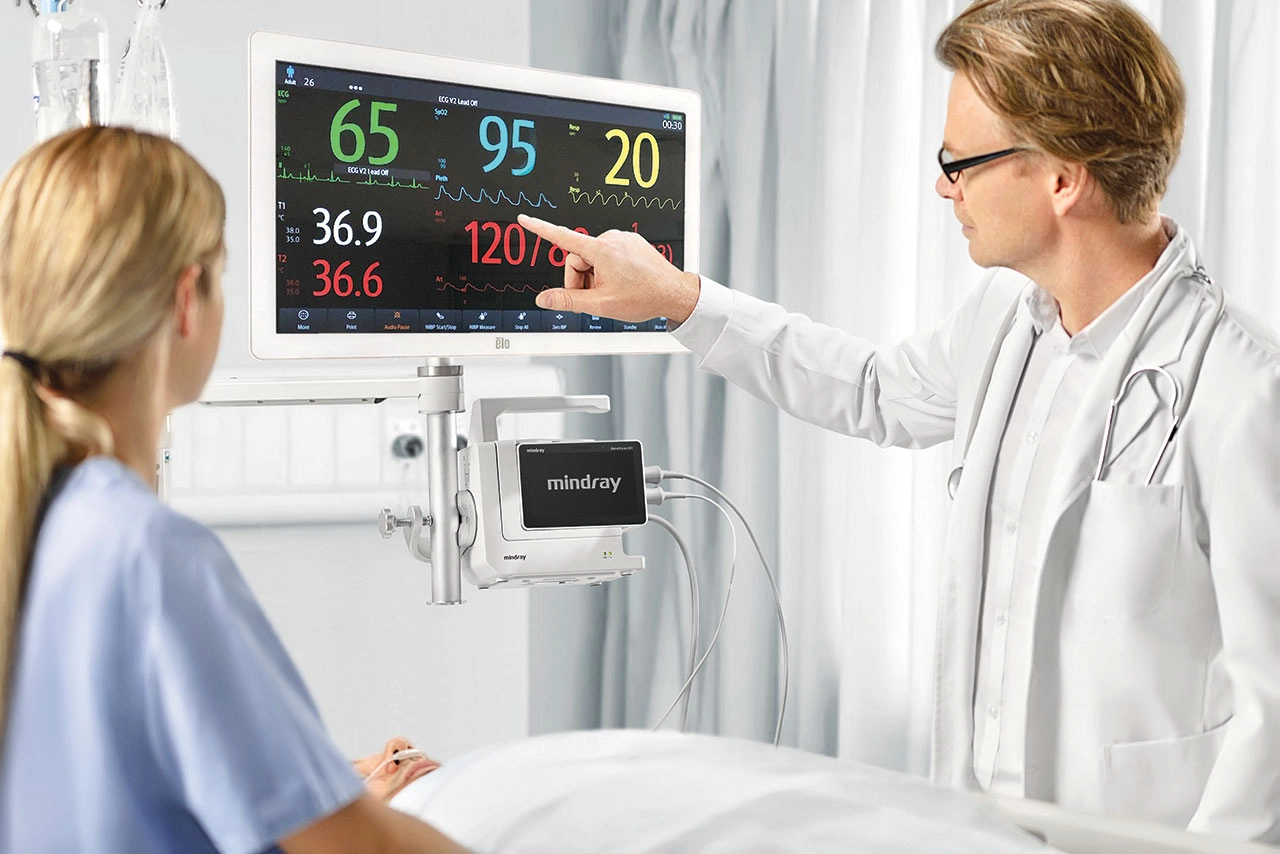
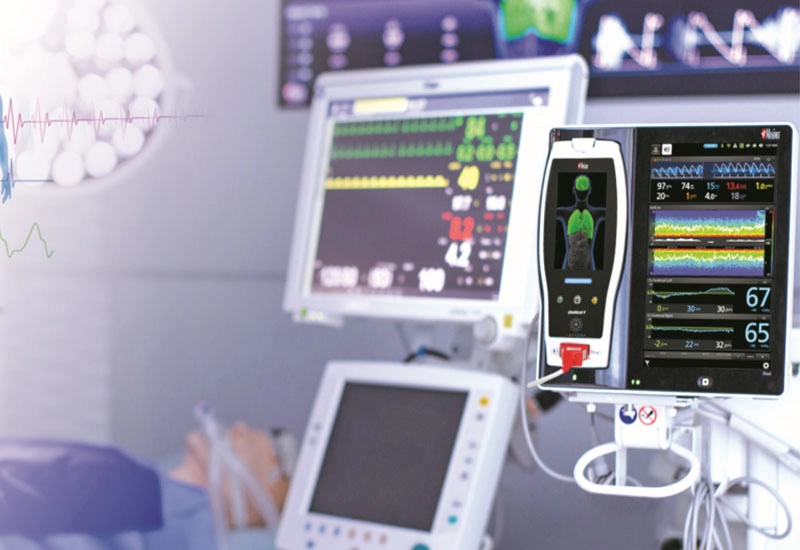
Medical monitors serve an important role in today’s healthcare settings. The need for accuracy in diagnosis, patient checks, and operations has grown. Special displays have turned into key tools. These monitors do more than regular home screens. They add features that focus on safety, exactness, and steady work in clinics.
Strong and high-performance screens let surgeons and staff watch vital signs and see clear images in tough procedures. Medical-grade monitors give several benefits over regular ones. These include better certifications, exact calibration rules, strong cleaning options, higher resolutions, stronger brightness, improved uniformity, solid connection choices, longer use periods, and steady picture quality for many years. All these points help create improved patient results and smoother work in hospitals, clinics, and other care places.
Certification
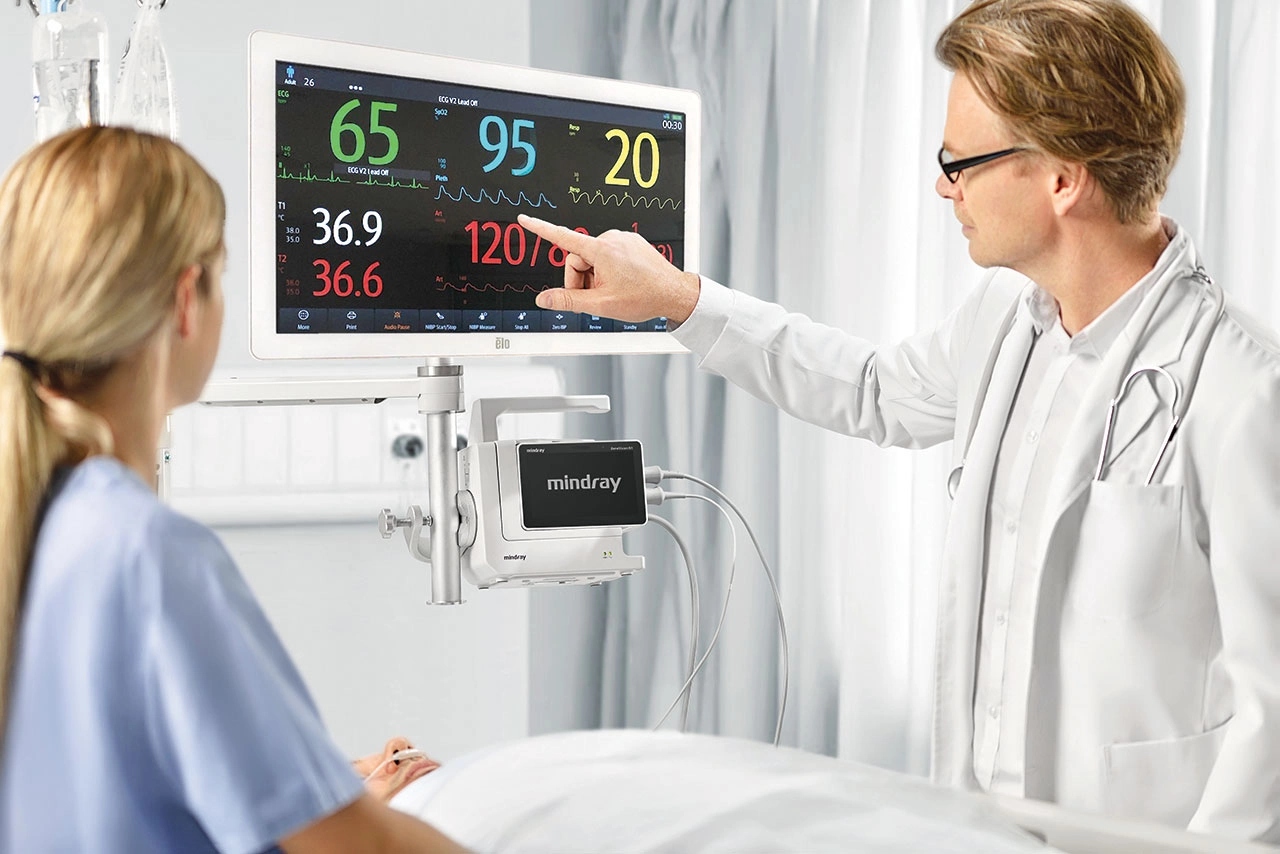
All electronic medical tools, including clinical displays, must follow the international standard IEC 60601-1. This standard covers basic safety and main performance needs for devices that healthcare workers or patients use in clinics, homes, or other places. One main point of IEC 60601-1 compliance is to cut electromagnetic emissions. These emissions could disturb other sensitive medical tools like defibrillators, ventilators, or heart monitors. Medical displays that meet this certification lower risks in areas where many electronic systems work near patients.
Compliance makes sure displays keep electrical isolation and avoid dangers from leakage currents or electromagnetic interference. Makers of medical monitors put effort into detailed tests to gain and keep these certifications. This supports smooth fit into current medical systems.
DICOM
DICOM, or Digital Imaging and Communications in Medicine, sets rules for handling, storing, printing, and sending medical imaging data. Medical-grade displays follow DICOM Part 14. This part gives grayscale display function standards for steady image copies. This calibration helps show small differences in gray tones. These differences matter for reading X-rays, CT scans, MRIs, and other diagnostic images. The display works well under different light and on various devices.
Calibration usually happens and gets checked with optical measurement tools. DICOM-compliant monitors give stable luminance and contrast results. This cuts changes in image reading. The steady results help radiologists, surgeons, and experts make sure diagnoses and treatment choices.
Sanitation
Medical settings need strict clean rules. Medical-grade monitors have designs made for easy cleaning. They often use flat and smooth surfaces that cut spots where dirt can build up. Many models hold ingress protection ratings. These make the casings strong against dust and liquids. Staff can clean them fully with disinfectants and sanitizers.
Antibacterial coatings and hydrophobic treatments add more protection against bacteria, viruses, and mold. These features let displays handle repeated cleaning with strong agents and stay in good shape. Such clean options matter a lot in operating rooms, intensive care units, and patient rooms where stopping infection counts most.
Resolution
High-resolution medical displays help with detailed views needed for correct diagnosis and procedure help. Resolutions up to 4K (3840 x 2160 pixels) and higher give sharp pictures. Professionals can see fine body details without too much zoom. High pixels-per-inch (PPI) density keeps clarity even on big screens.
Advanced models may add 3D imaging features. This improves depth sense for uses with MRIs, CT scans, or minimally invasive surgeries. This clear level helps lower reading mistakes that happen when complex three-dimensional data goes onto normal 2D displays. Higher resolution also supports multi-modality viewing. In this setup, several image sources show at the same time.
High-Brightness
Operating rooms and procedure areas often have strong overhead lights. This creates problems with screen glare and clear sight. Medical monitors fix this with high-brightness LED backlights. These often go over 1000 cd/m². The level sits much higher than normal consumer displays.
This stronger brightness keeps images clear and easy to see under bright room conditions. When paired with proper DICOM calibration, high-brightness displays hold a wide range of grayscale copies. They keep diagnostic details even in hard lighting. Surgical monitors with these specs give steady results where every visual sign can affect patient safety.
Uniformity
Display uniformity matters for correct medical image checks. Changes in luminance, like dark areas, bright spots, or mura effects, can add false marks that lead to wrong reading. Standards from groups like the American Association of Physicists in Medicine (AAPM) suggest checking displays with special test patterns. Luminance variation should stay below 15-30% across check points.
Medical-grade monitors receive precise factory calibration and quality checks to reach high uniformity. This steady level supports reliable diagnosis over the full screen area. No part hurts image quality.
Isolated IOs
Medical displays often include isolated inputs and outputs for safe and flexible links. Common interfaces include HDMI, DisplayPort, USB, and special medical connectors. Isolation stops ground loops and electrical interference. This adds to patient safety.
External controls for brightness changes and programmable function keys allow setup for certain clinical tasks. These features help quick connection with medical PCs, imaging systems, and other devices. They support efficient work in busy settings.
Lifecycles
Unlike consumer displays that see frequent model updates, medical monitors get built for long use. They often have supported lifecycles over 10 years. This steady availability lets healthcare places add displays into long-term systems without quick swaps. Extended warranties usually cover full repair services. This lowers total cost of ownership.
Long product availability lets medical staff build comfort with the interface and performance traits. This improves workflow efficiency and diagnostic confidence through time.
Image Consistency
Steady performance over years of use sets medical displays apart. Advanced LED backlighting cuts brightness drop. Strong build keeps high contrast ratios—often 1000:1 or better—compared to consumer choices. This stability makes sure calibration settings stay useful during the display’s working life.
Features like automatic calibration reminders and stable luminance output help keep ongoing compliance with DICOM standards and regulatory needs.
Conclusion
Medical monitors stand as special technology built for tough healthcare uses. Their mix of strict certifications, precise calibration, sanitation-focused design, high resolution, brightness, uniformity, reliable connectivity, extended lifecycles, and image consistency makes them necessary tools for modern medicine. As imaging technologies move forward, medical displays keep developing to meet higher performance and integration standards.
FAQ
What is the difference between medical-grade monitors and consumer displays?
Medical-grade monitors meet strict safety certifications like IEC 60601-1. They offer DICOM calibration for accurate grayscale imaging. They also feature antimicrobial designs, higher brightness, and longer lifecycles suitable for clinical use.
Why is DICOM compliance important for medical monitors?
DICOM Part 14 ensures consistent grayscale reproduction. It allows accurate interpretation of medical images such as X-rays and CT scans across different devices and viewing conditions.
What brightness levels are typical for surgical medical monitors?
High-brightness surgical monitors often reach 1000 nits or more. This helps maintain visibility in brightly lit operating rooms while preserving diagnostic image quality.
How do medical monitors support infection control?
They incorporate flat designs, IP-rated enclosures, and antibacterial or hydrophobic coatings. These features withstand frequent cleaning with hospital-grade disinfectants.
Partner with a Trusted Medical Display Manufacturer and Supplier
As a leading display manufacturer and custom solution provider, Miqidisplay specializes in developing high-performance medical monitors tailored to healthcare requirements. With expertise in surgical monitors featuring 1000 nits brightness, antibacterial glass, and full customization options—including interface modifications, touchscreen integration, custom backlights, and enclosures—Miqidisplay delivers reliable, IEC 60601-1 compliant solutions for medical device OEMs, system integrators, and healthcare equipment suppliers.
Manufacturers and suppliers seeking long-lifecycle displays with DICOM support, high uniformity, and robust sanitation features can benefit from Miqidisplay’s one-stop OEM/ODM services. From initial design consultation to production and quality assurance, the engineering team supports projects with strict quality control, international certifications, and efficient delivery.
Contact the sales team today to discuss custom medical monitor requirements, request product samples, or explore integration solutions for diagnostic, surgical, or patient monitoring applications. Collaborate with an experienced manufacturer to enhance product offerings with advanced display technology designed for the demands of modern healthcare.