





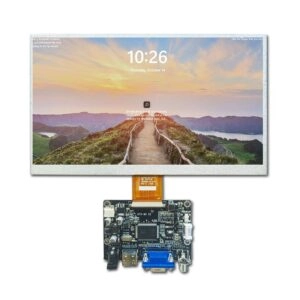
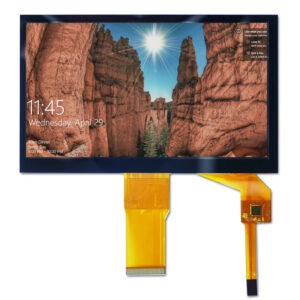

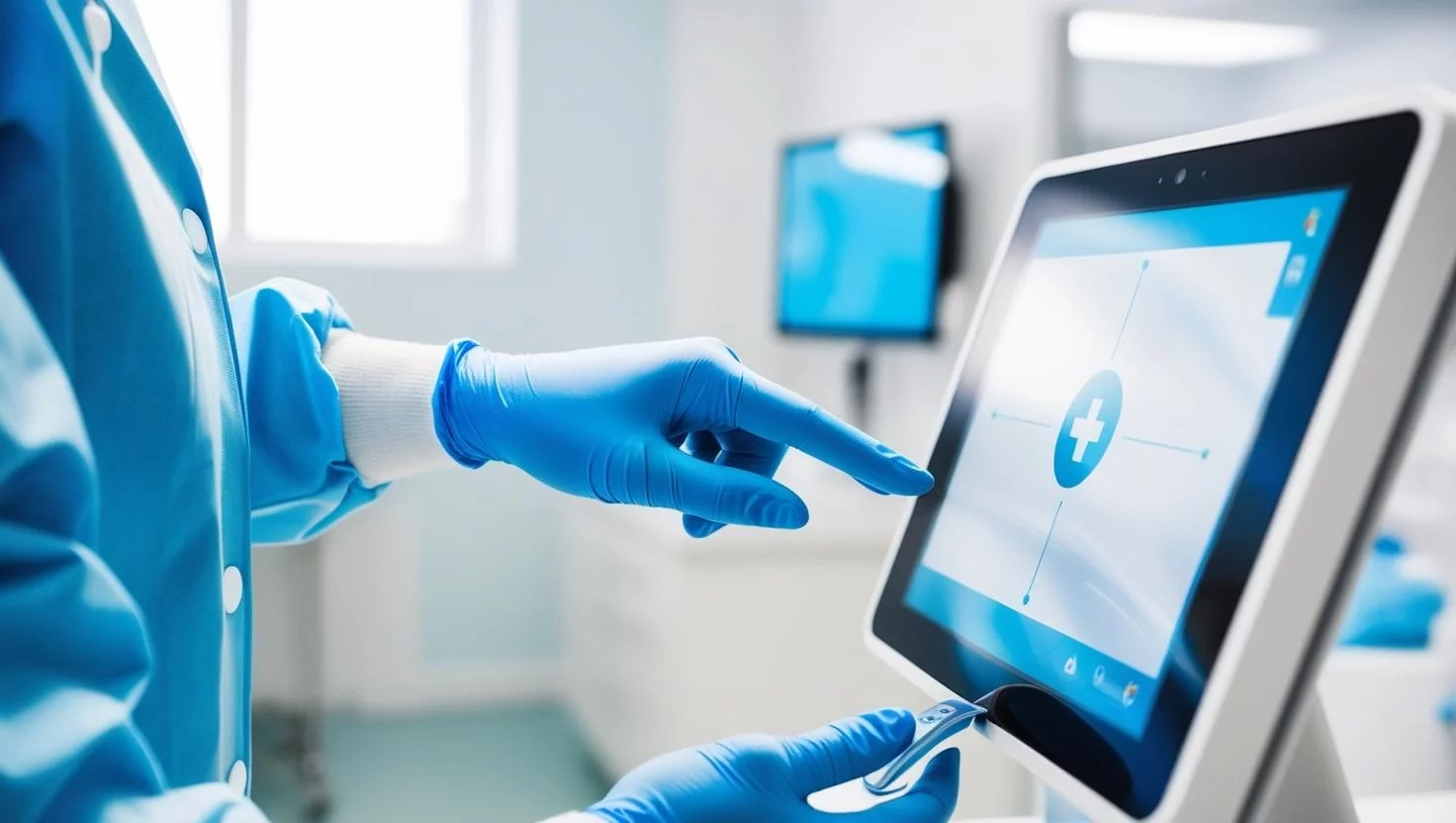
The medical tech field keeps changing fast. Advanced screens play a big part in better diagnosis, patient care, and daily medical work. TFT touch screen displays have become a key piece in today’s medical gear. This piece looks at why they matter, their main gains, and what might come next for TFT touch screens in healthcare.
Introduction to TFT Touch Screen Displays in Medical Equipment
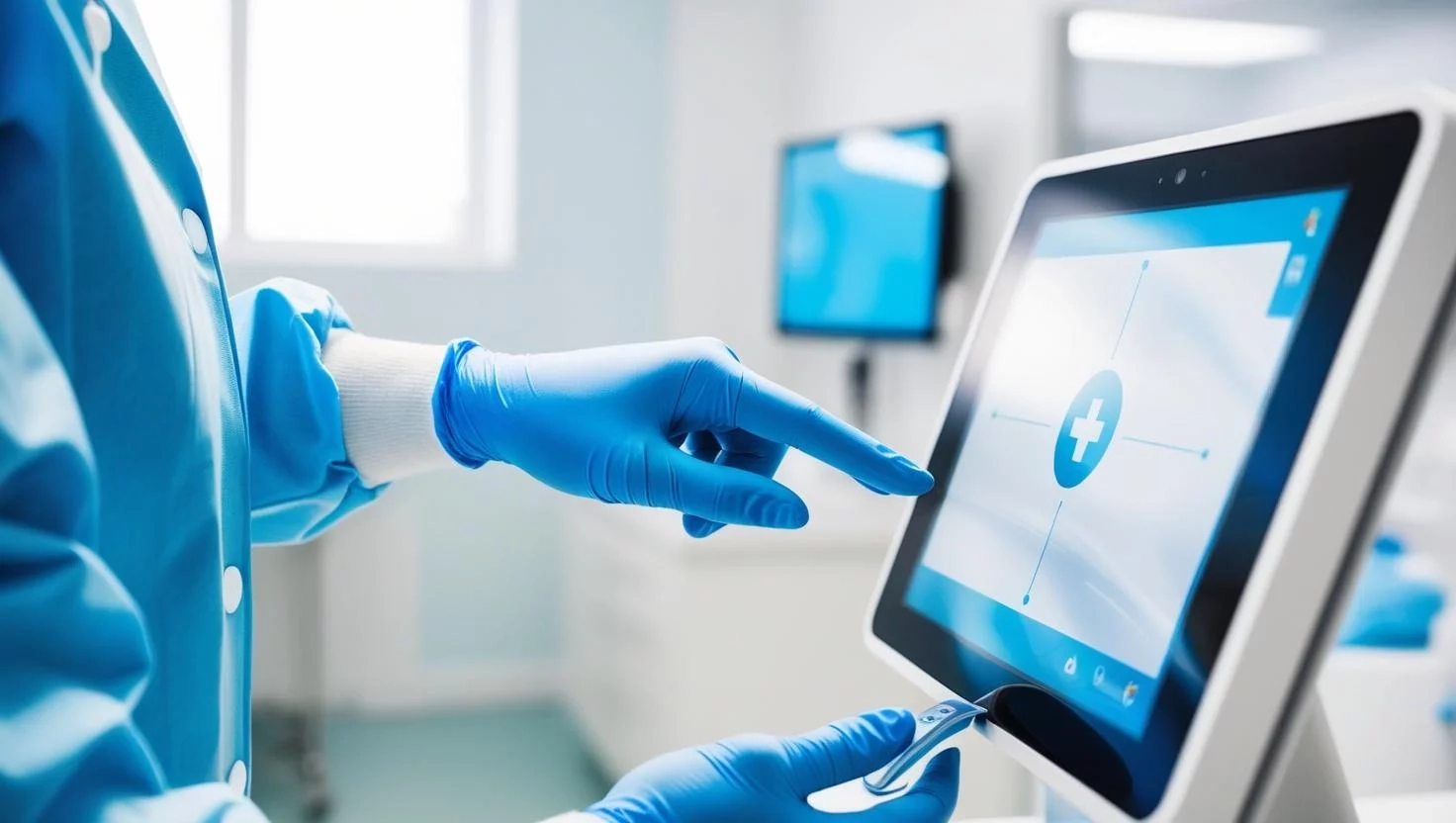
Thin Film Transistor (TFT) displays hold a solid name for clear pictures, low power use, and strong lasting power. Adding touch control turns these screens into easy, hands-on tools. They fit well in tough medical places. From imaging machines and patient watchers to surgery tools and portable health devices, TFT touch screen displays give sharp views plus simple use.
Key Benefits of TFT Touch Screen Displays for Medical Equipment
1. Enhanced Diagnostic Accuracy
High-clear TFT displays work great for medical pictures. This covers ultrasound tools, X-ray viewers, CT scanners, and MRI setups. They show fine details clearly. Doctors spot small issues with more trust. Touch controls let users zoom in on spots, change brightness or contrast, or draw notes right on the screen with easy moves. These steps make work flow better and help read hard medical info more exactly.
2. Improved Patient Care
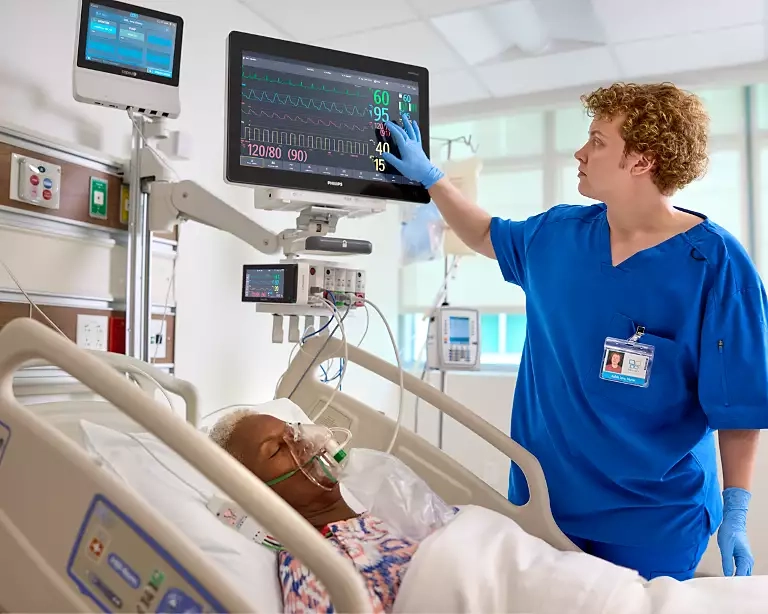
Patient watching systems gain a lot from TFT touch screens. They show live vital signs and body data on clear, friendly screens. Staff can check info fast, change settings, or add notes without extra keyboards or mice. This direct touch cuts typing mistakes, speeds answers in urgent times, and raises safety plus care level for patients.
3. Compliance and Reliability
Medical tools follow tight rules like CE marks and FDA guides. TFT touch screen displays made for medical use add features that match these rules. They put safety, long life, and steady work first. Built to handle strong cleaners, heavy daily use, and some bumps, these displays keep going in hard hospital spots. They cut stop time and repair needs.
4. Customization and Flexibility
TFT touch screen displays allow lots of changes to fit different medical needs. Choices cover screen size, clearness level, touch kind (capacitive or resistive), brightness, connection types (HDMI, MIPI, LVDS), and extras like germ-killing layers or optical bonding. Small high-clear units fit portable test tools. Bigger ones work for main watch stations in ICUs or surgery rooms.
Technological Advancements
Steady new steps in TFT touch screen tech open more uses in medicine. Changes come in materials, making ways, and system links.
1. Multi-Touch Capabilities
New TFT touch screens handle many touches at once. This allows complex moves. Surgeons can turn or grow 3D body models during work. Radiologists compare many scans side by side easily. These tools raise exactness in high-risk times.
2. Anti-Glare and Anti-Reflective Coatings
Surgery rooms and check areas often have bright lights that make glare on screens. Modern TFT displays add special anti-glare and anti-reflective layers. They keep views clear in different light. Important info stays easy to read always.
3. Integration with IoT and AI
TFT touch screen displays link more with IoT networks and AI tools. This lets devices share data smoothly and give smart guesses. For example, watch systems can send auto alerts when patient signs go off track. This helps quick action.
Challenges and Considerations
TFT touch screen displays bring big gains. Still, some issues need care when adding them.
1. Cost
Making medical-grade TFT displays with top features like high brightness (up to 1000 nits), wide view angles, and special layers costs more. Finding balance between good work and budget stays key to keep them reachable in many healthcare spots.
2. Regulatory Compliance
Following strict rules needs deep tests and papers. Makers spend a lot to get certifications. This makes sure displays meet safety and signal rules without hold-ups.
3. User Training
Touch screens make things easy. Still, advanced parts may need special training for medical staff. Good help materials let users get the most from these tools in daily work.
Future Outlook
The path for TFT touch screen displays in medical gear looks very bright. New steps include bendy and foldable shapes. These could allow fresh device looks like wearable monitors or flexible surgery tools. Better sensor links and fingerprint checks right on the screen add safety and personal setup.
In telemedicine, these displays allow clear far-away talks. They support live team work, picture sharing, and touch-based checks over distance.
Conclusion
TFT touch screen displays hold a strong spot as must-have parts in today’s medical gear. They give clear views, quick touch use, and steady work. Ongoing tech steps set them to push better diagnosis, raise patient results, and spark new ideas across healthcare.
FAQ
What makes TFT touch screen displays suitable for medical imaging?
High-resolution panels combined with touch functionality enable detailed visualization and direct manipulation of images, improving diagnostic efficiency in devices like ultrasound and X-ray systems.
How do TFT touch screens ensure reliability in medical environments?
They incorporate durable materials, disinfectant-resistant surfaces, wide temperature tolerance, and compliance with medical certifications to withstand intensive use and cleaning protocols.
Can TFT touch screen displays be customized for specific medical devices?
Customization covers size, resolution, touch technology, brightness, interfaces, and protective features like antibacterial glass, allowing adaptation to portable monitors, surgical displays, or diagnostic tools.
What role does multi-touch play in medical applications?
Multi-touch supports complex gestures for handling 3D models, comparing scans, or adjusting parameters intuitively, benefiting surgical planning and radiology workflows.
Are TFT touch screens energy-efficient for battery-powered medical devices?
TFT technology offers low power consumption alongside high performance, making it ideal for portable and handheld equipment in clinical settings.
Partner with a Leading TFT Touch Screen Display Manufacturer
Medical device manufacturers and suppliers seeking reliable, high-performance TFT touch screen displays benefit from collaborating with an experienced display manufacturer like Miqidisplay. Specializing in custom TFT LCD and touch solutions, the company provides tailored modules featuring high brightness, antibacterial coatings, multi-touch support, and wide-temperature operation, engineered specifically for medical applications such as surgical monitors, diagnostic imaging, and patient monitoring systems. With rigorous quality control, international certifications, and dedicated OEM/ODM expertise, Miqidisplay delivers stable supply chains and precise engineering to meet stringent healthcare demands. Reach out today to discuss project requirements, request prototypes, or explore customized TFT touch screen options that enhance medical device performance and reliability.