


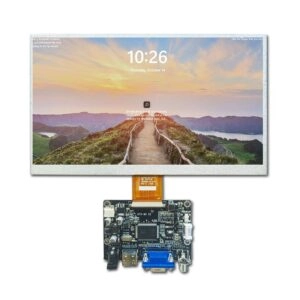
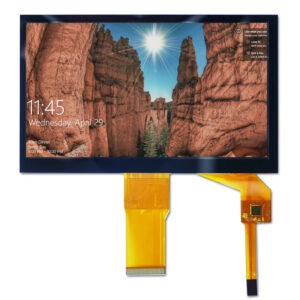

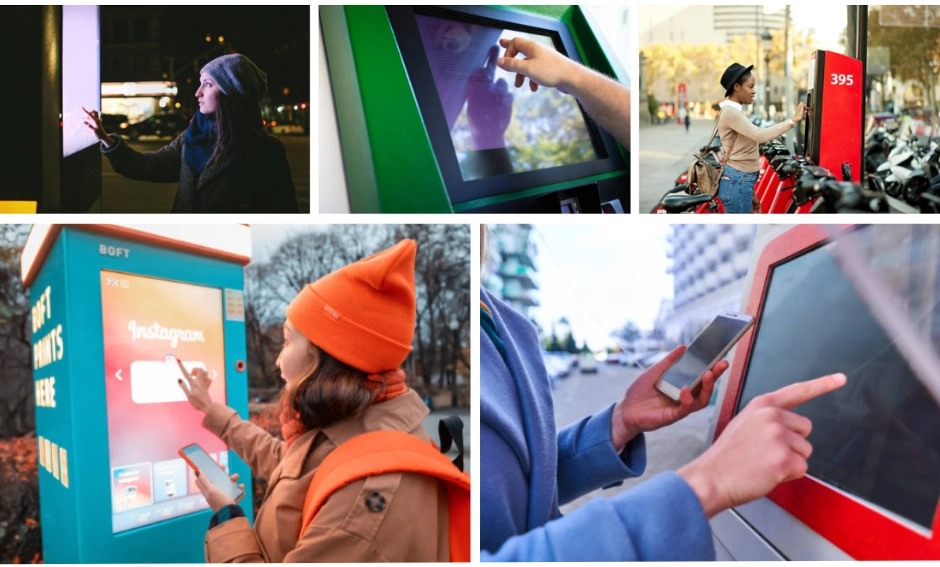
Standard computer monitors face long outdoor time. Visibility drops fast. Inside parts face risk of break. This usual problem leads to the query if sunlight truly harms monitors. Long sun time can cause lasting damage to most regular screens. It does so through shine, warmth, and UV rays. But special fixes work for bright, outdoor, or factory spots. Sunlight readable touch screens fix these problems right away.
 How Sunlight Affects Standard Monitors
1. Glare & Visibility Issues
Business monitors run at light levels of 250–300 nits. That works for inside office or shop spots. In straight sunlight, air light strength often tops 10,000 lux. It beats the back light. It fades pictures. The outcome is big drop in contrast and read. This happens even at top settings. Workers in outdoor or half-outdoor jobs lose key data. That leads to work hold-ups.
2. Heat Buildup & Blackouts
Sunlight lifts inside screen heat through heat spread. Liquid crystal stuff in LCD boards get less quick or hit even state when too hot. They make dark spots or full picture loss. Heat shut systems start in some units. They guard parts. But repeat rounds speed wear on wires, caps, and back lights. Air space heat trap between layers makes spot heat worse. It drives heat way over air levels.
3. UV Damage
UV rays break down plant parts over time. Liquid crystal bits go through light-chemical changes. These snap chem links. They cut line exact and cause color changes or contrast drop. Polarizers turn yellow, split, or fade. Back light spreaders and films lose work power. Plastics and guard coats change color or get weak. That brings lasting sight drop and shorter full life.
4. Environmental Vulnerabilities
Regular monitors miss guard from wet air, dirt, rain, or big temp shifts. Water build forms in air spaces. It boosts rust or cloud. Dirt entry hits light clear. Heat grow diffs stress inside links. In factory, sea, move, or open spots, these mix to cause often breaks, stop time, and swap costs.
These weak points go past simple bother. In key jobs like factory control setups, car boards, or outdoor stands, screen break brings safe risks. It breaks work flow and hits output. Number checks show heat stress can cut hoped work hours in half for unguard units.
What Makes a Sunlight Readable Display Different?
Sunlight readable monitors go by names like daylight or high-light screens. They use aimed build to beat outdoor limits. Main diffs hold raised work numbers and guard traits.
High Brightness Output
These screens give light over 600 nits. Many kinds hit 1,000 nits or more. Some reach up to 1,200 nits in picked setups. Better LED back lights keep sight against strong air light. They hold picture clear where regular boards fail.
Anti-Reflective & Anti-Glare Coatings
Special face care and light adds cut back shine. These coats raise real contrast numbers. They make text and pics stand out even under straight sun.
Thermal Management Systems
New plans use heat spread paths, bigger temp work ranges (often -30°C to 85°C), and tough shells. These stop over heat and keep steady work over air limits.
Durability Enhancements
Many kinds have weather-fight builds, with full coats and shut links. Water guard and dirt block grow use in open spots without cut work.
Industrial-Grade Construction
Parts face hard tests for steady job in rough places. Strong stuff and solid wires back long-term trust past home-grade hopes.
Optical bonding stands as a main tech in many sunlight readable fixes. This way puts a clear light glue right between guard glass and LCD board. It ends air spaces. The gain cuts inside shines that spread light and cut contrast. Optical bonding also boosts mech power against hits. It blocks wet and dirt entry. It betters heat pass to cut hot spots. With high-light back lights, these screens give top sun work. They grow service life too.
Sunlight readable screens thus give steady run where normal monitors can’t. They hold color true, contrast, and quick reply in spots that make regular units useless.
Technical Considerations in Sunlight Readable Display Design
Past basic light and coats, some build factors set real spot work.
Contrast Ratio Optimization
High air light cuts seen contrast. Sunlight readable kinds hit high numbers through good polarizers, new liquid crystal mixes, and back light care. Some use light-pass parts that bounce air light to add back light. They save power but lift sight.
Wide Temperature Liquid Crystal Formulations
Picked liquid crystal blends fight state changes over wide heat ranges. These stuff keep quick reply times and steady line even near heat ends. They stop picture slow or dark in outdoor or factory jobs.
Power Efficiency and Thermal Balance
Higher light raises power use, but tuned drive paths and good LEDs cut pull. Built heat feelers and care rules stop too much heat. They keep output while aiding long life.
Integration with Touch Technologies
Charge or fight touch adds fit smooth in sunlight readable touch screens. Bond ways make sure touch right without add shines or feel loss. Custom link picks, like LVDS, MIPI, HDMI, or RGB, ease fit with diff control setups.
Material Science Advancements
New polarizers with UV blocks and strong films cut light-chemical break. Full coats guard wires from wet and dirt. Custom cover glass thicks boost hit fight without lose light clear.
These tech parts together lift sunlight readable screens from simple sight fixes to strong, job-set parts.
Real-World Applications of Sunlight Readable Monitors
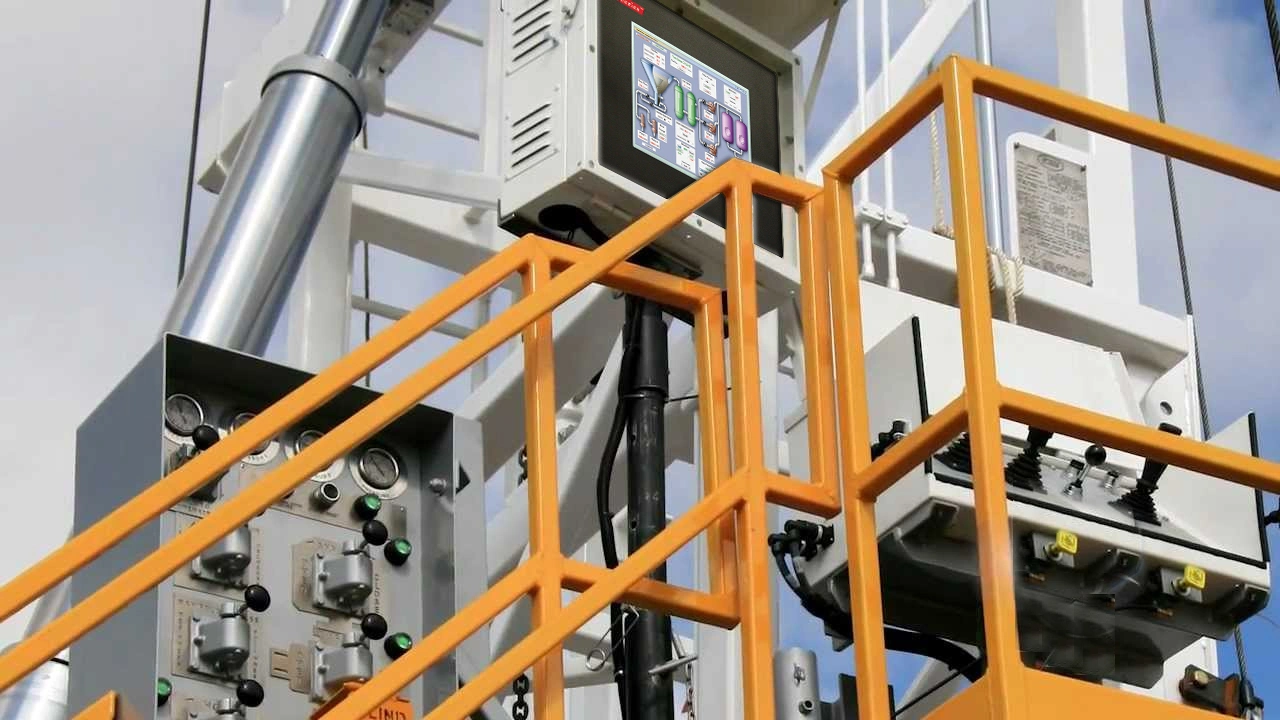
Sunlight readable tech backs jobs where trust can’t fail. Use spreads over many fields that need steady, clear info show.
Outdoor Digital Signage
Ad boards, info stands, and open shows keep sight day and night. High light fights change light spots. Tough build takes weather face.
Industrial Environments
Make plants, store rooms, and build sites use these screens for man-machine links and flow control. Hard plans take shake, dirt, and temp swings on plant floors.
Marine and Transportation
Nav systems, car boards, and center info shows gain from wide-heat run and sun read. Key data stays open for workers in car setups or sea spots. It boosts safe in day or change spots.
Public Infrastructure
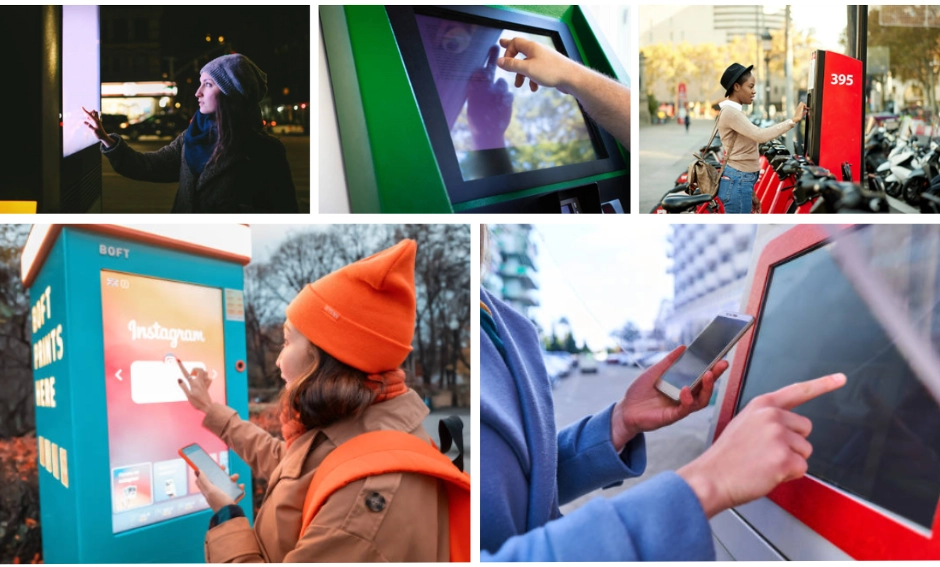
ATMs, ticket machines, and outdoor stands need weather-proof work and steady use. Sunlight readable touch screens back user talk without stop.
Extra fields hold med gear needing high-light clear in diff lights. Safe entry control setups and special tools. In each, regular screens bring bad risks of break or weak work.
Customization Options for Sunlight Readable Solutions
Manufacturers meet one-of-a-kind project needs through wide custom picks. Choices hold changes to wire length, spot, and plugs for easy fit. Touch screen add lets pick charge or fight tech with change glass thick and form.
Link changes back HDMI, USB, SPI, VGA, or other ways to match system build. Board plan shifts fit space limits. Custom back lights tune volt, flow, light levels, or NVIS match.
Cover glass custom, mount holds, seals, or press-feel glues fit body set. For rough spots, IP-rate full coats add guard from dirt and water. Wide-heat kinds and high-light adds (hit 1,000 nits or more) fit car, factory, or outdoor needs.
These skills let exact match with job wants. From car boards needing sun read for drive info to factory HMIs asking steady run in end spots. Build teams check specs and give fit bids quick.
Why Partner with a Specialized Manufacturer
Miqidisplay operates as a premium display manufacturer and supplier with over 20 years of expertise in OEM/ODM services for TFT LCD, IPS, and related technologies. The company maintains certifications , ensuring compliance with international quality and environmental standards. Production emphasizes strict multi-stage quality control, advanced R&D capabilities, and one-stop solutions encompassing hardware and software customization.
Miqidisplay delivers high-brightness sunlight readable displays with specifications such as 600–1,200 nits, wide operating temperatures from -30°C to 85°C, and compatibility with various interfaces. Products support industrial, automotive, medical, and transportation applications through rugged construction and tailored features. With facilities focused on reliability in harsh environments, the manufacturer provides consistent performance for mission-critical deployments. Global clients benefit from high on-time delivery rates and dedicated support.
FAQ
What brightness level defines a sunlight readable display?
Sunlight readable displays typically feature brightness of 600 nits or higher, with many models offering 1,000 nits or more to ensure visibility in direct sunlight.
How does optical bonding improve display durability?
Optical bonding eliminates air gaps, reducing internal reflections, enhancing contrast, and protecting against moisture, dust, and mechanical stress while improving thermal management.
Do sunlight readable touch screens maintain accuracy in bright environments?
Yes. Integrated touch technologies, combined with anti-glare treatments and bonding processes, preserve responsiveness and precision under high ambient light.
Partner with a Trusted Display Manufacturer and Supplier
Business seeking reliable sunlight readable touch screens or custom TFT LCD solutions benefit from collaborating with an experienced display manufacturer and supplier. Miqidisplay offers end-to-end customization, high-quality production, and technical expertise tailored to industrial, outdoor, and transportation requirements.
Contact the sales team today to discuss requirements for sunlight readable displays, industrial monitors, or full custom solutions. Dedicated support ensures seamless project development from initial design through production and delivery. Reach out via established channels to initiate collaboration with a proven display manufacturer and supplier committed to performance in demanding environments.