







Introduction
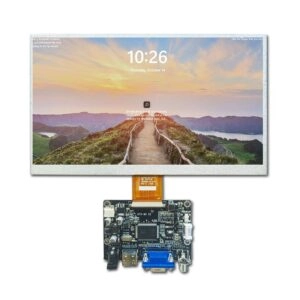
Touchscreen technology keeps changing how healthcare works. It improves contact between doctors, nurses, patients, and medical systems in places like nurse stations, operating rooms, patient kiosks, and diagnostic machines.
Medical device manufacturers choose touchscreens based on how well they work in clinics, how they follow rules, and how easily they fit into systems. They care more about these things than just basic functions or looks. In uses from patient monitoring and surgical tools to point-of-care terminals and diagnostic platforms, medical-grade touchscreens give the toughness, accuracy, and cleanliness needed in tough healthcare places.
This article points out the main reasons why medical-grade displays count as a smart choice for good performance, safety, and long-lasting dependability in medical work.
 Infection Control Through Hygienic Design
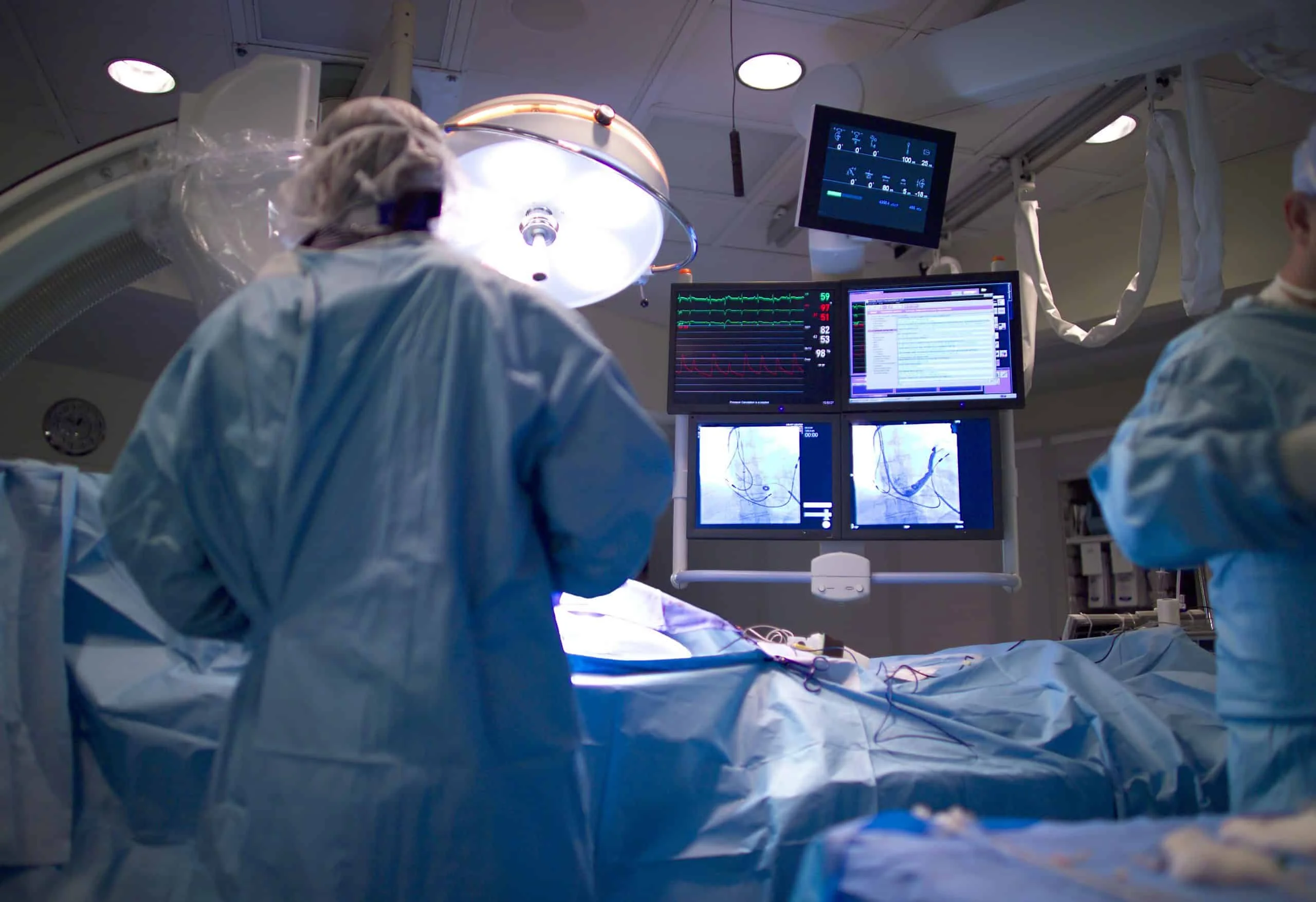
Stopping infections stays a top concern in hospitals and clinics. Medical-grade touchscreens include special features made for strict cleaning rules. Sealed cases, smooth front surfaces, and antimicrobial coatings allow cleaning many times with hospital disinfectants, such as alcohol-based ones, and they do not get damaged.
Newer designs often put virtual touch buttons inside the coverlens. This removes physical buttons that hold liquids and make cleaning harder. The front protection usually reaches IP65 or better ratings. It keeps out dust completely and stands up to strong water streams. These qualities matter a lot in operating theaters, intensive care units, and isolation areas where the chance of germs spreading is higher.
Glove-Friendly Operation
Medical-grade displays have very sensitive touch that works smoothly. They handle interactions with latex, nitrile, or vinyl gloves well. Projected capacitive (PCAP) technology does best here. It stays quick and responsive even when users do not touch with bare hands. This feature keeps things clean during work in surgical suites, isolation rooms, or emergency areas. Interruptions in workflow can create dangers for patient safety.
Built for Durability and 24/7 Reliability
Regular consumer screens cannot meet the constant use in healthcare. Medical-grade versions use strong industrial parts, tough cases, and glass that resists hits. They handle bumps, shakes, and long running times. This build cuts down stops in busy settings. It lowers repair costs and keeps critical systems like vital signs monitors or imaging workstations going without breaks.
Certified for Clinical Safety
Meeting medical electrical equipment rules is basic. This especially means IEC 60601-1, with recent versions that stress patient safety, low leakage currents, and risk control. These approvals check electrical safety when patients are close. They confirm low leakage currents and electromagnetic compatibility (EMC) so devices do not disturb things like pacemakers or ventilators. Approval under IEC 60601-1, plus EMC tests under IEC 60601-1-2 often, gives healthcare places confidence in the equipment. It also reduces legal risks.
Superior Display Clarity and Visibility
Doctors and nurses need clear pictures to make good choices. Medical-grade touchscreens provide high-resolution screens, wide viewing angles (often 178° horizontal/vertical), and coatings that cut glare or reflections. These traits make everything easy to read in different lights, like bright OR lights, dark patient rooms, or normal hospital hallways. They help accurate reading of scans, charts, or live data.
Precision Touch & Multi-Touch Capabilities
Quick and exact touch makes software easy to use in electronic health records (EHR), imaging programs, or control screens. Multi-touch allows moves like pinch-to-zoom or scrolling with several fingers. These actions speed up entering data, cut down mistakes, and help clinicians work better when time is short.
Seamless Integration into Medical Systems
Putting in displays requires thinking about the whole device setup. Medical-grade touchscreens give many mounting choices (VESA, panel-mount, or custom bezels), different connections (HDMI, LVDS, MIPI, USB), and custom firmware. Planning early for sizes and links makes building easier. It helps with rule checks and makes sure everything works with built-in systems or separate terminals.
Long-Term Availability & Product Support
Medical products last many years, so parts need to stay available for a long time. Manufacturers give long-term plans. This cuts down on redesign work, staff retraining, or new approvals. Stable supply chains and handling old parts protect money spent on systems already in use.
Electromagnetic Compatibility and Shielding
More than basic safety, good EMI/EMC shielding stops interference that might affect nearby machines. Medical-grade builds use grounded cases, filtered connections, and shield layers. They meet IEC 60601-1-2 rules. This keeps things steady in crowded electronic spots like ICUs or hybrid ORs.
High-Brightness and Specialized Optical Enhancements
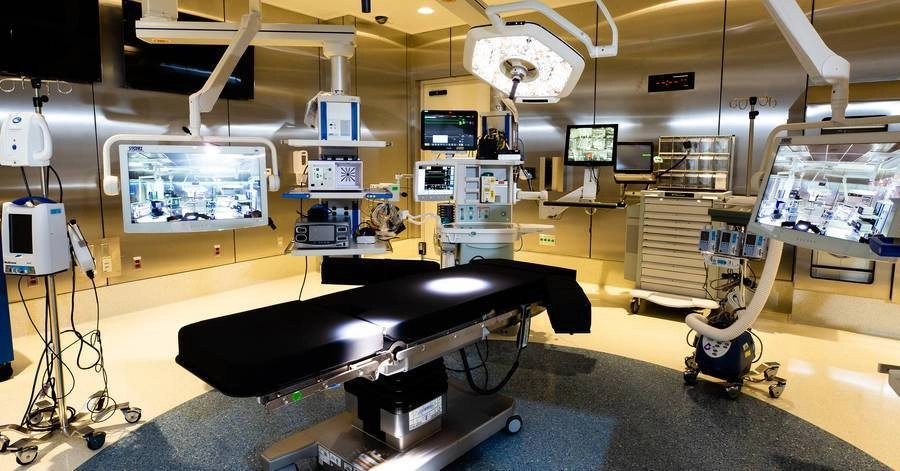
Surgery and diagnostic work gain from brighter screens (often 500–1000 nits or higher). This helps see clearly in lit operating rooms. Optical bonding cuts reflections and parallax. It also improves contrast and strength. Antibacterial or antimicrobial glass adds more cleanliness and keeps good picture quality.
Advanced Projected Capacitive (PCAP) Technology in Medical Applications
Why PCAP Dominates Medical Touch Interfaces
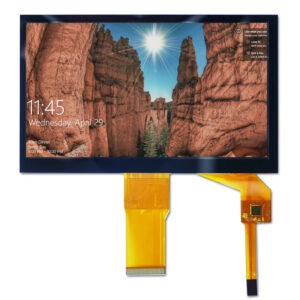
Projected capacitive (PCAP) technology stands as the top pick for medical touchscreens. It offers better accuracy, strength, and clean advantages compared to options like resistive or surface acoustic wave. PCAP sensors pick up touch from changes in an electric field. They need no force and allow multi-touch moves even in hard clinical places.
Key Advantages of PCAP for Healthcare
- High Durability and Scratch Resistance — The glass surface handles many cleanings with disinfectants and normal touch without damage.
- Reliable Glove and Stylus Operation — Tuned PCAP works with thin medical gloves, thicker procedure gloves, or passive styluses. It gives steady results in clean workflows.
- Water and Contaminant Rejection — Better PCAP controllers tell real touches from puddles, splashes, or liquids. This lowers wrong inputs in wet spots like surgical prep zones.
- EMC Hardening — Builds add shielding to keep touch correct near electromagnetic noise from other medical tools.
Optical Bonding for Enhanced Performance
Eliminating Air Gaps for Superior Clarity
Optical bonding fills the space between the LCD panel and cover glass with clear resin. It greatly boosts light flow and cuts inside reflections.
Core Benefits in Clinical Environments
- Improved Contrast and Readability — Better contrast levels and less glare help see grayscale medical images or color data clearly in changing lights.
- Increased Durability and Impact Resistance — The joined setup makes the whole thing stronger against hits and shakes often found in portable or cart devices.
- Condensation Prevention — No air space stops fogging in areas with changing temperatures, like sterilization spots or near cold storage.
- Accurate Touch Response — Less parallax gives exact finger spots. This matters for marking on diagnostic images or moving through menus during work.
Energy Efficiency and Thermal Management
Smart power use helps battery devices or portable ones often seen in telemedicine or point-of-care work. Good heat designs keep performance steady in closed medical carts or wall setups. They avoid too much heat that could harm reliability or bother patients.
Purpose-Built Displays for Purpose-Built Medical Devices
Medical-grade touchscreens meet the strict needs of healthcare with built-in cleanliness, glove-friendly touch, steady running, and IEC 60601-1 approval. These special solutions improve patient results, daily work flow, and success with rules.
FAQ
What distinguishes medical-grade touchscreens from consumer-grade ones?
Medical-grade touchscreens prioritize infection control, IEC 60601-1 safety compliance, glove compatibility, 24/7 durability, and EMC performance, whereas consumer models focus on cost and general use without healthcare-specific certifications.
How do hygienic features contribute to infection control?
Sealed designs, IP65+ ratings, antimicrobial coatings, and easy-clean surfaces withstand aggressive disinfectants. They reduce cross-contamination risks in clinical settings.
Can medical-grade touchscreens operate reliably with gloves?
Yes, projected capacitive technology provides high sensitivity for accurate response with surgical or examination gloves. It maintains sterility and efficiency.
Partner with a Reliable Manufacturer and Supplier for Medical-Grade Display Solutions
Medical device manufacturers and OEMs seeking certified, customizable touchscreen displays for healthcare applications benefit from collaborating with an experienced partner. Miqidisplay, as a specialized manufacturer and supplier, offers IEC 60601-1 compliant solutions, hygienic touchscreen integration, high-brightness options, optical bonding capabilities, PCAP technology expertise, and full customization for TFT LCD, OLED, and specialized displays. Contact the team to discuss project requirements, explore tailored integrations, and secure reliable, long-term supply for next-generation medical devices. Reach out today to advance product development with proven display expertise.