





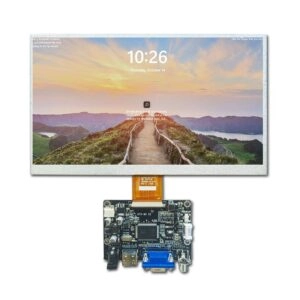
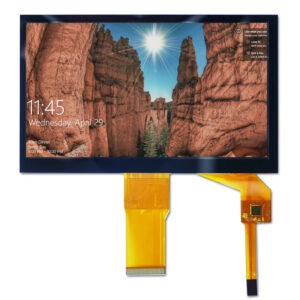

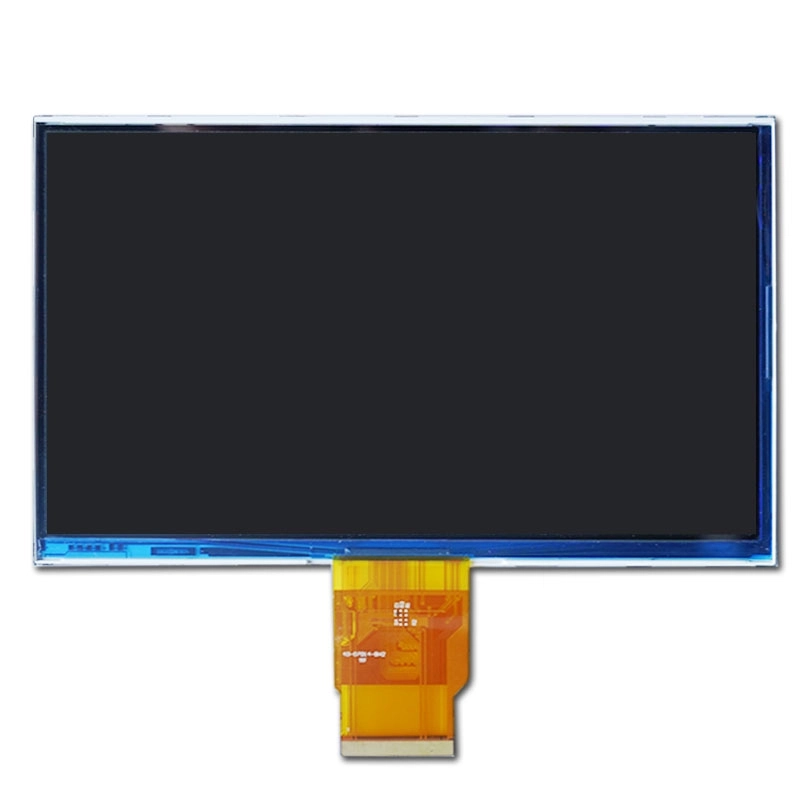
Industrial TFT LCD modules are often specified with a defensive mindset. Wider temperature ranges, higher brightness, more resolution, extra interface flexibility, and custom mechanical features may be added “just in case.” For industrial OEMs and equipment manufacturers, this can increase unit cost, engineering effort, qualification time, minimum order requirements, and sourcing risk without improving field performance.
A stronger procurement strategy starts with the real application envelope. The objective is not to select the highest available specification, but the lowest specification that reliably satisfies operating conditions, compliance obligations, mechanical integration, and expected service life.
Why Over-Specification Creates Procurement Risk
Each requirement can affect material selection, backlight design, driver compatibility, connector configuration, qualification work, and production planning.
A specification becomes excessive when it exceeds validated application needs without a measurable reliability or business benefit. Typical examples include demanding extreme temperature capability for equipment installed in a controlled factory area, selecting unusually high brightness for moderate ambient light, or requiring a custom interface when a standard option already fits the electronics architecture.
Over-specification can narrow the qualified supplier pool. Heavily customized modules may require dedicated tooling, unique components, engineering charges, or higher minimum quantities.
Build Specifications from Real Operating Conditions
Match Brightness to the Viewing Environment
Brightness should be based on actual ambient conditions, viewing distance, enclosure design, optical stack, and acceptable readability. Selecting the highest available luminance by default may increase power demand, thermal load, and cost.
A better RFQ defines the required visual outcome and operating environment, allowing engineering teams to determine whether higher brightness is justified.
Separate Operating Temperature from Storage Extremes
Industrial applications should distinguish normal operating range, temporary extremes, storage temperature, start-up requirements, dwell time, and expected optical performance near temperature limits.
If equipment operates within moderate limits but experiences a lower temperature only during storage, full optical performance at that storage extreme may not be required.
Choose Resolution and Interface as System Decisions
Higher resolution is not automatically better. Resolution should match active area, viewing distance, graphical content, processing capability, interface bandwidth, and power budget. Excess pixel density can add processing requirements without creating a meaningful operational benefit.
Interface selection should follow the existing electronics architecture. Custom interfaces should be reserved for genuine electrical, mechanical, or platform constraints.
Control Mechanical and Cable Requirements
Outer dimensions, active area, thickness, flexible cable routing, connector location, pinout, and cable length should be reviewed early. Small mechanical changes can convert a standard TFT LCD module into a custom program.
When a standard module fits with limited equipment-side adjustment, keeping the standard configuration can improve supply flexibility. Custom cable or connector work is more appropriate when packaging constraints are fixed.
Use a Tiered Requirement Structure
A practical industrial RFQ separates requirements into three levels: mandatory requirements needed for reliable operation, validation targets that must be confirmed during sample testing, and optional preferences that are acceptable only when they do not materially affect cost or lead time.
This structure prevents desirable features from becoming contractual requirements by accident. It also gives a TFT LCD module supplier room to propose a standard alternative when the application can be satisfied without a custom design.
Procurement, engineering, quality, and project management should approve the same requirement hierarchy before quotation.
Evaluate the Supplier Beyond the Datasheet
Verify Certifications and Quality Systems
Certification should be treated as evidence of process discipline rather than a marketing label. Procurement teams should request current certificates, confirm the certified entity and scope, and verify that the documentation applies to the manufacturing activities supporting the project.
ISO 9001 quality-management certification, ISO 14001 environmental-management certification, and RoHS documentation may be relevant depending on project and market requirements. Traceability is critical: documentation should match the quoted product and intended program.
Assess Production Capacity and Supply Continuity
Capacity evaluation should focus on the program rather than a headline factory figure. Key considerations include sample capacity, expected monthly volume, production lead time, peak-volume support, material availability, change-notification procedures, and product-discontinuation handling.
Annual demand and forecast information should be included early, along with rules for substitutions and specification changes after approval.
Review Customization Capability with Engineering Discipline
Customization is valuable when it solves a real integration problem. Screen-level options may include flexible cable routing, connector changes, pinout adjustment, interface-related changes, backlight characteristics, cover glass, and other module-level adaptations.
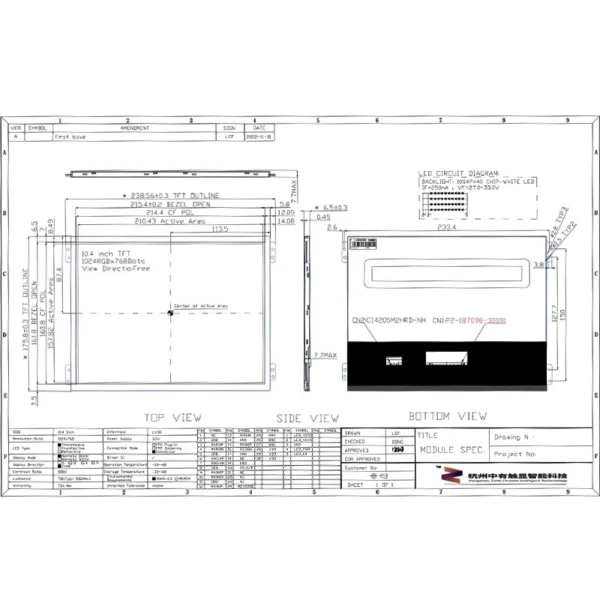
Supplier evaluation should confirm drawings, sample approval, engineering review, test criteria, and controlled transfer into volume production.
Control Customization to Protect Cost and Schedule
Every custom feature should have a documented reason. If a feature does not resolve a mechanical constraint, electrical requirement, optical condition, compliance need, or validated reliability risk, it should remain optional.
A practical sequence is to qualify a standard TFT LCD module first, then customize only the features that remain necessary after testing.
Validate Samples Under Application-Relevant Conditions
Sample validation should reproduce the real installation as closely as practical. Evaluation should cover dimensions, electrical compatibility, brightness, uniformity, viewing behavior, operating temperature, continuous operating conditions, and project-specific acceptance criteria.
Testing should distinguish survival from usable performance, with acceptance criteria defining required performance at each relevant condition.
Write an RFQ That Gives Suppliers Room to Optimize
A strong RFQ should state application type, screen size, mechanical envelope, resolution, interface, brightness target, operating and storage temperature, voltage requirements, expected operating hours, sample quantity, annual demand, production schedule, compliance documents, and qualification tests.
The RFQ should identify which requirements are fixed and which can be optimized, allowing suppliers to compare standard and customized options on the same basis.
FAQ
What is the clearest sign that an industrial TFT LCD module is over-specified?
A requirement is probably excessive when it has no documented connection to the operating environment, system architecture, compliance obligation, or validation plan. Extreme brightness, temperature, resolution, or custom mechanical features should have a measurable reason.
Should industrial buyers always choose the widest temperature range available?
No. The required range should reflect actual operating, storage, start-up, and temporary extreme conditions. Wider capability is valuable when the application requires it, but unnecessary range can restrict sourcing options and increase cost.
How should procurement teams compare TFT LCD module suppliers?
Comparison should include technical fit, certification documentation, quality controls, production consistency, capacity, lead time, customization capability, change control, traceability, and long-term supply procedures rather than unit price alone.
When is a custom TFT LCD module justified?
Customization is justified when a standard module cannot meet a fixed mechanical, electrical, optical, environmental, or compliance requirement. The custom feature should solve a defined integration problem and be supported by drawings, samples, validation criteria, and production controls.
What information helps prevent unnecessary specification during quotation?
Clear application conditions, realistic environmental limits, annual volume, sample quantity, project schedule, compliance documents, fixed mechanical constraints, and defined acceptance tests help suppliers recommend the most appropriate standard or customized screen configuration.
Conclusion
Avoiding over-specification in industrial TFT LCD modules starts with defining real application requirements rather than selecting the highest available specifications. Procurement teams should balance technical needs, certification, supplier capacity, customization, cost, and supply continuity to achieve a reliable and commercially practical sourcing decision.
Contact an Industrial TFT LCD Module Manufacturer and Supplier
Miqidisplay supports B2B industrial TFT LCD module sourcing with standard and screen-level customized solutions. Procurement and engineering teams can submit required specifications, sample quantities, annual demand, and project schedules through the Contact Us page to request a suitable TFT LCD module proposal and quotation.
Email: mary@miqidisplay.com
WhatsApp: +86 189 6801 5464; +44 07892800850