





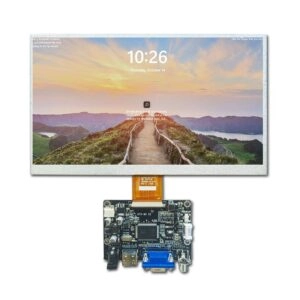
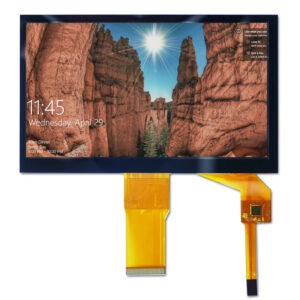


HDMI TFT LCD displays provide clear visual output in computers, embedded systems, industrial equipment, and consumer electronics. These displays mix Thin-Film Transistor (TFT) liquid crystal technology with High-Definition Multimedia Interface (HDMI) connectivity. The outcome is clear images, true colors, and even video playback that fits tough professional settings.
This article looks at the basics of HDMI TFT LCD displays. It covers their main parts, working methods, benefits, and real uses. Knowing these parts helps people in product design, system setup, and factory automation pick the best options for their work.
What is an HDMI TFT LCD Display?
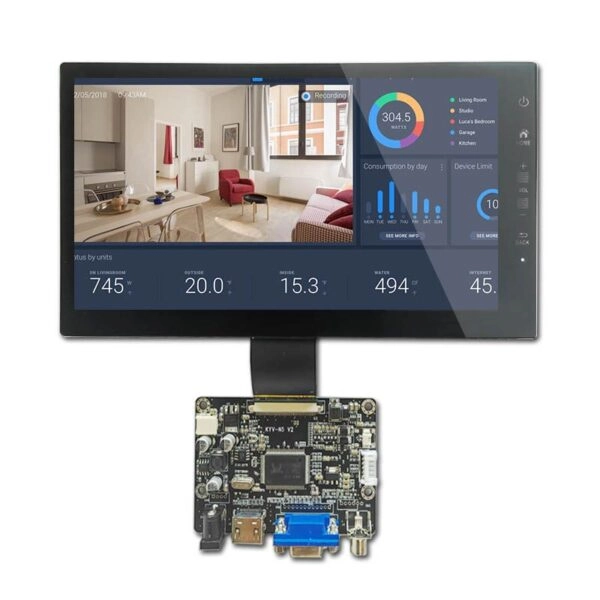
An HDMI TFT LCD display joins two main technologies. It combines TFT LCD panels and HDMI signal sending.
TFT LCD Technology
TFT LCD means Thin-Film Transistor Liquid Crystal Display technology. Each pixel on the screen gets control from its own thin-film transistor. This active matrix method gives better contrast, quicker response times, and improved color display than passive matrix LCDs.
TFT technology serves as the base for current high-quality displays. It offers exact control over single pixels.
HDMI Technology
HDMI means High-Definition Multimedia Interface. It sends uncompressed digital video and audio signals over one cable. HDMI handles high resolutions, such as 1080p, 4K, and more, with little signal loss.
Devices from single-board computers and media players to factory controllers often use HDMI ports.
Combination of HDMI and TFT LCD
When joined, HDMI TFT LCD displays take in strong digital signals through HDMI. They show them with advanced TFT pixel control. This mix allows easy plug-and-play fit in many systems while keeping good image quality.
Makers like Miqidisplay create HDMI TFT modules with built-in driver boards. These suit Raspberry Pi, embedded uses, and factory monitors.
Key Components of an HDMI TFT LCD Display
Many important parts team up to make bright, lively visuals in an HDMI TFT LCD display.
TFT LCD Panel
The panel makes the main visual area. It holds a grid of pixels. Each pixel has liquid crystals between glass layers. Thin-film transistors control them.
Subpixels in red, green, and blue (RGB) setups let the display show millions of colors through exact voltage changes.
Backlight System
LCD panels do not make light on their own. A backlight behind the panel lights up the crystals.
New designs mostly use LED backlights. They save energy, give even brightness, last longer, and offer better color truth than old CCFL types. Bright options hit 1000 nits or higher for hard settings.
Driver Circuitry
Driver boards read incoming signals and guide the TFT transistors. They handle row and column addressing. This updates pixel states fast and ensures even motion and true color display.
HDMI Controller
This part handles the digital HDMI input. It decodes video and audio streams, then sends data to the right circuits.
It manages timing, resolution match, and signal strength for steady work across different source devices.
Optional Touch Controller
Many factory and interactive HDMI TFT displays add capacitive or resistive touch layers. Special controllers handle touch inputs and send them to the host system. This allows easy user interfaces.
Additional Supporting Components
Other items like custom PCBs, interfaces (HDMI, VGA, LVDS), and protective cover glass add more features in special models.
How Does an HDMI TFT LCD Display Work?
The work of an HDMI TFT LCD display follows a simple order from signal receipt to image creation.
Video Signal Transmission via HDMI
A source device sends uncompressed digital video and audio data over an HDMI cable. The interface supports high bandwidth. It enables high-resolution content with low delay and small quality drop.
This step makes sure the display gets clean signals for detailed visuals.
Signal Processing by the HDMI Controller
The built-in HDMI controller takes and decodes the incoming data. It splits video from audio if needed. It also changes the signal to a form that fits the display’s driver circuitry.
Timing sync and resolution adjust happen here. They match the panel’s basic skills.
Driving the LCD Pixels
Driver circuitry turns on the thin-film transistors for each pixel. Voltage on the liquid crystals twists them. This changes light flow from the backlight.
RGB subpixels get separate control. They mix to make the full range of colors and tones.
Quick transistor response aids high refresh rates and cuts motion blur.
Backlight Illumination
LED backlights give steady light. Light goes through the changed liquid crystals, polarizers, and color filters before reaching the viewer.
New designs permit local dimming or high-brightness modes. These boost contrast and sight in bright surroundings.
Image Formation and Interaction
Ongoing pixel updates build moving images or video. In touch models, the touch controller spots inputs and sends them back to the system processor.
This supports interactive tasks. The whole process happens fast enough for smooth, quick performance.
Advantages of HDMI TFT LCD Displays
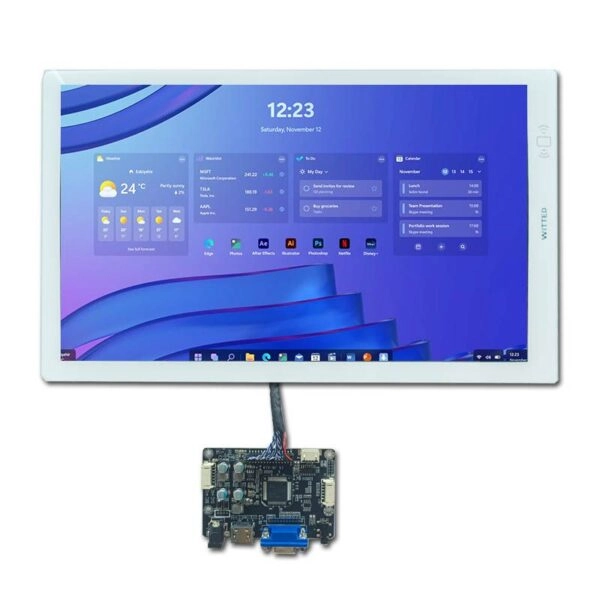
HDMI TFT LCD displays give several technical and useful gains.
Superior Image Quality
Uncompressed HDMI sending with TFT accuracy brings clear details, bright colors, and good contrast.
Wide viewing angles, often near 178 degrees in IPS types, keep steadiness from side views.
Fast Response and Smooth Playback
Low response times cut ghosting in quick motion. Thus, these displays fit video, gaming, and live watching.
Energy Efficiency
LED backlighting lowers power use while keeping brightness. It aids longer run in portable or factory places.
Versatility and Integration
Easy plug-and-play HDMI fit eases links with many host systems.
Custom driver boards, broad temperature ranges (-30°C to 85°C in some models), and strong builds widen use.
Durability Features
Factory-grade units have conformal coatings, IP-rated safety, tough connectors like M12, and antibacterial glass choices for medical work.
These traits make HDMI TFT options steady for long use in many fields.
Applications of HDMI TFT LCD Displays
HDMI TFT LCD displays help many industries because of their strength and fit.
Consumer Electronics
In consumer electronics, they show up in monitors, portable displays, and fun systems that need high-definition output.
Industrial Automation
Factory automation uses them for human-machine interfaces (HMIs), control panels, and watch equipment.
Tough models handle shakes, temperature highs and lows, dust, and wet. They give clear feedback to operators.
Medical Equipment
Medical places use high-brightness surgical monitors and check displays. These meet strict clean and steady rules.
Traits like antibacterial coatings and firm work aid key tasks.
Automotive and Transportation
Car and transport areas add wide-temperature TFT displays for dashboards, navigation, and passenger info systems.
Sunlight-readable choices ensure sight in different conditions.
Security and Digital Signage
Safety and access control systems gain from high-definition HDMI TFT screens for video feeds and interactive setups.
Digital signage, retail shelf-edge displays, and stretched bar monitors use the technology for ads and info sharing.
Embedded Systems and DIY Projects
Embedded builders and hobbyists often pick HDMI TFT modules for Raspberry Pi projects and custom electronics because of simple setup.
FAQ
What is the difference between HDMI and other interfaces for TFT displays?
HDMI sends high-definition digital audio and video in one cable with small loss. It eases links compared to VGA, LVDS, or RGB interfaces, which may need extra changes or give lower work.
Can HDMI TFT LCD displays support touch functionality?
Yes. Many models add capacitive or resistive touch layers with special controllers. This enables interactive use in factory, medical, and kiosk tasks.
What resolutions and sizes are commonly available?
Common sizes go from 4.3 inches to bigger monitors over 20 inches.
Resolutions cover 800×480, 1024×600, 1024×768, 1920×1080, and higher. It depends on the panel and driver board.
Are these displays suitable for harsh environments?
Factory types offer wide work temperatures, shake resistance, waterproof levels, and safety coatings. They fit factory floors, outdoor spots, and medical areas.
How does backlight technology affect performance?
LED backlights give better save, evenness, and length than old types. Choices for high brightness suit sunlight-readable or surgical tasks.
Conclusion
Businesses looking for steady display options gain from working with a skilled manufacturer and supplier.
Miqidisplay focuses on custom factory and medical LCD displays. The company offers HDMI TFT modules, driver boards, touch setup, and full ODM/OEM services.
With more than 20 years of skill, the company gives one-stop solutions. These include cable changes, interface tweaks, cover glass, mounting choices, and tight quality checks under world certifications.
Whether building embedded systems, factory HMIs, medical gear, or special monitors, Miqidisplay brings fitted, strong displays with reliable supply and tech help. Contact the team to talk about project needs and get custom plans.