





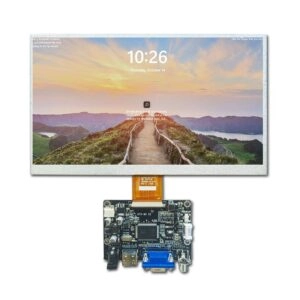
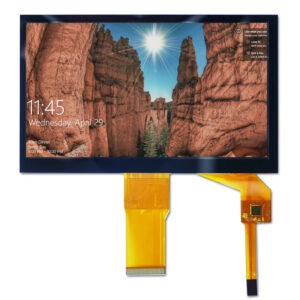

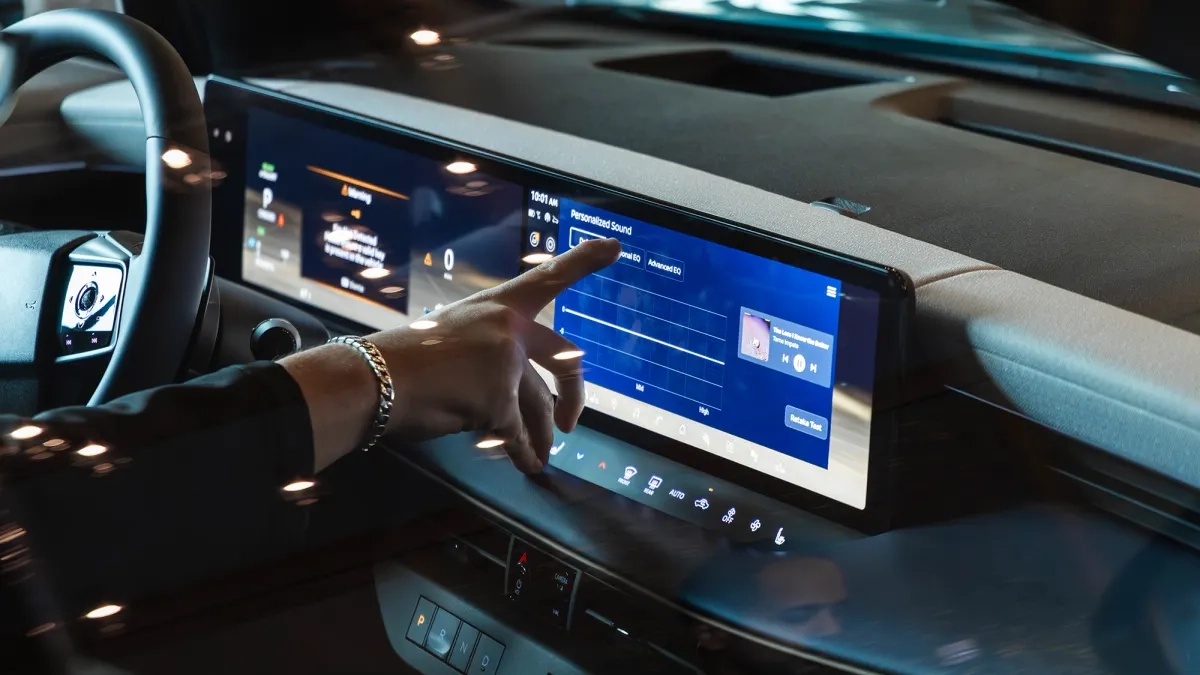
Today’s cars keep growing into full digital setups. Screen tech now forms a main part of car build. Among choices, TFT (Thin Film Transistor) screens hold a key spot in giving strong visual links for dash boards, info fun units, map tools, and back seat fun systems.
Car TFT screens must work steady in tough spots. They also need to keep clear view, quick answer, and long-time steadiness. Picking the best pick means checking many tech and spot factors. These factors shape drive safety, user feel, and setup join right away.
This piece lists main points for picking TFT screens in car jobs. It covers work needs, extra traits, job spots, and seller pick rules.
1. What Are TFT Displays?
TFT screens form a kind of LCD (Liquid Crystal Display) tech. This tech uses thin-film transistors to guide single pixels. The active matrix build lets each pixel get handled alone. As a result, images get sharper, answer times speed up, and visual work stays steady.
In car spots, TFT screens see wide use in:
- Digital instrument clusters
- Infotainment and multimedia systems
- Navigation interfaces
- Heads-up display (HUD) projection systems
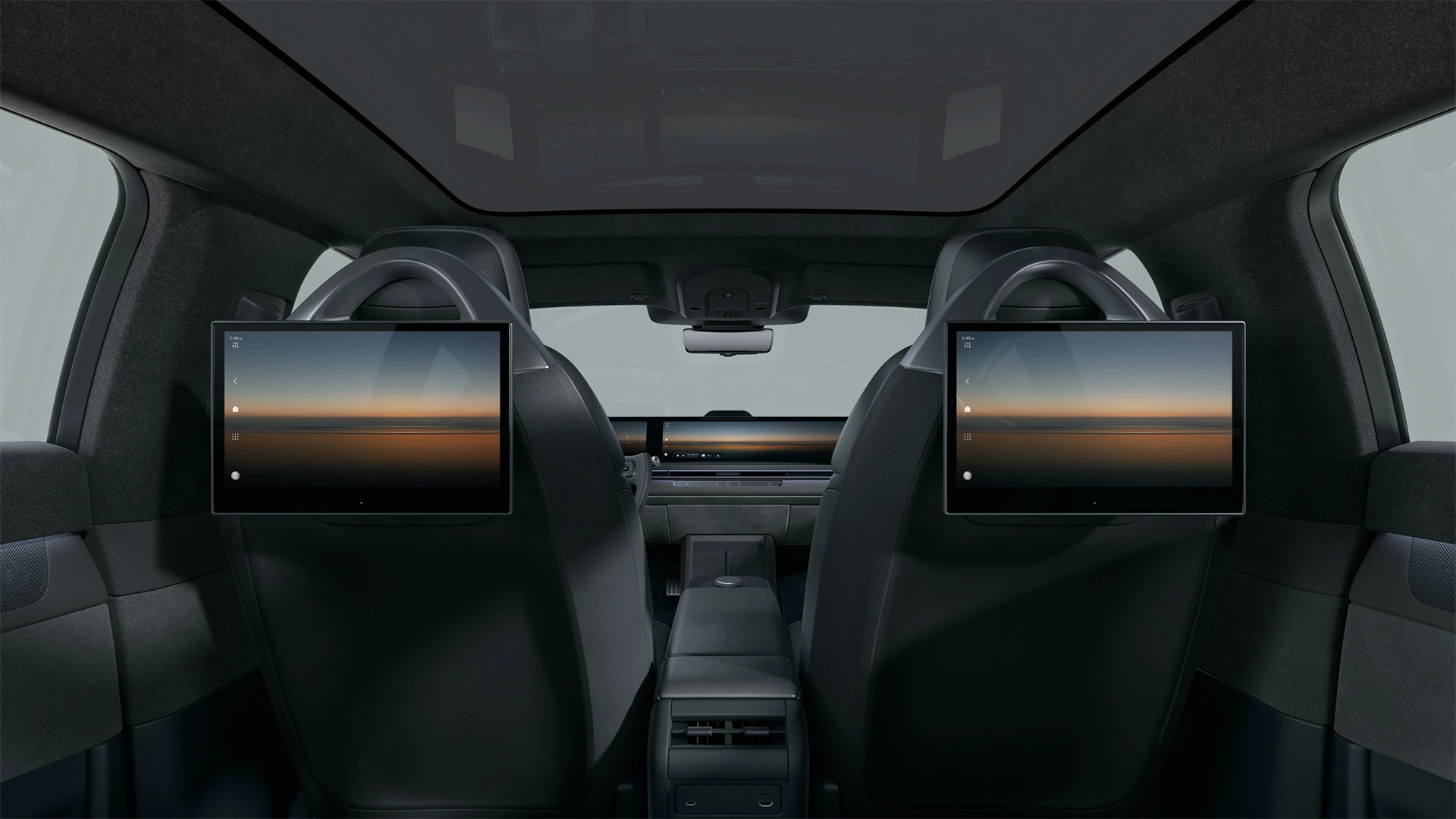
- Rear-seat entertainment screens
The mix of clear view, strong build, and grow room makes TFT tech a usual fix in today’s car electric parts.
2. Key Considerations for Choosing Automotive TFT Displays
2.1 Durability and Reliability
Car spots put screen setups under steady shake, heat changes, and long work hours. So, strong build stays a top pick factor.
Main steady needs cover:
- Wide operating temperature tolerance, typically ranging from -30°C to 85°C
- Strong resistance to mechanical shock and vibration during vehicle movement
- UV resistance to prevent long-term degradation caused by sunlight exposure
- Stable performance under prolonged usage cycles
These traits make sure steady work in both rider cars and trade move systems.
2.2 Brightness and Visibility
Clear view proves key for driver link. This holds true under quick light changes like tunnels, night drive, and straight sun face.
Main build points cover:
- High brightness levels, often reaching 1000 nits or higher for sunlight readability
- Anti-glare surface treatment to reduce reflections
- Automatic brightness adjustment based on ambient light sensors
- Stable contrast performance across varying environments
These traits make sure main drive info stays clear to read all the time.
2.3 Resolution and Size
Screen clear level and body size shape user link quality and link clear right away.
Usual car needs cover:
- High-resolution instrument cluster displays for detailed driving data visualization
- Medium to large infotainment screens supporting multi-function interfaces
- Wide-format layouts optimized for dashboard integration
Better clear level boosts read of maps, car checks, and fun content. Right size makes sure fit place in the car room.
2.4 Touchscreen Capabilities
Touch link now forms a usual trait in car systems. It lets easy guide of maps, media, and car sets.
Two main touch screen techs see common use:
- Capacitive touch panels offering multi-touch responsiveness and smooth interaction
- Resistive touch solutions providing reliable operation in environments where gloves or styluses are used
Pick rests on job spot, strong build needs, and user link hard.
2.5 Wide Viewing Angles
Car screens must stay clear from many seat spots. These spots cover drivers and riders.
Main needs cover:
- IPS (In-Plane Switching) technology for consistent color reproduction
- Stable brightness levels across wide viewing angles
- Reduced color distortion when viewed off-axis
This makes sure even visual quality no matter the seat spot in the car.
3. Advanced Features to Look For
3.1 Connectivity Options
Today’s car systems need smooth join between screens and car guide units. Strong TFT screens often back:
- CAN bus communication for real-time vehicle data exchange
- LVDS or MIPI interfaces for high-speed signal transmission
- Wireless connectivity options for infotainment synchronization
These traits back smart car setups and linked drive feels.
3.2 Customization and Branding
Car makers often need fit screen fixes lined with car mark and user feel build.
Change picks cover:
- Interface layout design tailored to specific vehicle models
- Color calibration aligned with brand identity standards
- Custom startup screens and visual themes
- Flexible mechanical design for dashboard integration
This kind of change boosts stuff stand out in hard car markets.
3.3 Energy Efficiency
Power save proves key in electric and mix cars. In these, screen power use shapes battery work right away.
Main points cover:
- Low-power standby modes during inactivity
- Optimized backlight systems for reduced energy usage
- Efficient driving ICs supporting minimal power loss
Power save screens help better full car power use.
3.4 Weatherproofing
Some car jobs need better spot guard. This holds true for open or half-open puts.
Main guard traits cover:
- IP-rated sealing for dust and water resistance
- Protective coatings against humidity and condensation
- Enhanced structural durability for outdoor conditions
These traits make sure steady work in varied spot cases.
4. Applications of TFT Displays in Automotive
4.1 Instrument Clusters
Digital instrument clusters give real-time drive data via live links. TFT screens let bendy lays that fit drive way, speed spots, or user likes.
4.2 Infotainment Systems
Info fun setups lean hard on TFT tech to give maps, fun media, and phone join. Touch back links boost use ease and cut driver pull away.
4.3 Rear-Seat Entertainment
Back seat systems use high clear TFT screens to give fun content like videos, games, and live media. This boosts rider feel on trips.
4.4 Heads-Up Displays (HUDs)
HUD setups throw main drive data on the wind shield. TFT screen parts work as the main visual make part. They make sure right and real-time info throw.
5. Benefits of TFT Displays in Automotive Applications
5.1 Enhanced User Experience
High clear TFT screens give clear sights and easy links. They boost driver join and rider joy.
5.2 Design Flexibility
Car builders gain from bendy link builds. These let live lays, moves, and fit visual parts.
5.3 Improved Safety and Efficiency
Main screen systems cut driver pull away. They pull maps, warns, and car data into one link.
6. Future Trends in Automotive TFT Displays
6.1 Integration with OLED Hybrids
Next steps may mix TFT back parts with OLED layers. This boosts clear work while keeping build trust.
6.2 Flexible and Curved Displays
Bendy screen tech should let curved dash boards and full room builds. This boosts look fit.
6.3 AI-Driven Interfaces
Fake smart join will let guess user links, voice see systems, and fit screen sets based on drive ways.
7. Selection of Automotive TFT Display Suppliers
Picking a fit seller plays a key part in making sure long-time stuff work and job win. Main check rules cover:
- Product quality consistency and compliance with automotive-grade standards
- Engineering capability for customized display solutions
- Competitive cost structure aligned with project requirements
- Technical support throughout development, integration, and testing phases
- Reliable delivery schedules supporting production timelines
- Established manufacturing capability and industry experience
- After-sales service and long-term maintenance support
A good seller adds to stuff quality. It also helps full setup trust and build ease.
8. Conclusion
TFT screen tech now forms a must part of today’s car systems. Its mix of strong build, visual work, bend, and join skill makes it fit for many in-car jobs. Careful pick of screen specs and seller skills makes sure best work under hard car terms.
FAQ
Q1: Why are TFT displays widely used in automotive systems?
TFT displays offer high resolution, fast response times, and strong environmental adaptability, making them suitable for complex vehicle environments.
Q2: What brightness level is required for automotive TFT displays?
High brightness levels, often above 1000 nits, are typically required to ensure readability under direct sunlight.
Q3: Are touchscreen TFT displays reliable in automotive applications?
Yes, both capacitive and resistive touch technologies are used depending on environmental and functional requirements.
Q4: What is the typical temperature range for automotive TFT displays?
Automotive-grade TFT displays generally operate between -30°C and 85°C.
Q5: Can automotive TFT displays be customized?
Yes, customization is common and includes interface design, size adjustment, and branding-specific visual configurations.
Automotive TFT Display Manufacturer and Supplier Solutions
For car jobs that need steady and fit screen systems, picking a skilled TFT display manufacturer and supplier proves key for hitting work trust and build bend. Strong make skills let the build of car-grade TFT fixes fit for instrument clusters, info fun systems, and special in-car jobs.
Miqidisplay operates as a professional display manufacturer specializing in TFT LCD modules, LCD monitors, and customized display technologies for industrial and automotive applications. With strong engineering capability and flexible customization support, Miqidisplay provides display solutions designed to meet demanding environmental and integration requirements across modern vehicle systems.