






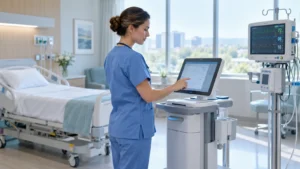

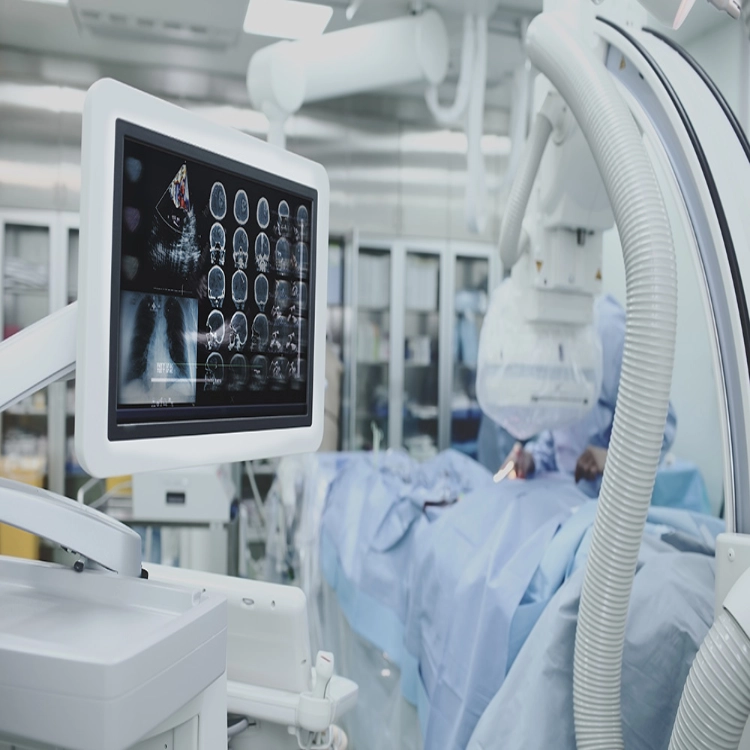
Hospitals, clinics, diagnostic centers, and other healthcare places now use more advanced technology. This helps improve patient care, make work flows smoother, and raise overall efficiency. Touch screen monitors serve as key tools in this change. They help staff access electronic health records, look at diagnostic images, and allow direct interaction in clinical areas.
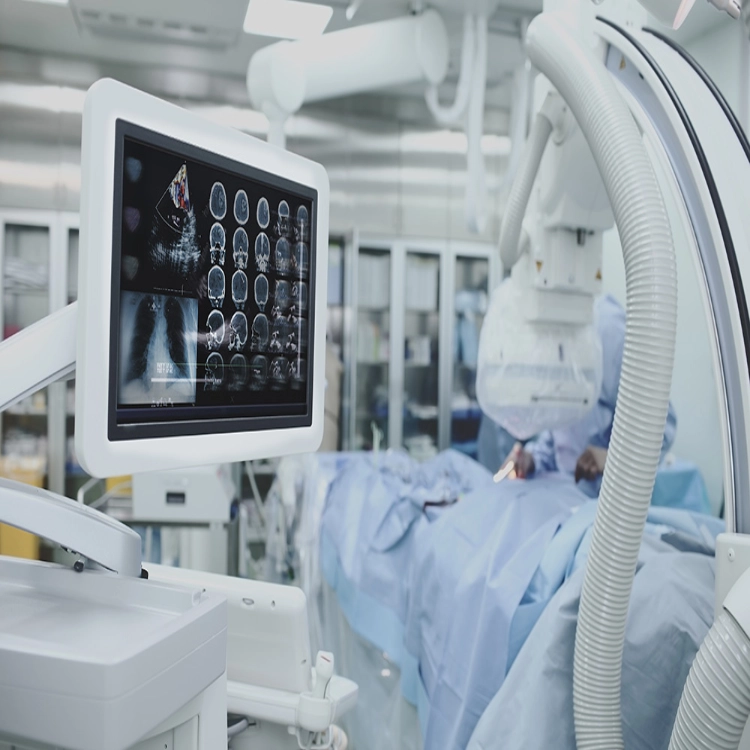
Medical-grade touch screen monitors let healthcare workers handle many tasks without trouble. These include pulling up patient data, updating charts, checking X-rays and scans, and watching vital signs live. Such devices prove especially useful in operating rooms. There they give clear views of patient status. In patient rooms, they offer fast access to care plans.
How Touchscreen Monitors Benefit the Healthcare Setting
Touch screen technology has stayed in healthcare for years. It brings faster work, long-term cost savings, and better patient satisfaction.
Efficient Information Retrieval
Healthcare workers no longer depend on paper files or slow searches. Electronic Medical Records (EMR) systems give quick access to full patient histories with easy touch controls. This cuts time on admin work and lowers mistakes from hand-written entry. Patients can also add basic info themselves through self-service kiosks. That speeds up the intake process.
Streamlined Patient Check-In Processes
Many big facilities now have self-check-in kiosks with touch screen monitors. These let patients type in their details, insurance info, and medical history on their own. As a result, lines at the front desk get shorter. Staff feel less pressure during busy times.
Enhanced Privacy and Protection of Personal Health Information (PHI)
Self-service check-in reduces talking about private details in open areas. This follows rules like HIPAA in the United States for keeping Protected Health Information (PHI) safe. Secure touch setups for data entry help meet standards and increase patient trust.
Improved Inpatient Monitoring and Care Coordination
Touch screen monitors in patient rooms or at nursing stations show live updates on vital signs, medicine times, and treatment steps. Care teams can check and change records with simple touches. They no longer need to hunt for paper charts or pass info by talking. This supports steady care and quick action when patient status shifts.
Reduction in Paper-Based Documentation
Digital work flows with touch screen monitors cut down on printed forms and records a lot. Cloud storage makes data easy to reach across departments. At the same time, less paper use helps the environment.
Key Features to Consider in a Medical Touch Screen Monitor
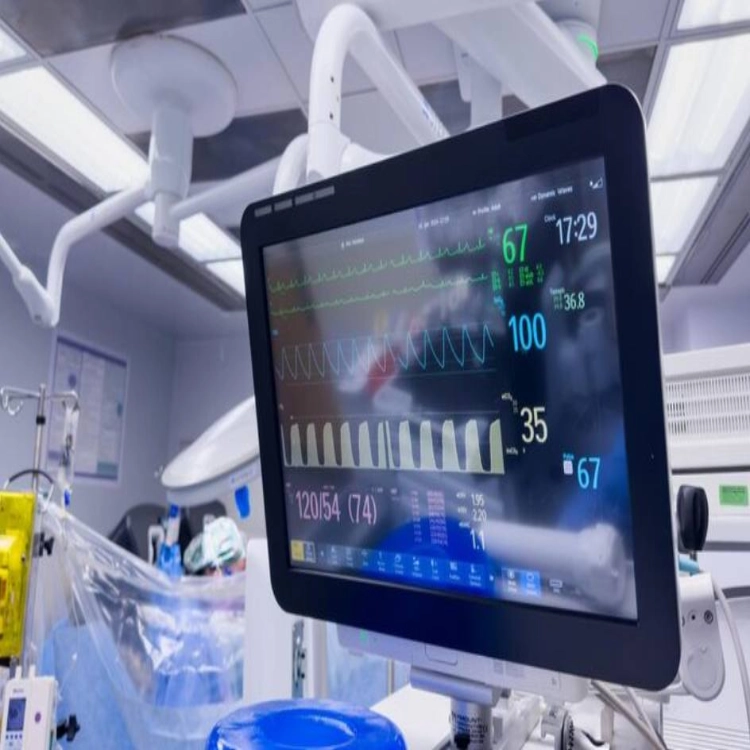
Picking the right touch screen monitor for healthcare means focusing on certain traits. These ensure reliability, safety, and good work in tough clinical spots.
Durability and High Build Quality
Monitors in healthcare often run non-stop through many shifts. Strong build handles heavy daily use from different staff. It keeps working well over long periods.
Extended Warranty Coverage
Long setups in hospitals and clinics gain from warranties of at least three years. This protection covers sudden breakdowns and lowers upkeep costs for facilities.
Capacitive Projected Touch Technology
Projected Capacitive (PCAP) touch screens give quick, multi-touch response. This suits exact actions. Full HD resolution (1920 x 1080) or better shows clear diagnostic images. Fine details in X-rays and MRIs matter for correct reading.
Water and Dust Resistance (IP Rating)
High Ingress Protection (IP) ratings, such as IP54 or IP65 on the front, block spills from IV fluids, cleaners, or body fluids. These ratings keep the monitor running in places with liquid risks.
Antimicrobial and Easy-to-Clean Surfaces
Surfaces with antimicrobial coatings slow bacterial growth. Seamless, flat designs make cleaning simple with hospital-grade disinfectants. Scratch-resistant glass stands up to frequent wiping. It keeps touch response and screen clarity good.
Flexibility for Mounting and Integration
Compatibility with medical carts, wall mounts, or adjustable stands allows use in many spots. These range from nurse stations to operating theaters. Adjustable tilt helps with comfort during long use.
Glove-Compatible Operation
Many clinical jobs need gloves. Monitors with glove-friendly capacitive touch allow accurate input without taking off protective gear. This follows hygiene rules.
High Brightness and Anti-Glare Properties
Displays with higher brightness levels (up to 1000 nits in some special models) and anti-glare coatings stay readable under strong surgical lights or changing room light.
Compliance with Medical Standards
Meeting standards like IEC 60601-1 for electrical safety and risk management (ISO 14971) remains vital. These certifications prove the monitors fit medical electrical equipment settings.
Touch Screen Monitors Versus Non-Touch Alternatives
Non-touch monitors need extra items like keyboards and mice. These take up space in small clinical areas. Touch interfaces remove those parts. They create compact setups that use workspace better. Touch displays often provide sharper resolution and image quality. This supports detailed views needed for diagnostics and charting.
Advanced Considerations for Medical Touch Screen Deployment
Infection Control Enhancements
Beyond regular cleaning, new medical monitors have features like zero-bezel designs. These stop dirt buildup. They also work with strong disinfectants without surface harm.
Integration with Healthcare Software
Smooth fit with EMR platforms, Picture Archiving and Communication Systems (PACS), and other clinical software avoids workflow problems.
Energy Efficiency and Thermal Management
Low power use and good heat control keep performance steady during long runs. This also cuts energy costs for the facility.
Customization for Specific Applications
Tailored options meet special needs. These include certain sizes, custom enclosures, or better interfaces for medical carts or diagnostic gear.
Recommended Medical-Grade Touch Screen Monitors
Several options stand out for different healthcare uses based on size, features, and purpose.
Best Touch Screen Monitor with Mounting Bracket
A 15-inch capacitive touch screen display works well for charting and patient check-in. Its strong, water-resistant, and scratch-resistant build fits constant hospital use. The included mounting bracket makes setup easy in patient rooms or for discharge teaching.
Best Touch Screen Monitor with Adjustable Stand
Another 15-inch professional capacitive model suits nurse stations and clinics. An adjustable stand offers up to 80-degree tilt for better viewing. High-definition display lets users zoom into tiny details. A touch deactivation function allows safe cleaning without wrong inputs.
Best Touch Screen Monitor for Diagnostic Purposes
A larger 32-inch capacitive display helps radiology and diagnostic areas. Anti-glare coated glass keeps image sharpness and clarity. It supports both landscape and portrait modes. This adapts to different viewing needs in clinical settings.
Final Thoughts
Touch screen monitors have changed healthcare work a lot. They support efficient communication, correct records, and steady patient care. These devices add much to modern medical settings. They back tech-based gains in workflow and results.
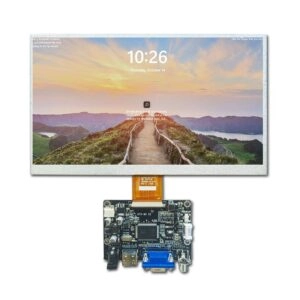
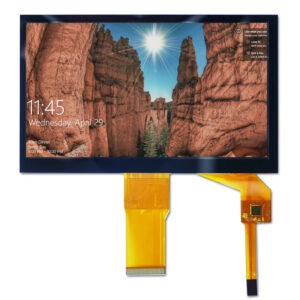
For groups looking for reliable, high-performance display solutions made for professional use, Miqidisplay stands out as a leading manufacturer specializing in LCD, TFT, OLED panels, and touch screen technologies. With over 20 years of OEM/ODM expertise, the company delivers customizable options. These include medical-grade features such as high-brightness displays, antibacterial glass, and durable touch interfaces suitable for healthcare applications.
Frequently Asked Questions (FAQ)
What makes a monitor “medical-grade”?
Medical-grade monitors meet strict standards for safety, durability, and hygiene. These cover electrical compliance (IEC 60601), high IP ratings for fluid resistance, antimicrobial surfaces, and steady work in clinical settings.
Why choose capacitive touch over resistive in healthcare?
Capacitive touch offers better response, multi-touch support, and glove compatibility in many models. This makes it better for exact work with diagnostic images and EMR systems.
Can these monitors integrate with existing hospital systems?
Yes, medical touch screen monitors support standard interfaces. They design for compatibility with EMR, PACS, and other healthcare software platforms.
What sizes are most common for healthcare touch screens?
Common sizes range from 15 inches for nurse stations and check-in kiosks to 32 inches or larger for diagnostic viewing. Flexibility depends on the application.
Partner with a Trusted Display Manufacturer for Bulk and Custom Needs
Healthcare organizations, system integrators, medical equipment providers, and buyers interested in procuring high-quality touch screen monitors or custom display solutions can get in touch with Miqidisplay. They are a specialist display solution provider, offering OEM/ODM services. They offer customized medical-grade LCD and TFT touch displays, including glove-sensitive touch, high brightness, antibacterial, and rugged touch display solutions. They invite buyers to get in touch with their experts for exploring options for bulk purchases or custom requirements for professional-grade display solutions in the healthcare domain.