





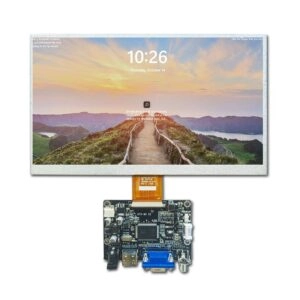
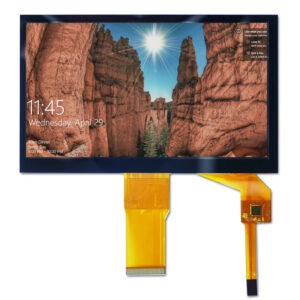

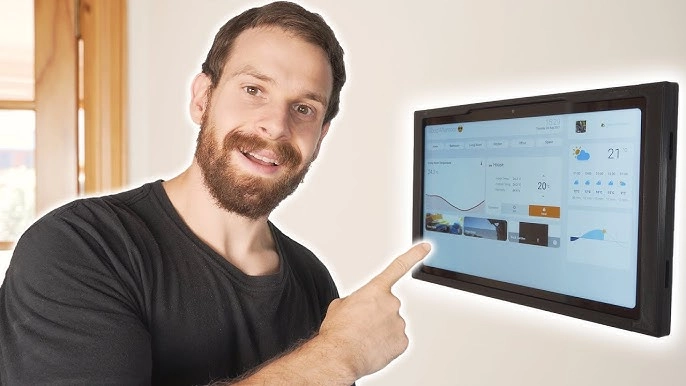
As smart homes become more common, household appliances use internet connections for better functions. This change creates the Internet of Things (IoT). In this system, devices talk to each other and provide more convenience. People need simple interfaces to use these new features well. Electronic displays, especially LCD touch screens, serve as the main link in this process.
Touch screens give smooth user experiences with clear images and easy input methods. These work for people with different technical skills. Manufacturers add these displays in a low-cost way into appliances. They combine modern appeal with useful internet features. This setup makes daily tasks easier and improves how appliances work.
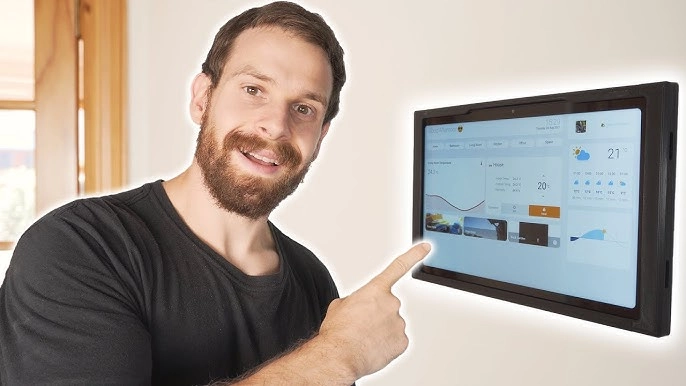
How Are Displays Used in Appliances?
Kitchen Appliance Integration
New ideas let LCD displays and touch panels show up in almost every household appliance. Kitchen appliances form one main area of fast smart product growth.
Smart Toasters
Smart toasters with internet connections and touch interfaces help users get exact toasting results. Saved custom settings handle future uses automatically. This removes guesswork for different food items such as bread, bagels, or frozen pastries.
Smart Refrigerators
Smart refrigerators change old magnets into digital photo displays. Users reach recipes right on the screen. They check inventory levels and order groceries online with the built-in connection. This process makes meal planning smoother and cuts food waste.
Coffee Makers
Coffee makers pull user-selected recipes through touch interfaces. They keep preferred brewing presets. Timers let coffee brew before users wake up. This improves morning routines with smooth automation and steady results.
Laundry and Utility Applications
Beyond kitchens, displays change laundry experiences.
Smart Washing Machines and Dryers
Smart washing machines and dryers show current cycle progress. They suggest best settings based on fabric and load sensors. They connect with home networks for remote checks. Users get notifications when cycles finish. This reduces wait times and stops problems like over-drying or wrinkles.
Energy Consumption Monitoring
These interfaces also show energy consumption data. They support sustainable household practices by guiding users toward efficient usage patterns.
How Do Touch Screens Work?
Basic Operating Principles
Touch screens depend on arrays of electrodes. These often use materials like indium tin oxide. They pair with a touch IC controller.
A uniform charge spreads across the panel surface. A conductive object, such as a finger, changes the local charge at the contact point. The controller notices this exact change. It turns the change into accurate input data for the system.
Sensitivity and Noise Challenges
Controllers need high sensitivity to catch small charge variations. Signal amplification helps detection through gloves or thicker barriers.
But traditional panels boost noise together with the useful signal. This noise creates false touches. False touches can upset users in normal consumer appliances. They also cause reliability problems in tougher situations.
Environmental factors in homes, including humidity, temperature changes, and cleaning agents, test conventional touch technology even more.
What Is Differential Mutual Technology?
Core Mechanism of Noise Cancellation
Differential mutual technology improves touch sensing. It raises sensitivity while it lowers noise and boosts accuracy.
It works in a way similar to noise-canceling headphones. It uses paired sense lines that carry a signal and its negative counterpart. Identical noise on both lines cancels out during subtraction. This leaves a clean, usable signal. The process allows strong amplification without wrong inputs.
Performance Advantages
The result supports reliable detection through gloves, thick glass, plastic covers, or air gaps in non-optically bonded assemblies.
Manufacturers gain more flexibility in the design of durable, user-friendly appliance interfaces. These interfaces stay responsive in real home conditions.
This technology also keeps multi-touch capabilities even with difficult inputs. It supports intuitive gestures that improve user control.
What Are the Applications of Displays with Differential Mutual Technology?
Glove-Compatible Interaction
Enhanced signal gain provides precise touches with few false positives. This expands possibilities in home appliances.
Safe Kitchen Interaction
Interaction through thick gloves becomes possible. Kitchen environments often need oven mitts for safety with hot surfaces. Differential mutual technology registers inputs reliably through such materials. This helps stovetops, ovens, and other heat-exposed appliances. Quick adjustments happen without removal of protection.
Enhanced Durability with Thicker Protection
Appliances that face physical stress, such as cooktops or heavy-use laundry units, gain from robust cover lenses.
This technology keeps full touch functionality through increased glass or plastic thickness. It extends product lifespan and resistance to impacts, scratches, and spills in a major way.
Advanced Multi-Touch Support
Multi-touch gestures work reliably under difficult conditions.
Pinching to zoom on recipe images, rotating views, or performing other interactions happens smoothly through gloves or thick covers. This allows more natural and efficient controls. These controls were limited before in specialized appliance environments.
Superior Optically Bonded Solutions
Optically bonded assemblies reach better overall performance.
Optical bonding removes air gaps for improved readability, visual quality, heat dissipation, and condensation prevention. Differential mutual technology further improves touch sensitivity in these premium configurations. It delivers the highest user experience in smart home products.
Additional benefits include better heat management in enclosed appliance spaces and resistance to moisture ingress. These features are critical for long-term reliability near water sources in kitchens and laundry rooms.
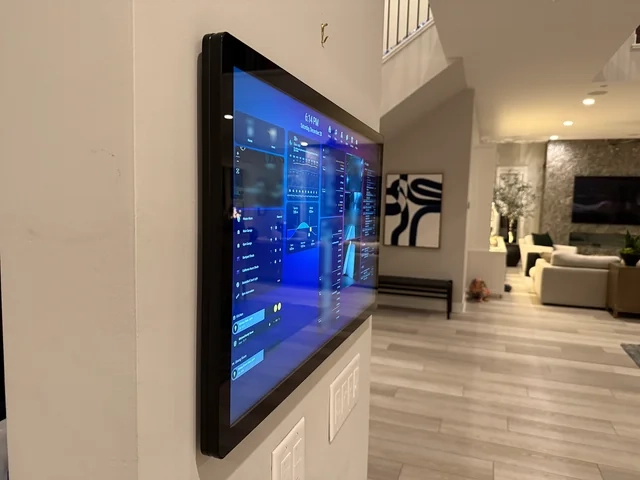
The Future of Electronic Displays in Smart Homes
Electronic displays keep changing household interactions.
Improved Visual Performance
High-resolution panels with wide viewing angles ensure visibility from multiple positions. Adjustable brightness adapts to different lighting conditions during the day.
Broader Smart Home Integration
Broader integration across living spaces includes energy management displays on various appliances. These show consumption data in real time.
Combined voice and visual interfaces improve accessibility for all household members.
Engineering for Real Home Conditions
Manufacturers focus on robust engineering for home use. Components with wide operating temperature ranges and effective sealing handle humidity, steam, and frequent cleaning cycles common in daily routines.
Energy-efficient designs with smart sleep modes match overall smart home sustainability objectives.
FAQ
What advantages do touch displays provide in smart kitchen appliances?
Touch displays enable direct interaction with internet features, custom presets, recipe access, inventory management, and real-time controls. They simplify complex operations and reduce errors.
How does differential mutual technology improve touch performance?
It cancels noise through paired signal lines. This allows amplified sensitivity for reliable input through gloves, thick protective layers, or challenging conditions without false touches.
Can displays operate reliably in humid or high-heat kitchen and laundry environments?
Yes, with appropriate sealing, wide-temperature components, optical bonding, and robust cover glass, displays maintain consistent functionality under demanding home conditions.
What customization options exist for appliance-integrated displays?
Options include touch panel types, interface selections, cable and connector modifications, cover glass thickness and shape, backlight adjustments, mounting solutions, and PCB customizations tailored to specific product requirements.
Partner with a Trusted Display Manufacturer for Your Smart Appliance Projects
Business developing next-generation smart home appliances require reliable, high-performance display solutions. These solutions integrate seamlessly into production lines.
Miqidisplay, as an established display manufacturer with over 20 years of OEM/ODM expertise, delivers custom TFT LCD, IPS, and OLED modules. It also provides advanced touch panel technologies including differential mutual sensing capabilities.
Comprehensive OEM and ODM Support
OEMs benefit from comprehensive customization services. These cover cable lengths and connectors, PCB layouts, cover glass design, optical bonding, interface adaptations, and mounting options. They meet exact appliance specifications.
Industrial-grade components ensure durability for consumer environments. They support features like glove touch, thick cover lenses, multi-touch gestures, and wide-temperature operation.
Contact for Smart Display Solutions
Contact the Miqidisplay team today to discuss volume production requirements. Request custom engineering support. Explore ready-to-integrate monitor solutions for kitchen, laundry, and other smart home applications.
Leverage proven manufacturing capabilities, strict quality control, and global certifications. These steps accelerate product development and strengthen market differentiation.
Reach out for tailored proposals that align with project timelines and technical demands.