
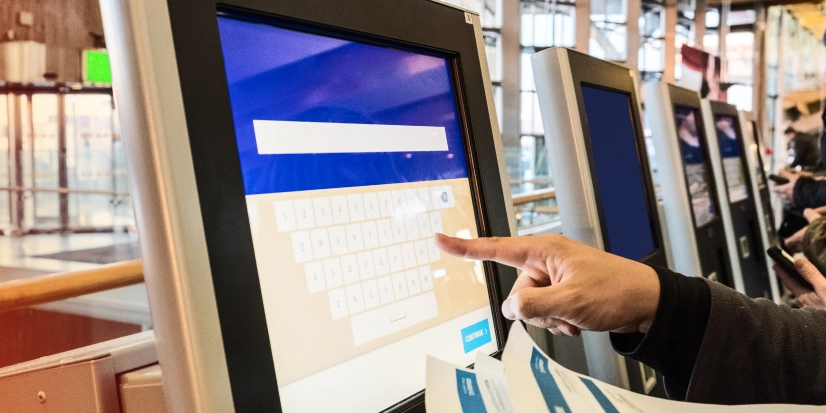
Screens used in busy public areas and digital signage face tough demands that need strong performance and toughness. From crowded city streets to outdoor spots hit by rain and sun, these displays have to show clear and attractive content while handling non-stop work and rough weather. This guide looks at the main points to think about when picking displays for these uses, beginning with a close look at what each industry really needs.
Important factors cover bright light for easy seeing, broad viewing angles for everyone, long working life, ability to handle hot and cold weather, and strong protection against damage. These features help public devices — from simple info boards to touch kiosks — stay dependable and give users a smooth experience in places full of people.
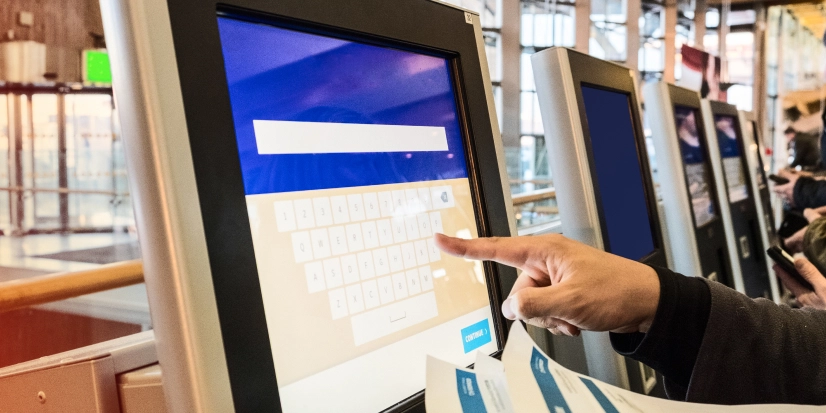
Analyzing Industry and Outdoor-Specific Requirements
Public screens, from huge digital signs to small touch terminals, work in much harder settings than normal home gadgets. They face constant changes in light, wild weather, people touching them, and never turning off. Choosing the right screen means checking things like brightness over 1000 cd/m² so content stays readable in direct sun, IPS panels that keep colors steady from any angle, and parts built to work from -40°C to +110°C. These specs make sure the screen stays visible and lasts long. They also cut repair costs and downtime in key spots like train stations, shopping malls, and EV charging stations.
The Application Overview—From Terminology to Functionality
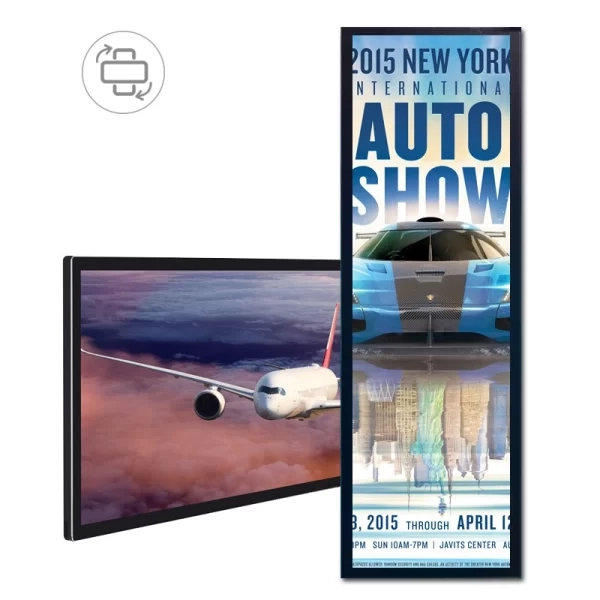
Knowing the difference between simple digital signage and full interactive public devices helps pick the best screen. Digital signage mainly sends messages one way. It shows ads, timetables, or news to people who just watch. These usually have big screens made for viewing from far away. Resolution focuses on sharp images rather than touch. You often see them at bus stops, hotel lobbies, or shop windows where the job is to grab attention and share info fast.
Public space devices go further. They add touch and two-way use. Good examples are parcel pickup kiosks, touch EV chargers, and info points in parks or malls. Here, the screen must react quickly to fingers, work with software for live updates, and handle all kinds of users — even with gloves in winter or quick taps in a rush. Both types make public life easier. Simple signage speeds up information. Interactive units help people finish tasks like finding a place or paying. In city design, they build smarter towns by cutting crowds and making services easy to reach anytime.
Brightness Requirements for Indoor and Outdoor Use
Being easy to read stays the most important part of public screens, especially where light keeps changing. Inside airports or big malls, brightness must beat normal office screens that stay around 250-300 cd/m². Public indoor spots need at least 700 cd/m² to fight strong ceiling lights and reflections. Text and pictures stay clear even when people just glance while walking past.
Outdoor use needs even more power because direct sun can make normal screens look blank. Sunlight-readable panels aim for 1000 cd/m² or more. They act like phone screens that jump to 1500-2000 cd/m² in bright light, but they keep that level all day without wasting power. Fixed outdoor screens need smart backlights and cooling systems to avoid getting too hot.
Miqidisplay’s standard IPS displays for public spaces use optical bonding to cut glare. They reach up to 1000 cd/m² and work smoothly both inside and outside.
Importance of Wide Viewing Angles in Public-Facing Applications
Public screens serve people standing anywhere, not just right in front. In busy places, viewers come from the side, above, or below. The technology must keep colors and contrast perfect up to 178° left-right and top-bottom. IPS (In-Plane Switching) panels do this job best. They avoid the color washout or inversion that cheaper TN (Twisted Nematic) panels show when looked at from an angle. TN works fine for one person at a desk, but fails when many people move around.
Good viewing angles matter a lot for direction kiosks or signs in train stations. All kinds of people — standing, sitting, or walking — need to see the same clear image. MVA (Multi-Domain Vertical Alignment) panels give similar wide angles plus deeper black levels that help outdoors.
24/7 Operation and LED Backlight Lifetime
Public screens often run without a break. Hospitals, airports, and train systems never turn them off. That puts huge stress on parts. LED backlights give the light and slowly lose strength when used at high brightness all the time. Normal industrial ones last about 50,000 hours — almost 5.7 years non-stop.
Better models reach 100,000 hours — more than 11 years — thanks to higher-quality materials and smart dimming that matches room light. Heat speeds up wear the most. Running bright creates extra warmth that drops brightness faster. Good heatsinks in the frame and smart airflow inside the case keep everything cooler and lasting longer.
Extreme Temperature Handling with High-TNI Liquid Crystals
Wide-temperature Outdoor screens fight huge temperature swings that break normal LCDs. Regular panels only work safely from 0°C to 50°C. Tougher industrial ones reach -20°C to 70°C, enough for covered areas but not open streets or far-away EV stations. The liquid crystals inside control how light passes through. Too cold and they freeze; too hot and they turn clear and scatter light.
High-TNI (Twisted Nematic-to-Isotropic) liquid crystals solve this. They stay stable from -40°C to 110°C, even when sun heats the surface close to 100°C. This lets screens work in freezing winters or burning deserts. Special drivers and strong cases keep everything in perfect shape no matter the weather. Reliable screens like these deliver important info anywhere on earth, from snowstorm warnings to route guides in hot countries.
Vandal Resistance and Touch Interaction Through Thick Protective Glass
In places with no staff watching, screens can get hit, scratched, or broken on purpose. Simple signage uses thick tempered glass — usually 3-6mm — to stop everyday bumps. Touch screens make it harder. The touch layer still has to work perfectly through that thick glass and respond to many fingers, gloves, or rain.
Strong controllers adjust for the extra glass. Special water-repellent coatings keep drops from causing errors. IP65+ ratings block dust and strong jets of water — perfect for outdoor parcel boxes. Extra metal around the edges and anti-shatter films stop big damage. All this keeps screens working longer, meets safety rules, and builds trust in public technology.
FAQ
What brightness level is recommended for outdoor digital signage?
Outdoor digital signage typically requires up to 1000 cd/m² or higher to combat direct sunlight, ensuring readability without excessive power draw.
How do wide viewing angles benefit public space displays?
Wide viewing angles, such as those in IPS panels, prevent color shifts and inversion from off-axis positions, making content accessible to diverse audiences in high-traffic areas.
What is the typical lifespan for LED backlights in 24/7 public displays?
Standard industrial backlights last 50,000 hours, but advanced models reach 100,000 hours, supporting over 11 years of continuous operation.
Why are high-TNI liquid crystals important for extreme temperatures?
High-TNI crystals maintain nematic phase stability from -40°C to 110°C, preventing image freeze or distortion in harsh outdoor conditions.
How does protective glass affect touch functionality in interactive kiosks?
Thick, tempered glass (up to 6mm) enhances vandal resistance, while optimized capacitive sensors ensure responsive touch through barriers, even with gloves or moisture.
Partner with Miqidisplay – Leading Manufacturer and Supplier for Industrial Display Solutions
As a trusted manufacturer, supplier, and factory specializing in TFT LCD, OLED, and custom display technologies, Miqidisplay delivers ready-to-use products built for public space and digital signage projects. Discover high-brightness sunlight-readable displays, wide-temperature solutions, Android-powered signage, and transparent OLED options at miqidisplay.com. For clients who need prototypes, custom work, or large orders, reach out to the sales team now at mary@miqidisplay.com or WhatsApp: +86 188 7965 2960 for a personalized quote within 48 hours and make the next project more reliable.