





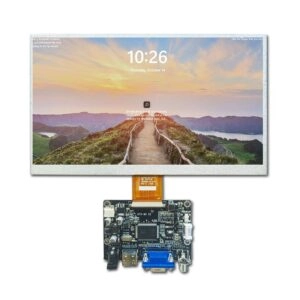
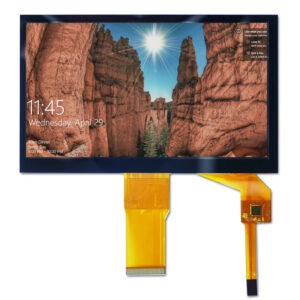




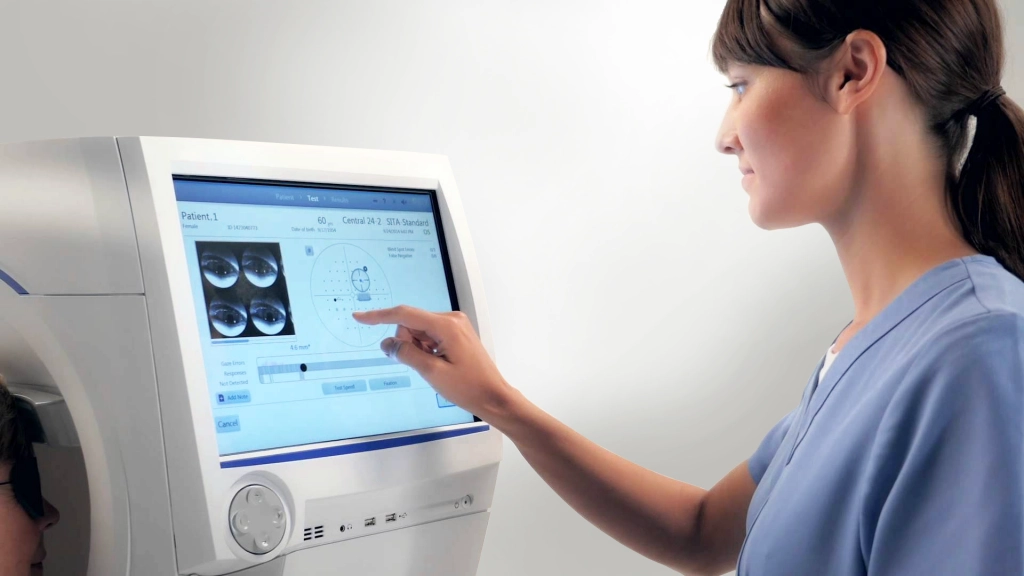
Medical touch screen displays serve as special tech built for the tough needs of healthcare places. These screens go far beyond normal home or office monitors. They focus on exact work, cleanliness, steady performance, and meeting strict safety rules. In spots from surgery rooms to test labs, medical touch screen displays allow quick touch use, clear picture viewing, and smooth fit into daily medical tasks. This helps lead to better care for patients.
Why Medical Touch Screens Are Non-Negotiable in Modern Healthcare
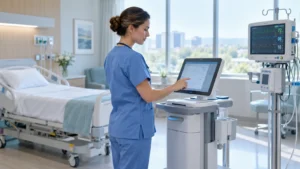
Healthcare spots work under heavy pressure. Here, exactness and quick action affect results directly. Medical touch screen displays meet these demands. They give easy, glove-friendly touch control. This removes the need for regular mice or keyboards. Surgeons can move images or pull up info during operations without breaks. Nurses update patient notes at the bedside fast.
Uses spread across many areas:
- Diagnostic Imaging: Sharp display of X-rays, MRIs, and CT scans needs steady gray tones and color truth.
- Electronic Health Records: Quick updates and easy moves improve care at the spot.
- Patient Monitoring: Steady show of vital signs gives fast warnings.
- Telemedicine: Clear interactive controls help far-away talks.
- Pharmacy and Laboratory Operations: Simple screens cut mistakes in giving meds and running tests.
The growing use of digital tools in healthcare shows why displays made just for these high-risk spots matter so much.
What Makes a Medical Display “Medical Grade”?
The label “medical grade” sets pro gear apart from everyday ones. It comes from tough design and official checks.
Main traits include:
- Hygiene-Focused Construction Smooth, often no-edge surfaces allow strong cleaning with harsh cleaners without wear. This stops germ buildup common in regular monitors with gaps.
- Exceptional Durability Strong cases and heavy-duty parts stand up to spills, bumps, and round-the-clock use in hard settings.
- Compliance with Electrical Safety Standards Meeting IEC 60601-1 guards against shock risks and signal noise. This matters for patient and staff safety. Full tests add a lot to the final cost.
- Superior Image Quality DICOM Part 14 support gives even gray shades and color truth across units. This proves key for trustworthy diagnosis.
- Specialized Functionalities Fanless builds cut dust spread and noise in quiet zones. Glove-ready touch, wide view angles, and flexible mount choices make real use easier in different medical spots.
These points make medical grade monitors a must over regular ones in healthcare.

Decoding the Jargon: Keywords You Need to Know
Knowing field terms helps pick the right options.
- Medical Panel PCs: All-in-one display-computer units that save room in surgery rooms, ICUs, and patient areas.
- DICOM: Rule set for handling medical images. It ensures clear send and show.
- Multi-touch Display: Handles many touches at once for moves like zoom or turn. This helps a lot with image work.
- Touchscreen Monitor Sizes: Go from small bedside ones to bigger sizes for group viewing.
- Medical-Grade Touchscreens: Stress clean design, tough build, and rule-following made for healthcare.
Learning these words makes checking choices easier.
What Influences Medical Touch Screen Displays Price?
Costs for medical touch screen displays change based on several things. This shows the special work put in.
- Size and Resolution: Bigger screens with 4K or better cost more because of parts and handling needs.
- Certifications and Compliance: Getting IEC 60601-1 and DICOM approval takes lots of tests. This raises prices.
- Feature Set: Extra items like glove-friendly projected capacitive touch, anti-glare layers, high brightness (up to 1000 nits for surgery view), germ-killing glass, and wide temp range add value.
- Build Quality: Heavy-duty materials, optical bonding, and strong cases give long life but increase cost.
- Customization Level: Special screens, cases, and fits for certain uses push prices higher.
In general, medical grade monitor price stays much above regular ones. Safety, steady work, and top performance drive this. The spend pays off through less downtime, better safety, and smoother daily tasks.
Finding the Best Medical Touch Screen Displays for Your Needs
Picking depends on exact needs and the setting.
Steps include:
- Define the Use Case: Surgery room needs differ from lab or bedside ones.
- Specify Size and Integration: Pick right touchscreen monitor sizes and mount ways like VESA for carts or walls.
- Evaluate Essential Features: Focus on DICOM for imaging, multi-touch for use, fanless for quiet spots, and clean extras.
- Verify Certifications: Check safety rule matches.
- Assess Long-Term Value: Look at lasting build, warranty, and full ownership costs beyond start price.
Careful check of specs and test data leads to smart picks.
The Future is Touch: Innovations in Medical Displays
New changes keep shaping this area.
Trends cover:
- Higher Resolutions and Larger Formats: Give wide views for complex info.
- Advanced Touch Technologies: Better feel and exactness for detailed jobs.
- AI and AR Integration: Possible overlays for help during procedures.
- Enhanced Connectivity: Smoother link with hospital systems.
- Remote Capabilities: Central control for upkeep and updates.
These steps strengthen the place of medical touch screen display solutions in changing healthcare.
Final Thoughts: Making an Informed Decision
Choosing good medical touch screen displays calls for weighing features, rule matches, and use needs. Focus on cleanliness, tough build, picture truth, and safety rules. This fits healthcare demands and helps smooth, trustworthy work.
Miqidisplay stands as a trusted manufacturer and supplier of premium display solutions, including LCD, TFT, OLED panels, and touch screen technologies. With over 20 years of OEM/ODM expertise, the company delivers custom medical displays featuring high brightness, antibacterial glass, wide temperature ranges, and tailored interfaces suitable for surgical monitors, diagnostic imaging, and healthcare equipment. Backed by ISO certifications, rigorous quality control, and comprehensive support, Miqidisplay provides clinician-focused, reliable solutions for demanding medical environments.
FAQ
What distinguishes medical grade monitors from regular monitors?
Medical grade monitors comply with IEC 60601-1 for electrical safety, support DICOM for imaging accuracy, feature hygienic designs for disinfection, and offer durability for continuous use, unlike consumer monitors.
What factors most affect medical touch screen displays price?
Key influences include size, resolution, certifications, advanced features like high brightness and glove-compatible touch, build materials, and customization options.
Why is DICOM compliance important in medical displays?
DICOM Part 14 ensures consistent grayscale and color reproduction across devices, critical for accurate diagnostic interpretation.
Are medical touch screen displays suitable for gloved operation?
Many incorporate projected capacitive or specialized touch technologies designed for responsiveness with medical gloves.
What future trends are emerging in medical displays?
Innovations include higher resolutions, AI/AR integration, improved connectivity, and enhanced remote management capabilities.
Partner with a Leading Medical Display Manufacturer and Supplier
For requirements in medical touch screen displays, custom solutions, or specialized LCD/TFT/OLED panels tailored to healthcare applications, reach out to experienced professionals. As a dedicated manufacturer and supplier, options include high-brightness surgical monitors, hygienic touch integrations, and clinician-centered designs that meet stringent standards. Contact the team today to discuss project specifications, request quotes, or explore OEM/ODM collaboration for reliable, high-performance display solutions in medical environments.