





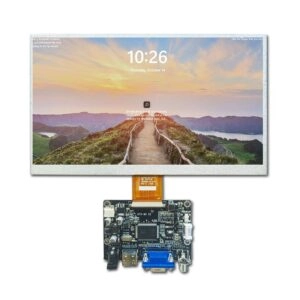
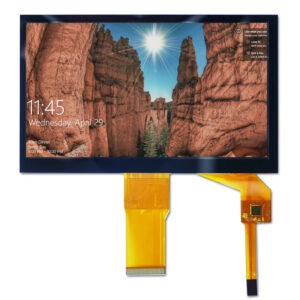
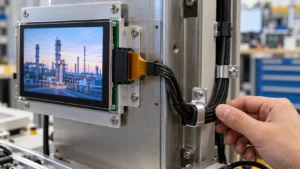





IPS (In-Plane Switching) display technology forms a key part in current LCD panel growth. It fits well for tasks that need strong color match, broad sight angles, and steady work. As a type of TFT LCD technology, IPS displays do well in cases where picture steadiness counts from various sight spots and settings. This makes IPS panels a top choice in industrial automation, medical equipment, automotive interfaces, and other pro fields.
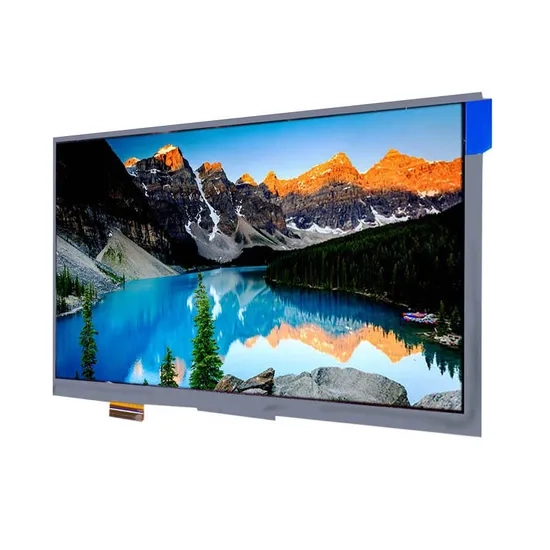
What is IPS Display Technology and How It Works in LCD Panels
IPS display technology is part of the TFT LCD group. In it, thin-film transistors handle single pixels for better picture quality. The main trait of IPS is that liquid crystal bits line up side by side to the glass bases. This differs from the twisted up-down setup in older TN panels. Such side-by-side order lets crystals turn in the same level when power hits. As a result, light passes more evenly through color filters and the backlight.
This setup keeps color and brightness changes small. It works even at sharp side views. Normal sight angles hit up to 178 degrees side to side and up and down. Color shifts or brightness twists stay tiny. The even backlight joins this setup to make firm pictures. This matters in places with many watchers or changing light.
History of IPS Displays and In-Plane Switching Panels
IPS technology came out in the mid-1990s. Hitachi worked on it to fix weak spots in TN panels. Those included tight sight angles and wrong colors. First IPS tries bettered these problems. But early types had issues with low contrast and slow reply speeds. Later steps improved electrode shapes. They also bettered liquid crystal stuff and tuned backlights. This led to stronger contrast levels, less power use, and quicker changes fit for moving content.
Over the years, IPS has grown main in pro-level gear. Manufacturers have built on types like advanced fringe-field switching (AFFS) and bettered IPS. These give even stronger work in special areas.
How Does an IPS Display Work?
An IPS display runs in the usual LCD setup. A backlight lights liquid crystals. Those sit between light-directing filters and color layers. Power use turns or shifts crystals to change light flow and make colors. In IPS, the side lineup and side turns keep even light direction across angles. This differs from TN’s up-down turn that leaks light and shifts colors from the center.
This plan gives steady light strength and color tone. Such traits are key for tasks needing exact checks or safe work. High-light types also aid reading in bright surroundings. Broad-heat specs keep work in tough spots.
Key Advantages of IPS Panels
IPS panels offer a few main gains that set them apart in hard use cases:
- Strong Color Match: Even color show across the range backs color-key tasks.
- Broad Sight Angles: Up to 178 degrees with small drop in color or contrast.
- Steady Work: Firm brightness and contrast in changing light or group-watch cases.
- Long-Lasting Strength: Many factory-grade IPS displays reach 50,000 to 70,000 hours of run time.
- Better Trust: Strong hold against setting factors when mixed with custom adds like optical bonding or guard layers.
IPS Display vs TN and VA Panels: A Technical Comparison
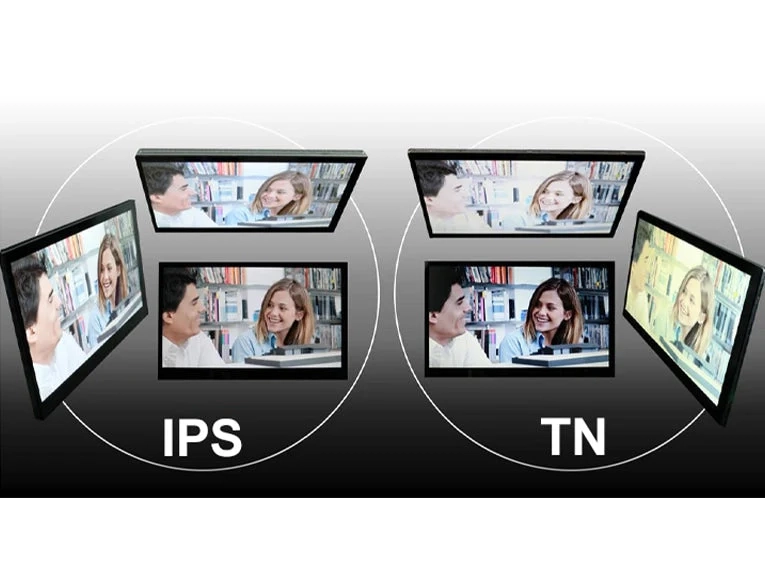
IPS, TN, and VA make the main LCD technologies. Each has its own traits.
IPS does best in color truth and sight angles. It gives even work fit for shared or side views. TN has the quickest reply times and lowest price. But it gives up on angles and colors. This limits it to simple tasks. VA gets higher contrast and deeper darks for better night-scene details. Yet it shows slower changes and tighter real angles than IPS.
In pro and factory settings, IPS hits a good mix for trust and sight quality. It beats TN’s speed gains or VA’s contrast power when steadiness and truth come first.
Common Applications of IPS Displays
IPS technology sees wide use in many fields:
- Industrial Control Panels: HMIs and automation links gain from broad-angle reading and strength in factory spots.
- Medical Devices: Check monitors and patient links need exact colors and firm views for right reads.
- Automotive Interfaces: Dashboards and in-car displays use broad-heat IPS for steady work in mixed settings.
- Smart Home and IoT Devices: Wall-fixed controls and tools make use of IPS for even sight from varied spots.
- Outdoor and High-Brightness Signage: Types with raised nit levels make sure of clear reads in sun light.
How to Identify an IPS Screen
IPS screens show small color or brightness changes when seen from the side. Pictures stay bright and even from edge angles. There is no clear fade. Next to TN choices, IPS gives fuller, truer colors and even light over the whole panel.
IPS Display vs TFT LCD: What’s the Difference?
TFT LCD means the active-matrix build with transistors for pixel handle. IPS makes a certain TFT kind tuned for better light traits through its side crystal lineup. Talks of IPS vs TFT often point out IPS as the top step from TFT. It offers better sight and color parts for special uses.
Advanced Features in Modern IPS TFT Displays
Current IPS TFT items add high-light levels (700–1000 nits or more) for outside or straight-light sight. They have broad work heat ranges (-30°C to 80°C in some models). They also offer varied links like LVDS, MIPI, RGB, and eDP. Touch add-ons such as capacitive or resistive bring action. Custom parts back set clearness from tiny 0.96-inch screens to bigger 13.3-inch panels.
These parts allow fit fixes for car-fixed systems, factory HMIs, and smart tools. They make sure of match and work in aimed settings.
Why IPS Displays Excel in Embedded and Industrial Systems
Designers pick IPS for built-in tasks due to its top mix of sight steadiness, long life, and fit power. In control setups or check tools, broad angles stop wrong reads from side spots. Strong build backs nonstop run. Next to normal TFT or TN, IPS keeps work under push. This cuts mistakes and boosts safety.
Conclusion
IPS display technology keeps setting standards for tasks that put image truth, angle freedom, and work trust first. Its growth has made its spot firm in pro, factory, and medical fields. There, even pictures push work speed and exactness. Picking IPS brings long value through top work across hard settings.
Frequently Asked Questions (FAQ)
What is IPS display technology?
IPS, or In-Plane Switching, is an LCD technology utilizing parallel-aligned liquid crystals for wide viewing angles and accurate color reproduction.
What does IPS mean on a monitor?
IPS indicates the panel employs In-Plane Switching for uniform brightness, color, and contrast regardless of viewing position.
Is IPS better than VA or TN?
IPS surpasses TN and VA in color accuracy and viewing angles; VA offers higher contrast, while TN provides faster response at lower cost.
What is IPS LCD used for?
IPS LCDs serve industrial control panels, medical monitors, automotive displays, smart home interfaces, and outdoor signage.
What is the difference between IPS and TFT displays?
IPS is a specialized TFT subtype with improved optical properties for better angles and colors.
Partner with a Trusted IPS Display Manufacturer and Supplier
For partners seeking reliable IPS TFT displays, Miqidisplay stands ready as a premium display manufacturer and one-stop solution provider. With over 20 years of OEM/ODM expertise, the company delivers high-quality custom TFT LCD, IPS, and related solutions tailored to industrial, medical, automotive, and IoT requirements. From standard IPS TFT panels with wide viewing angles and high brightness to fully customized modules—including touchscreen integration, interface adaptations, and environmental enhancements—Miqidisplay ensures precision engineering and dependable supply. Contact the expert team to discuss project specifications and explore tailored display options that align with specific application demands.