


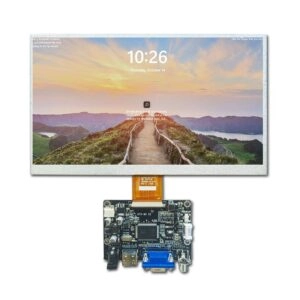
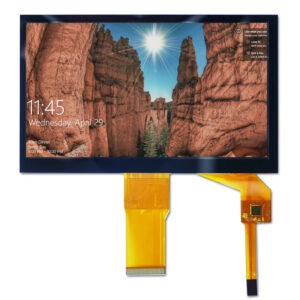
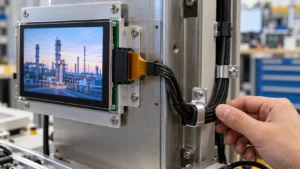


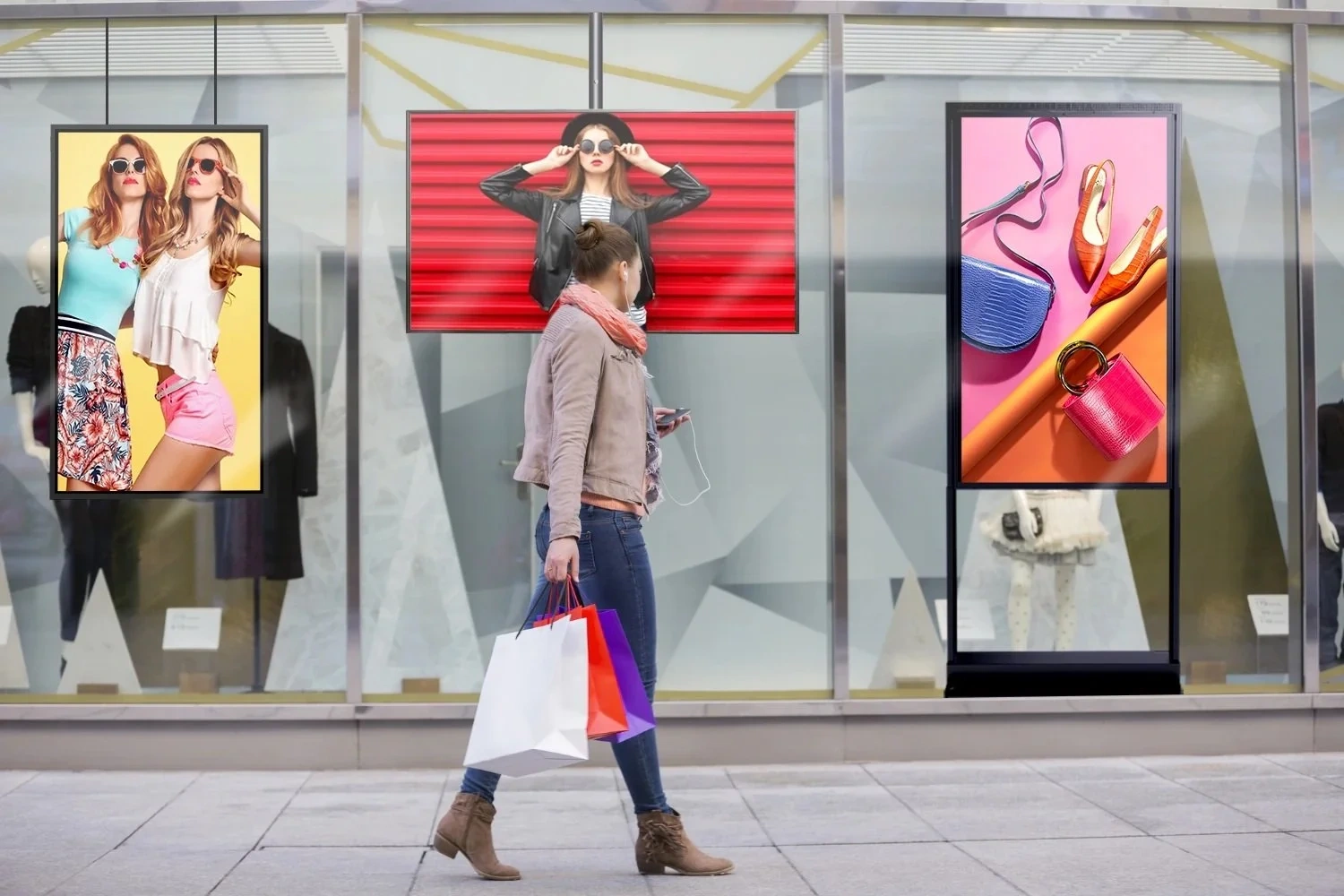
Sunlight readable displays represent an important step forward in LCD and TFT technology. They provide clear and high-quality images in places with very strong outside light, such as direct sunlight. These displays solve common problems that normal screens face. Glare, reflections, and low brightness often make standard screens hard to see and use. Makers and system builders in fields like automotive, industrial, marine, and outdoor equipment now choose sunlight readable solutions more often. They do this to get steady performance in different lighting situations.
The need for sunlight readable displays keeps growing as uses spread into tough or changing environments. Strong backlights, special optical improvements, and solid build quality work together to keep pictures sharp. They do this without using too much power or making extra heat. Knowing the main features of these displays helps buying teams and product makers pick parts that fit their project needs for strength, clear view, and easy setup.
 Optically Bonded Glass
Elimination of Air Gap and Internal Reflections
In normal LCD or TFT setups, an air space sits between the cover glass or protective layer and the panel below. This space creates several surfaces where light can bounce back inside. The bounces lower contrast and create glare that makes images fade in bright conditions. Optical bonding puts a thin layer of strong industrial adhesive between the layers. The adhesive has matching refractive indices. It removes the air space completely.
Improved Contrast Ratio and Image Sharpness
The bonding step cuts down inside reflections and lets more light pass through. Because of this, contrast ratios go up a lot. Text, graphics, and video look sharper even in strong sunlight. This change keeps the shown content easy to read. It avoids color changes or loss of fine details.
Enhanced Mechanical Stability and Environmental Protection
Optical bonding also adds better mechanical strength. The adhesive layer gives extra defense against shaking, sudden hits, and water entry. In vehicle-mounted or industrial equipment uses, this build lowers the chance of layers coming apart or fog forming later. Makers often mix optical bonding with special cover glass choices. These include different thicknesses or special coatings for exact application needs.
High Brightness Levels and Adjustability
Elevated Backlight Output for Direct Sunlight Conditions
Brightness levels form the main ability of sunlight readable displays. Normal indoor displays usually work in the 250-500 nit range. This level is not enough when they must compete with direct sunlight that goes over 10,000 lux. Sunlight readable models use improved LED backlights that reach 600 nits, 1000 nits, or higher. Some reach up to 1200 nits.
Precise Brightness Control and Power Efficiency
These higher brightness outputs make sure the shown content stays visible and clear. New backlight designs allow exact control over light strength while keeping even lighting over the whole screen. Many versions support automatic or manual brightness changes through sensors or control commands. This helps manage power use based on the light around them.
Operational Flexibility Across Lighting Changes
The ability to adjust gives more flexible use. In automotive consoles or outdoor industrial HMIs, displays may meet quick shifts from shaded areas to full sunlight. High-brightness systems with good power control stop fast battery use in portable setups or cut energy costs in fixed setups. Wide dimming ranges also allow nighttime or low-light work without eye strain or glare for users.
Daylight Visibility
Consistent Performance with Wide Viewing Angles
Daylight visibility includes more than just raw brightness. Sunlight readable displays keep good performance in many lighting situations through better panel technologies such as IPS. These give wide viewing angles and improved color quality. The panels show steady image quality from straight ahead or from side angles. This matters a lot in places with several users, like control rooms or vehicle dashboards.
High Contrast and Color Vibrancy in Bright Environments
High contrast ratios work with brightness to create deep blacks and bright colors that stand out against light backgrounds. Anti-reflective surface treatments also lower outside glare from sunlight or man-made lights. The mix lets users read important information. Examples include navigation data, equipment status, or monitoring numbers. They can do this without squinting or moving around.
Reliable Readability in Variable Outdoor Applications
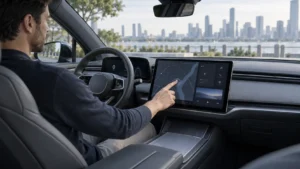
Uses in vehicle LCD panels show this ability well. Models with 1000-nit brightness and wide temperature operation keep things readable during daytime driving or in outdoor machines. Industrial displays gain the same benefit. They support work in factories, warehouses, or field equipment where light changes during the day. The outcome is better safety, higher output, and improved user experience in professional settings.
Dust and Waterproof
High Ingress Protection Ratings for Harsh Environments
Protection from the environment stands as one of the needed features of sunlight readable displays made for outdoor or tough use. Dust bits, moisture, and water can get into normal setups. This leads to inside damage, shorter life, or total failure. Sunlight readable solutions use sealing methods and protective steps that reach high ingress protection ratings. They often meet or go past IP65 or IP67 standards.
Sealing Technologies and Conformal Coatings
Conformal coatings, special gaskets, and sealed cases stop dust and water from reaching sensitive electronic parts. Wide operating temperature ranges—from as low as -30°C to +85°C in some models—add more reliability in extreme weather. These features make the displays right for marine, automotive, or heavy industrial environments.
Extended Product Lifespan and Reduced Maintenance
These protective features make the product last longer and cut down on upkeep needs. In outdoor digital signage, farm machines, or military-grade equipment, displays must handle rain, dust storms, or fast temperature changes. They still give readable information. Custom setup choices, including special connectors or extra mounting parts, let system builders make fully sealed solutions that fit exact installation needs.
Strong Anti-Reflection Properties
Multi-Layer Optical Coatings to Minimize Glare
Anti-reflection features finish the visibility picture for sunlight readable displays. Even with high brightness, outside reflections from cover glass can hide content in bright conditions. Makers put multi-layer optical coatings or films on the top surface to cut down specular and diffuse reflections.
Light Management and Preservation of Image Quality
These treatments spread or take in incoming light instead of letting it bounce back to the viewer. When used with optical bonding, the full stack gets better light control. It sends more of the backlight output toward the user while blocking outside interference. Anti-reflection improvements keep color accuracy and sharpness without adding haze or changes.
Long-Term Optical Performance and User Comfort
In high-glare places—such as vehicle windshields that reflect sunlight or outdoor control panels—the difference shows right away. Users feel less eye tiredness during long use. This helps better decisions in important tasks. Other design points include surface hardness to fight scratches and easy-clean coatings for care in dusty places. These features make sure the display keeps its optical performance during its full service life.
Sunlight readable displays bring together several technologies to beat lighting problems that affect normal LCD and TFT panels. High-brightness backlights give the base. Optical bonding, anti-reflection coatings, and strong sealing provide full performance in hard conditions. Wide temperature operation and custom interfaces increase setup choices across industries.
Makers and suppliers gain from getting displays with these checked features to meet project details for outdoor visibility and strength. Selection steps should check brightness ratings, bonding methods, protection levels, and fit with current systems to reach the best results.
Conclusion
Business looking for reliable sunlight readable display components or full custom integration solutions should contact a proven display manufacturer. Miqidisplay gives complete support, from early project talks and fast prototyping to large production and worldwide delivery. Customization choices cover backlight tuning for high brightness, optical bonding, touchscreen integration where needed, interface changes, cover glass details, and environmental protections to match exact application needs.
Teams can ask for detailed quotes, technical specifications, or engineering checks by reaching the sales department. With facilities focused on exact manufacturing and strict multi-stage quality checks, Miqidisplay makes sure of on-time delivery and stable supply for continuing production needs. Reach out today to talk about specific sunlight readable display requirements and see how custom-engineered solutions can improve product performance in bright or difficult environments.
FAQ
What minimum brightness level makes a display sunlight readable?
Displays with 600 nits or higher usually count as sunlight readable, with 1000 nits or more suggested for direct sunlight exposure in tough outdoor applications.
Are sunlight readable displays available with touch functionality?
Many setups support capacitive or resistive touch integration, though some high-brightness industrial and vehicle models focus on non-touch designs for maximum reliability.
What industries commonly use sunlight readable TFT LCD displays?
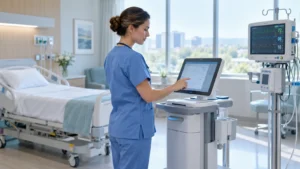
Automotive consoles, industrial HMIs, marine equipment, agricultural machinery, outdoor signage, and medical devices in changing lighting conditions form main application areas.
How do wide temperature ranges benefit outdoor deployments?
Operating ranges from -30°C to +85°C let displays work steadily in extreme heat, cold, or quick temperature shifts common in field or vehicle environments.
Can custom dimensions or shapes be produced for sunlight readable displays?
Yes, manufacturers offer customization for bar-type, round, stretched, and other non-standard formats along with specific resolutions and interfaces to fit unique enclosure designs.