





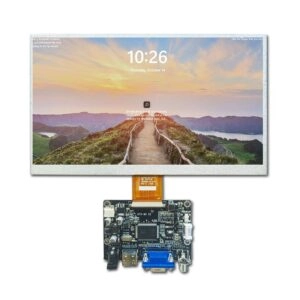
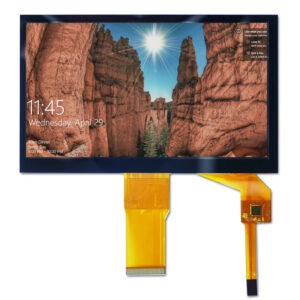

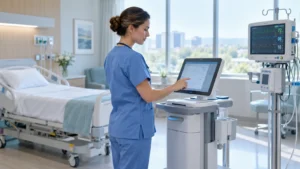

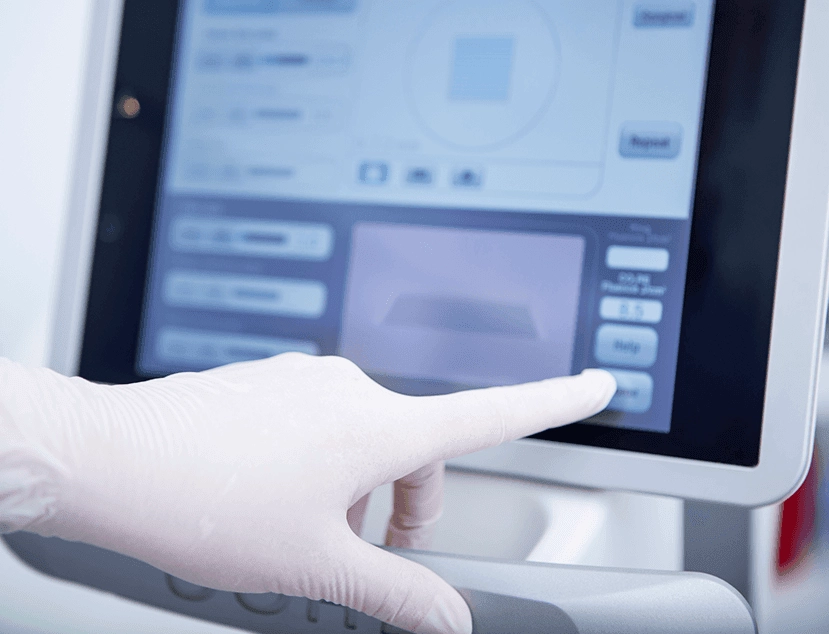
Touch screen technology has made a big difference in the world in recent years. It used to seem like something from science fiction. Now it forms a key part of daily life. One field that cannot work as well without this technology is the healthcare sector. Touchscreen consoles sit at in-patients’ bedsides. Check-in kiosks appear at GP surgeries. Touchscreen tech helps deliver a good healthcare experience. Healthcare providers adopt these interactive solutions more and more. They do this to raise operational efficiency, lift patient satisfaction, organize staff workflows, and meet hygiene and data standards. The following sections explore five key ways touch screen technology benefits healthcare organizations.
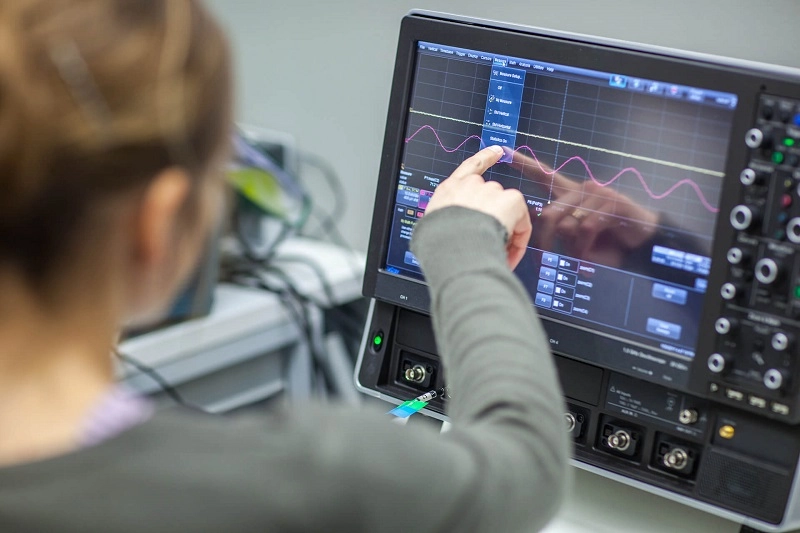 1. Improving the patient experience
As a healthcare professional, the patient experience likely appears high on the list of concerns. The right technology can improve the way a patient feels about their hospital or GP visit a lot. This change can ease a number of healthcare workers’ worries. So how can touch screen technology help?
Apprehensive patients and hospital navigation
Many patients feel nervous about visiting a doctor. This feeling grows stronger for in-patients in a hospital. If a patient feels lost and worried upon arriving at a large hospital complex, wayfinding technology at the entrance or reception can make moving around the facility much easier. Interactive maps with responsive touch controls show real-time directions. Department locators and appointment reminders cut down confusion. These tools also shorten the time spent finding the right place.
Bedside touchscreens for mental wellbeing
Once the patient settles into their bay or room, touchscreens by the bedside prove very useful in improving a patient’s mental wellbeing. Patients can reach entertainment options. They can stream content. Or they can contact friends and relatives through secure video calls or messaging features. These options help fight feelings of isolation during long hospital stays. They also give patients a stronger sense of control over their surroundings.
Displaying medical imagery in outpatient settings
The technology helps outside the hospital too. In a GP or outpatient setting, touchscreens can show medical imagery quickly and easily for the patient. A medical professional can zoom in. They can pull up records. They can access test results without bulky hardware. They can point to and circle relevant sections on the screen. This action makes things clearer for the patient. As a result, the patient gains a better understanding of their care pathway.
Beyond these points, bedside and consultation touch interfaces link with electronic health records. They let patients view progress notes or upcoming procedures in easy-to-understand formats. In emergency departments, self-service touch kiosks speed up registration. They still keep privacy. Together, these uses turn passive waiting into active participation. They often lead to higher patient satisfaction scores and better adherence to care recommendations.
2. Providing greater accessibility
For patients and staff with extra needs, touchscreen technology can improve the way they interact with healthcare services in a big way. Here is how it can help.
Overcoming language barriers
Staff meet patients who feel more comfortable speaking in a language other than English. This happens in any size of healthcare venue. A touchscreen device lets users pick the language they know best. They then receive instructions they can understand easily. The same technology also aids people with lower literacy levels. It uses clear symbols, graphics, and pictures. These elements simplify processes without heavy reliance on complex text.
Physical accessibility
Most touchscreens sit on mounts. These mounts can tilt and angle to fit the needs of patients with physical access issues. Ergonomic adjustments help wheelchair users. They also assist individuals with limited mobility or those recovering from surgery. This setup ensures comfortable interaction with little staff help.
Sight impairment
Patients with visual impairments often do better with a touchscreen than with traditional written forms. They can raise brightness and text size. Or they can choose to have the text read aloud through built-in audio features. High-contrast modes and clear fonts improve readability in different hospital lighting conditions.
Hearing loss
Patients with hearing loss may hesitate to approach an employee for information. A touchscreen lets them get all the information in a visual way. They use clear text, diagrams, and animated instructions. This independence lowers communication barriers. It also improves information flow.
Additional accessibility features include multi-touch gestures for users with reduced dexterity. They also cover compatibility with assistive devices. In pediatric or geriatric departments, larger touch targets and simpler interfaces fit different motor and cognitive abilities. These changes help facilities deliver truly inclusive care.
3. Touchscreens provide superior data protection
Privacy and personal data protection have turned into important topics in many industries in recent years. Yet nowhere does confidentiality matter more than in healthcare. All patients want privacy when they discuss health conditions. A touchscreen helps keep sensitive information safe.
Avoiding verbal sharing of sensitive information
A touchscreen means patients do not need to share or explain information that may feel private out loud. They can enter or review details on screen in private. This approach cuts the risk of unintended disclosure in busy reception areas or shared wards.
Enhanced device security
A touchscreen device offers better security. Passwords and PIN codes can lock touchscreen devices. These steps stop unwanted people from reaching personal data. The built-in stand-alone design removes the need for extra keyboards, mice, or external screens. Those extra parts could open doors to physical tampering or cyber threats.
Reduced vulnerabilities from fewer peripherals
Fewer connected components mean fewer entry points for security breaches. In multi-user clinical settings, quick session logouts and role-based access controls protect records during shift changes. Encrypted transmission and audit logging support compliance with strict data protection regulations. These features also build patient trust.
 4. Touchscreens enhance ease for employees
Various studies have shown the value of high staff engagement. In a hospital setting, a committed and engaged workforce improves staff retention rates. It can also create a positive effect on patients. Touchscreens raise engagement levels of staff in several ways.
Smoother and more effective communication
First, they make communication smoother and more effective. In the hospital environment, staff need to access important medical information quickly. Traditional record-keeping makes this hard because of overlapping shifts and frequent staff changes. A handheld or mounted touchscreen device can pass vital information right away. This includes medical history and care records between staff members. It frees up time. Staff can then focus on direct patient care.
Clearer digital notes and prescriptions
Doctors sometimes have poor handwriting. A prescription or medical note typed on a touchscreen device reads much clearer than handwritten notes. This clarity lowers risks of miscommunication during handovers and pharmacy processing.
Reliable performance in clinical conditions
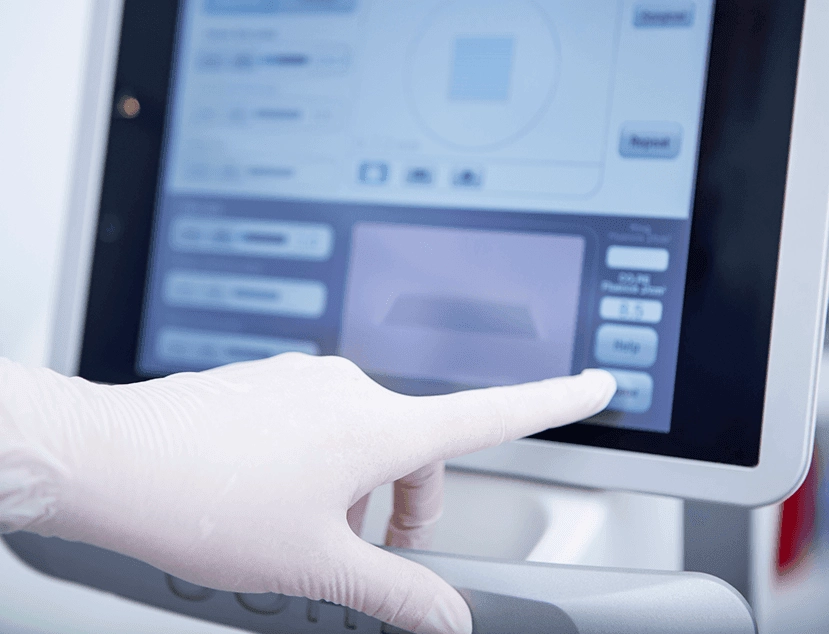
Many industrial-grade touchscreen solutions handle tough clinical conditions well. Capacitive touch stays responsive even when staff wear gloves. Fanless and rugged designs resist frequent cleaning with hospital-grade disinfectants. These features ensure reliable 24/7 operation. They do not interrupt workflows.
Integration with hospital systems lets staff update observations, test orders, and alerts quickly. Intuitive interfaces need minimal training. They lower cognitive load and help reduce staff burnout.
5. Touchscreens are cost-effective
Any discussion of the benefits of touchscreens in a healthcare setting should mention that they also prove highly cost-effective. An initial cost exists, of course. Yet the investment pays off over time.
Smaller size and reduced errors
Touchscreen devices take up less space. They work more efficiently. They also encounter fewer errors. Their integrated, stand-alone design cuts reliance on external hardware such as mice and keyboards. Those parts need regular replacement and updating. This change lowers ongoing maintenance and inventory costs.
Durability and long lifespan
Durable industrial construction stands up to heavy daily use and repeated disinfection. Long operational lifespans and energy-efficient components reduce electricity use. They also limit downtime for repairs. Customization options let facilities choose exact requirements. This avoids unnecessary features and optimizes budget allocation.
Savings from error reduction
Intuitive interfaces cut errors. Fewer data entry mistakes lead to less rework, fewer delayed procedures, and lower compliance risks. Over time, these advantages add up to a strong return on investment across departments or multiple sites.
Conclusion
Healthcare equipment manufacturers, medical device suppliers, and system integrators seeking advanced touchscreen display solutions should partner with an experienced industrial display manufacturer and supplier. Miqidisplay provides comprehensive custom solutions for industrial monitors, x86 panel PCs, TFT LCD displays, and color OLED options featuring antibacterial glass, high-brightness panels, capacitive touch technology, and durable designs optimized for healthcare durability and performance. Whether developing bedside terminals, wayfinding kiosks, surgical monitors, or integrated medical stations, the company supports B2B clients with professional R&D, rapid prototyping, strict quality control, and global delivery capabilities. Contact the Miqidisplay team today to discuss project specifications, request technical details, or obtain competitive quotations for OEM/ODM production. Collaborate with a trusted display manufacturer and supplier to integrate reliable touch screen technology that strengthens healthcare solutions and drives operational excellence.
FAQ
What types of touch screen displays are suitable for hospital bedside and clinical environments?
Industrial capacitive touch monitors and x86 panel PCs with durable, easy-to-clean surfaces and fanless operation perform reliably in patient rooms and medical settings.
What customization options are available from a display manufacturer for healthcare projects?
Options include antibacterial glass, up to 1000 nits high-brightness surgical panels, custom enclosures, specific touch technologies, interface modifications, and tailored sizes to match clinical workflows.