







TFT LCD (Thin-Film Transistor Liquid Crystal Display) technology has changed the field of visual displays. It powers items from smartphones to big-screen televisions and industrial gear. This blog looks at the past and growth of TFT LCD technology. It points out main steps and new ideas. It also checks how progress keeps pushing uses in many fields.
Understanding TFT LCD Technology
What is TFT LCD?
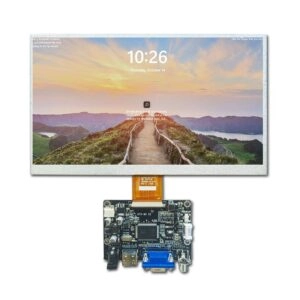
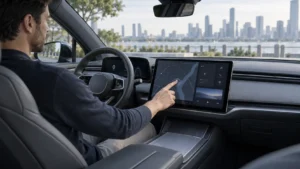
TFT LCD technology uses a thin-film transistor to manage single pixels. It gives better picture quality than old passive-matrix LCDs. The active matrix way allows quicker refresh speeds. It also supports stronger color match and higher clearness levels. Thus, TFT LCDs serve as a top pick for current displays in consumer electronics, automotive systems, medical devices, and industrial controls.
Key Components of TFT LCD
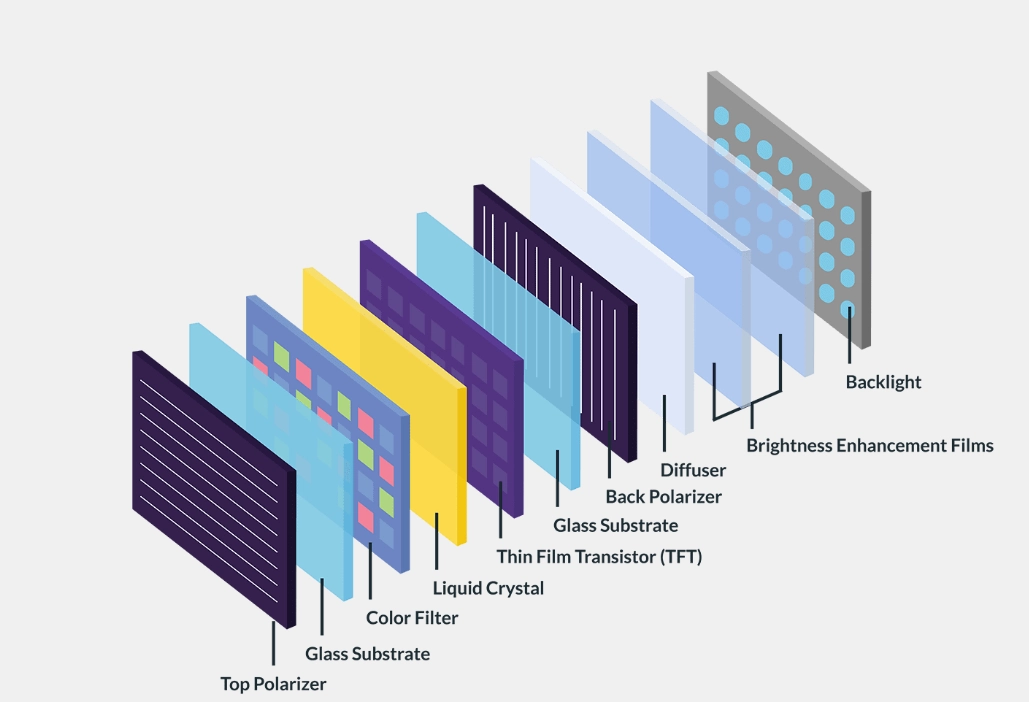
- Liquid Crystals: The main part, liquid crystals shift position when electrical signals hit. This changes light flow to form pictures.
- Thin-Film Transistors: These work as switches for each pixel. They handle voltage with care to set brightness and color. As a result, they create clear and quick sights.
- Backlight: TFT LCDs need a backlight source. This is often LED-based. It lights the display since liquid crystals cannot make light on their own. New backlights allow high brightness for outside views.
- Color Filters and Polarizers: These parts make sure of true color show and light direction for best contrast and sight angles.
The Milestones in TFT LCD Technology
The Birth of LCD Technology
The base of TFT LCD goes back to the 1960s. That is when liquid crystal displays first came about. Early LCDs worked mostly in passive mode. This kept them to low-data tasks like calculators and digital watches. The reason was slow reply times and weak contrast.
Introduction of TFT Technology in the 1980s
A key turn came in 1988. That year saw the first useful TFT LCDs. This active matrix step fixed old problems. It added transistors at each pixel. The result was much better reply times, less mix-up between lines, and stronger picture quality. These steps allowed bigger, more useful screens for computers and new television uses.
The 1990s: Widespread Adoption
In the 1990s, TFT LCD technology gained wide use. Build changes cut costs. Funds in making grew output. TFT displays showed up in laptop computers. This set the base for mobile computing. Desktop monitors moved from heavy CRTs to thin TFT panels. Those offered power savings and room gains.
Advancements in Resolution and Color Depth
The early 2000s put stress on higher clearness and wider color sets. High-definition (HD) and Full HD displays turned common. They gave sharper details and brighter sights. Ideas like Wide Color Gamut (WCG) grew color ranges. This boosted work in photos, video changes, and pro tasks. IPS types of TFT came out to better sight angles and color steadiness over old TN panels.
The Emergence of Touchscreen Technology
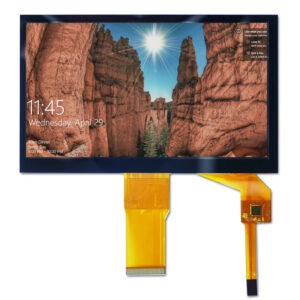
Adding projected capacitive and resistive touch layers to TFT LCDs changed user action in the late 2000s and 2010s. Smartphones and tablets took quick touch TFT displays. These allowed natural moves and multi-touch skills. This change sped use in consumer items. It also spread to industrial HMIs, kiosks, and medical links.
Advancements in Viewing Angles and Panel Types
From TN to IPS and Beyond
Early TFT LCDs often used Twisted Nematic (TN) panels. These gave fast reply but tight sight angles and color changes. In-plane switching (IPS) technology got better in the 1990s. It grew known later. IPS lines up liquid crystals side to side for top sight angles up to 178 degrees. It also gives true colors and steady output. This fits pro and group settings. Types like advanced high-performance IPS cut reply times more. At the same time, they keep these gains.
High-Brightness and Ruggedized Displays
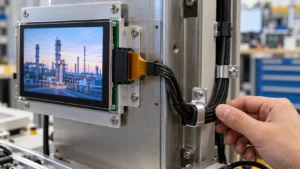
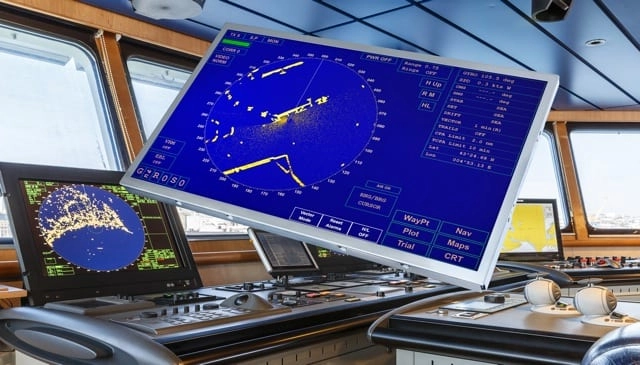
Factory and outside tasks pushed growth in high-brightness TFT LCDs. These reach 1000 nits or more. They use anti-reflective layers and optical bonding. Wide-temperature ranges like -30°C to 85°C hold up. Tough traits such as conformal coatings make sure of trust in hard spots. Examples include automotive dashboards and factory floors.
The Emergence of Specialized Formats
Bar-type, round, and stretched TFT LCDs grew choice in design. These odd shapes back special tasks in digital signage, wearables, smart tools, and automotive groups. They mix TFT accuracy with new shapes.
Future Trends in TFT LCD Technology
Enhanced Resolution and Refresh Rates
Need for very high clearness like 4K, 8K, and more stays strong. Higher refresh rates such as 120Hz+ also grow. These make smoother moves in games, virtual reality, and pro video. Such changes boost sharpness and cut motion blur in active content.
Hybrid Approaches with Emerging Technologies
TFT LCDs hold main spot due to low cost and trust. Mixes with Mini-LED backlighting better contrast and spot dimming. This fills gaps to OLED-like work. Manufacturers keep improving TFT for mixed fixes that match strong points.
The Rise of Flexible and Specialized Displays
Bendable TFT LCD types allow curved and fit screens for wearables and new tools. Current study aims at power savings, green ways, and mix with touch and sensor ideas. This backs new IoT and smart surface tasks.
Conclusion
The growth of TFT LCD technology shows steady new work from simple liquid crystal thoughts in the 1960s to smart active matrix displays now. Each step has grown chances for sight output, lasting power, and use range.
Miqidisplay stands as a leading TFT LCD manufacturer and supplier, with over 20 years of OEM/ODM expertise in Shenzhen and Hangzhou. The company delivers high-quality custom TFT LCD, IPS, OLED, and touch solutions certified to TS-16949, ISO-9001, and ISO-14001 standards. Serving industries including automotive, medical, industrial, and smart devices, Miqidisplay provides one-stop professional solutions with 90% on-time delivery to over 200 countries.
FAQ
What is the main difference between TFT LCD and traditional LCD?
TFT LCD uses an active matrix with thin-film transistors for each pixel, enabling faster response, higher refresh rates, and better image quality than passive-matrix LCDs.
How has IPS technology improved TFT LCD displays?
IPS enhances viewing angles, color accuracy, and consistency compared to TN-based TFT panels, making it suitable for applications requiring wide perspectives and precise colors.
What industries benefit most from modern TFT LCD advancements?
Automotive, medical, industrial control, smart appliances, and digital signage rely on TFT LCDs for reliability, high brightness, wide temperature operation, and customization.
Are custom TFT LCD solutions available for specific projects?
Yes, customization covers size, interface, touch integration, brightness, temperature range, and mounting options to meet unique B2B requirements.
Partner with a Trusted TFT LCD Manufacturer and Supplier
Clients seeking reliable, high-performance display components benefit from collaborating with an established TFT LCD manufacturer like Miqidisplay. With extensive OEM/ODM capabilities, custom engineering support, and a comprehensive portfolio of TFT LCD, IPS, and OLED displays, Miqidisplay delivers tailored solutions for demanding applications. Contact the team today to discuss project specifications, request samples, or explore volume production options for enhanced product integration and market success.