





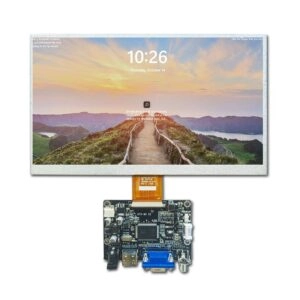
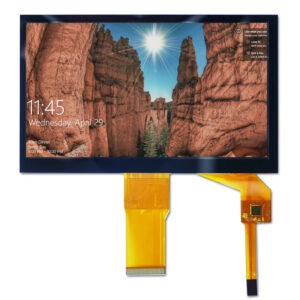

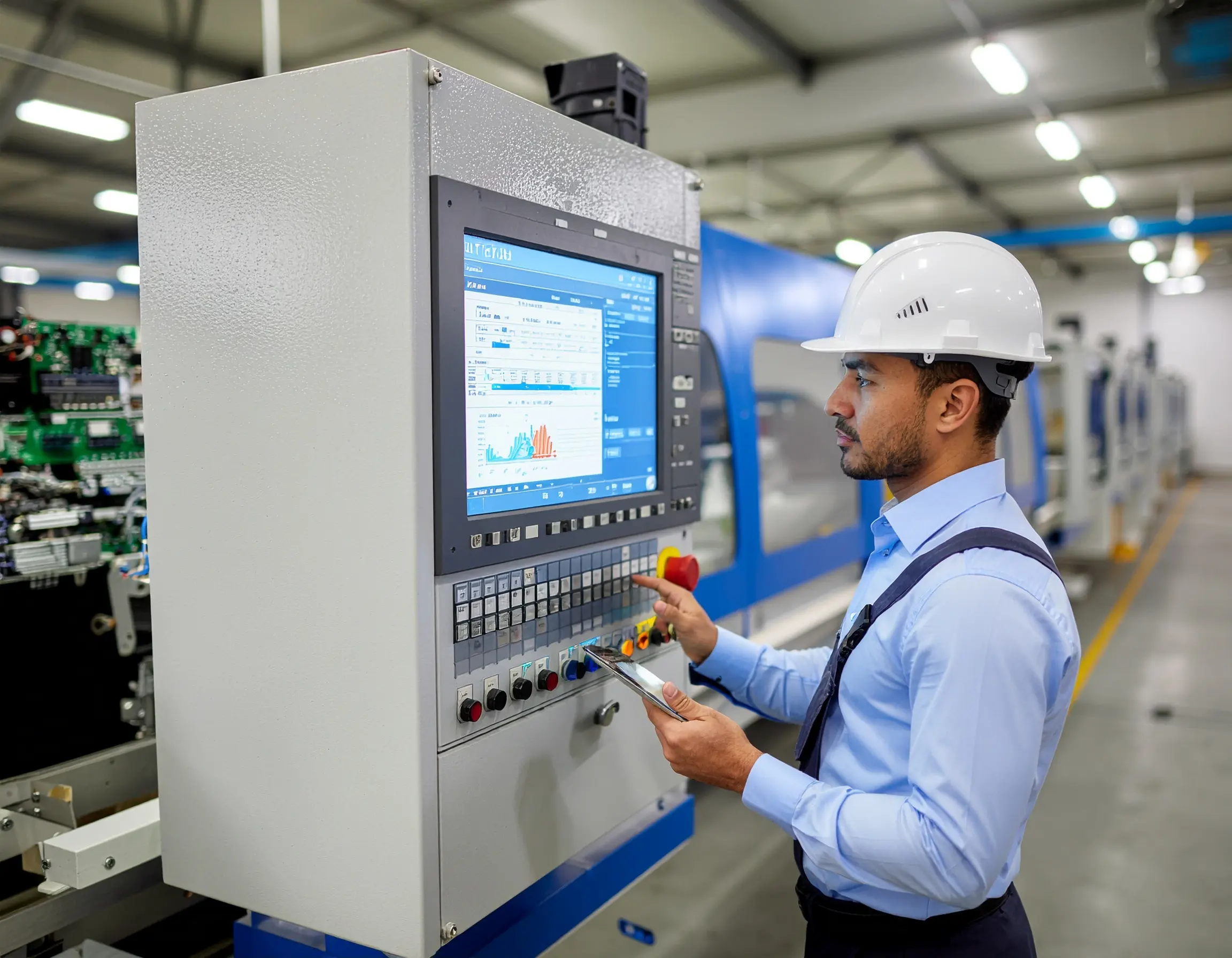
Industrial TFT LCDs are built for hard conditions. They combine solid strength with wide temperature flexibility. These displays work well from -30°C to +85°C. Some tough models go to -40°C. They keep screens clear on factory floors. They also work in outdoor machines or control panels under sun or cold. Plus, they handle shakes up to 5G and hits of 50G. They provide long-term trust with 50,000 hours mean time between failures (MTBF). This makes them perfect for round-the-clock industrial jobs without much care.
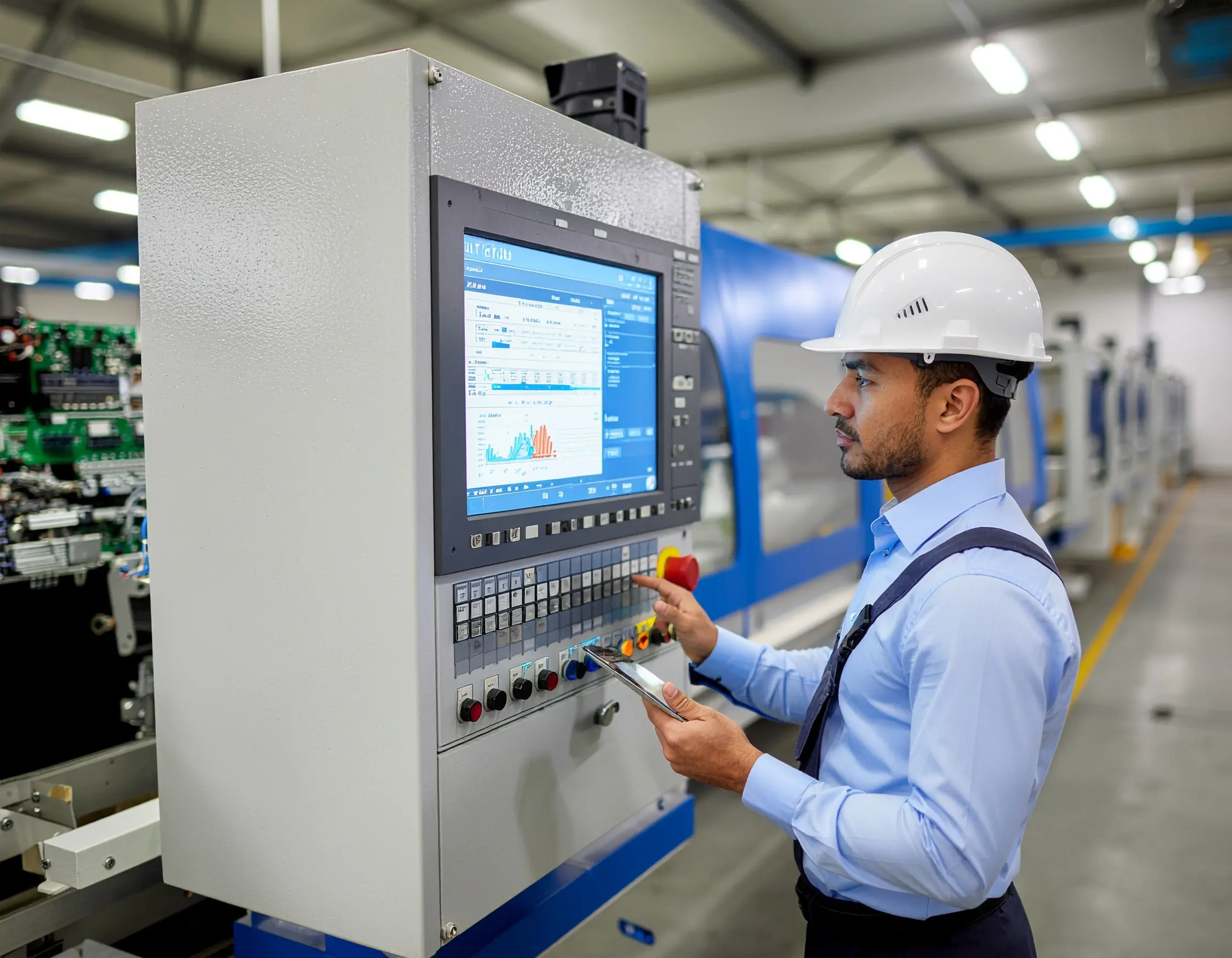
Durability
Industrial TFT LCDs offer clear strength through strict tests. They handle 5G vibration (10–500Hz) and 50G shock (half-sine, 11ms). They run well from -30°C to +85°C. Storage goes from -40°C to +90°C. They give a 50,000-hour MTBF for 24/7 use in factories or outdoor tools.
Tests follow rules like IEC 60068-2-6 (vibration) and IEC 60068-2-27 (shock). Results match real industrial needs. For instance, a panel on a construction excavator must take engine shakes at about 3G. One in a freezer warehouse deals with -25°C and 80% humidity.
Main Strength Features
- Vibration tolerance: Tested at 5G acceleration across 10–500Hz frequencies (like motor or gear work). This beats the 2–3G common in office gear.
- Shock resistance: Survives 50G impacts (such as drops from 1.2m onto concrete) in half-sine pulse tests. This matters for handheld industrial tools.
- Temperature range: Works at -30°C (cold storage) to +85°C (near furnaces). Some tough models go to -40°C (arctic oil rigs). Storage limits hit -40°C to +90°C.
- Humidity endurance: Runs in 20–90% RH (non-condensing). Tested per IEC 60068-2-78 for damp heat.
- Lifespan: Mean Time Between Failures (MTBF) of 50,000 hours (about 5.7 years of non-stop use). Based on fast life tests at full load.
Mechanical strength also comes from build design. Strong bezels stop cracking under pressure. Anti-glare coatings fight scratches from tools. Environmental seals (IP65 or better for front panel) keep out dust and water sprays. These parts make sure the display holds up in rough spots where regular panels would break soon.
In automotive assembly, this strength keeps screens showing key data right during shifts with big shakes from robotic arms. For solar farm watching, the mix of shake resistance and wide temperature help keeps systems running all year.
Temperature Specs
Industrial TFT LCDs keep steady images over wide temperatures. They work from -30°C to +85°C. Storage is -40°C to +90°C. Tests follow IEC 60068-2-1/2 for 16h at edges. They have 50,000-hour MTBF even at high temperatures.
Main Temperature Details
- Operating range: -30°C to +85°C (standard). Tough and custom models go to -40°C to +90°C or more.
- Storage range: -40°C to +90°C (non-operational).
- Test duration: 16 hours per temperature edge (cold: -30°C; hot: +85°C) per IEC 60068-2-1/2.
- Humidity sync: 20–90% RH (non-condensing) tested with temperature.
- MTBF at temp: High trust holds with cuts for edge conditions.
The -30°C to +85°C operating range fits many industrial uses. At -30°C, panels show small brightness loss. They keep liquid crystal response time good for live tasks. At +85°C, backlight works well. Pixel work stays steady. Many industrial models from manufacturers like Miqidisplay support these ranges in standard and custom setups.
For cold tests, panels settle at low temperatures. Then they go through power cycles to check start trust. Hot tests use full backlight. They measure color steadiness and work rate. Humidity pair tests copy tropical factories or plants with no rust on connectors.
Solar farm monitors face high day surface heat and night lows. Industrial TFT LCDs keep contrast and readability all day. Food processing freezers at -25°C with high humidity gain from low stuck pixel rates. Automotive paint booth sensors near hot dryers count on steady +85°C work.
Unlike tight consumer ranges, these wide-temperature TFT LCDs cut the need for extra heaters or coolers. This lowers system work and costs.
Withstands Heavy Vibrations
Industrial TFT LCDs manage heavy vibrations with 5G acceleration (10–500Hz frequency). Tests use IEC 60068-2-6 (2h/axis). They live through 4G steady loads in factory robots and 3G from excavators. A 50,000-hour MTBF backs this to reduce stop time.
Key Features
- Acceleration level: 5G, above usual office device levels.
- Frequency span: 10–500Hz covers motor hum, gear meshing, and hydraulic pulses.
- Test duration: 2 hours per axis (X/Y/Z).
- Structural design: Strong bezels, firm flexible circuit bonding, and good mounting.
- Application load: Deals with hard spots in assembly lines and mobile machines.
Thicker bezels and glue fixes limit part shifts under vibration. This keeps signal clear even in high-resolution panels. Screw tightness and mounting plans stop loosening over long time.
In automotive robot arms at 4G, industrial units show little brightness change or pixel faults. Construction gear with mixed frequency vibrations holds work over long times. This vibration handle pairs well with shock resistance for handheld or vehicle tools.
Stable in Extreme Cold Heat
Industrial TFT LCDs remain steady in extreme cold and heat. They work from -30°C to +85°C. Storage is -40°C to +90°C. They have small brightness drop at low temperatures. Backlight work stays strong at high temperatures.
Stability Highlights
- Operating low: -30°C (arctic oil rigs, freezer warehouses). It has limited brightness drop and kept response times.
- Operating high: +85°C (furnace controls, desert solar farms). It keeps backlight output and low pixel leakage.
- Storage low: -40°C stops material wear.
- Storage high: +90°C for travel or rest periods.
- Test protocol: Long exposure with power cycling and paired humidity testing.
- Real-world performance: Steady contrast and visibility across edges.
At low temperatures, industrial panels skip common problems like slow response or freezing. In high heat, work rate stays high for clear HMI use. These traits make the displays fit for world-wide use from cold storage to desert or industrial furnace areas.
Reliable 24/7 Performance
Industrial TFT LCDs give steady 24/7 performance with a 50,000-hour MTBF (about 5.7 years continuous use). They have low failure rates. They keep work under constant load. This fits control rooms, factory HMIs, and watching systems.
Reliability Features
- MTBF: 50,000 hours based on fast testing.
- Failure rate: Low per thousand hours in large setups.
- Brightness retention: Good hold after long work.
- Pixel stability: Few defects over long times.
- Power tolerance: Handles voltage changes common in industrial spots.
- Backlight lifespan: Long work hours to half brightness.
This trust cuts care and replace costs. In semiconductor plants or power grid control centers, such displays help high uptime with few display stops. Checked designs and quality steps back key continuous work.
FAQ
What is the typical operating temperature range for industrial TFT LCDs?
Most support -30°C to +85°C. Tough and custom options reach -40°C or wider for extreme environments.
How well do these displays handle vibration and shock?
They are tested to 5G vibration (10–500Hz) and 50G shock. This fits machinery, vehicles, and portable industrial equipment.
What MTBF can be expected for 24/7 use?
Ratings often reach 50,000 hours. This gives years of steady continuous operation with good setup.
Are customization options available for specific requirements?
Yes, including wide temperature enhancements, touch integration, custom interfaces, enclosures, optical bonding, and other modifications.
Partner with a Trusted Industrial Display Manufacturer
Clients seeking dependable TFT LCD solutions for industrial HMI, automation, outdoor equipment, medical devices, or automotive applications benefit from working with an experienced supplier. Miqidisplay stands as a professional display manufacturer with over 20 years of OEM/ODM expertise, offering high-quality custom and standard industrial TFT LCD modules with wide temperature ranges, strong durability features, touch options, various interfaces, and full integration services.
Contact the Miqidisplay team today to discuss project requirements, explore custom solutions for exact specifications, or request quotes for production volumes. As a reliable manufacturer and supplier, the company provides one-stop support from design to delivery, helping optimize equipment reliability, reduce total costs, and ensure long-term performance in demanding industrial environments.