






What is the structure of a resistive touch screen?
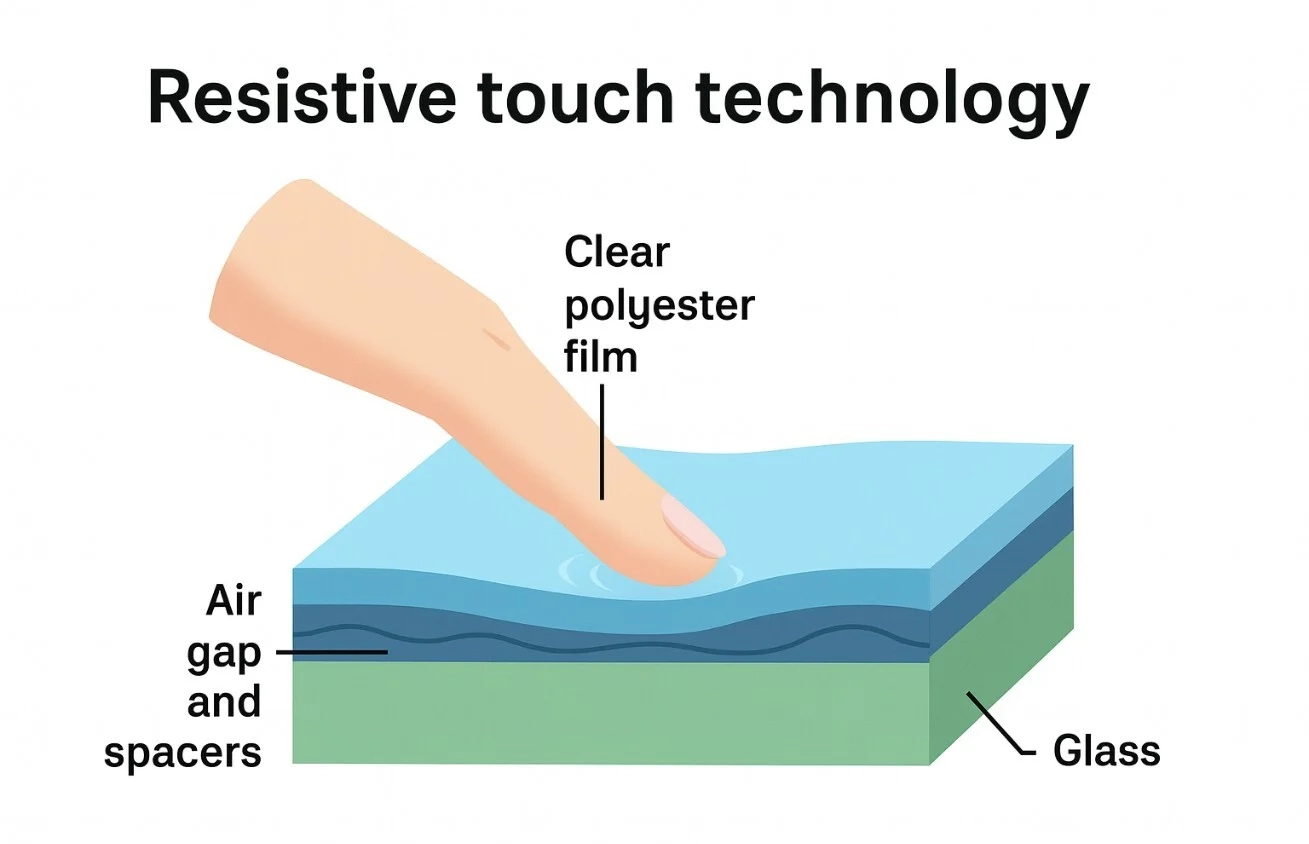
At its heart, a resistive touch screen has two bendy layers covered with material that fights electric flow. These layers sit apart by tiny spacer dots and an air space. Sometimes an inert gas fills the gap. Pressure on the top makes the upper layer bend. Then it touches the lower layer. This touch shifts the electric fight. A controller uses that to figure the exact X and Y spots of the touch.
Besides the fight covers, the layers have electrodes. These catch and send the electric sign. The setup of these electrodes sets how the touch screen handles input.
The two most common configurations
Matrix configuration (digital configuration)
In this plan, electrodes line up in a net or line pattern on sides of the two layers. Pressure comes from a finger, stylus, or gloved hand. That activates a row and column cross. It picks the touch spot.
Analog configuration
In this setup, electrodes sit on the layer edges. No net pattern appears. Voltage slopes go over the top. The controller checks the sign that follows. It finds the exact touch spots. Analog resistive touch screens often fit uses that need better detail and pen input.
Resistive touch screens mainly use 4-line or 5-line plans. These setups back single-touch input. They give steady work. Usual mixes cover 4.3-inch panels with 480×272 resolution and RGB interface on TN panels. Also, 7-inch panels have 1024×600 resolution and RGB interface on IPS panels. Work heat ranges often run from -20°C to 70°C. Light levels hit 500 nits or 800 nits based on the type.
Where Are Resistive Touch Screens Used?
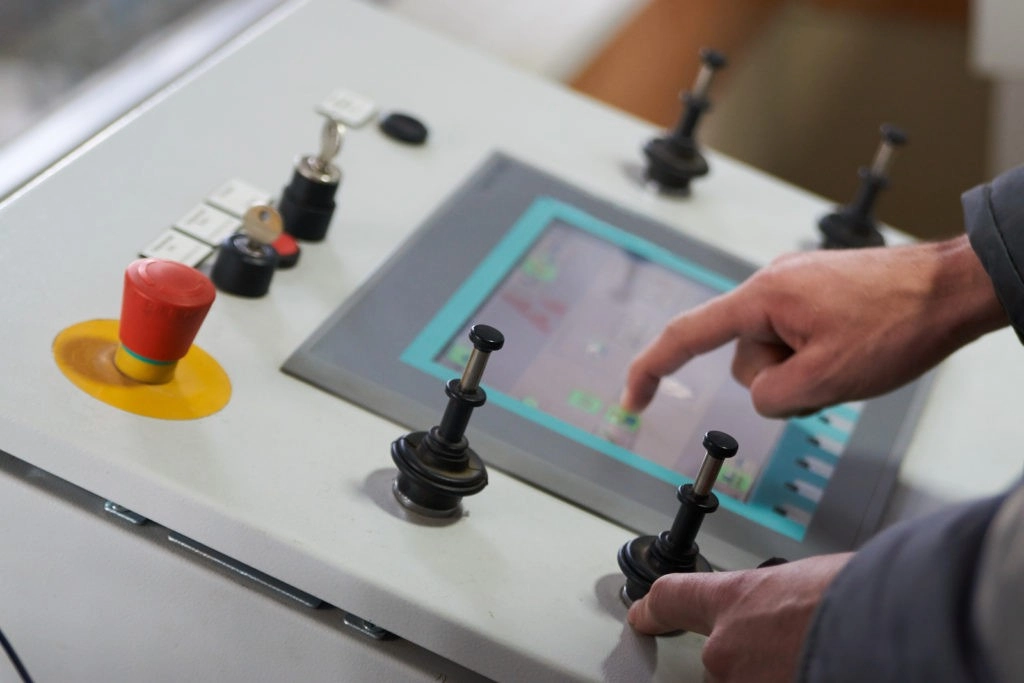
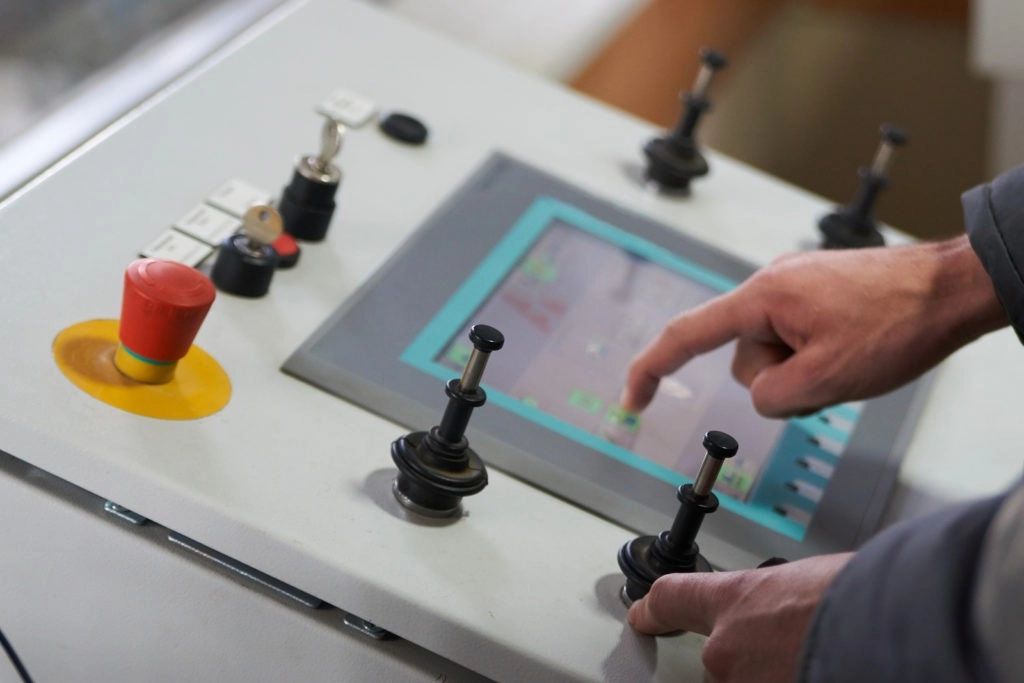
Resistive touch screens find wide use in places where strength, steady work, and input bend matter a lot. They answer to pressure, not electric pass. So, they work well with gloved hands, styluses, or other items that do not pass electric flow.
Common applications include:
- Industrial manufacturing equipment
- Human-machine interfaces (HMIs)
- ATMs and self-service kiosks
- Medical devices
- Outdoor or harsh-environment systems
In many work and health setups, workers must wear gloves for safe or clean reasons. Resistive touch screens keep steady work in these cases. This fits them well for places where care and strength top multi-touch or move-based work.
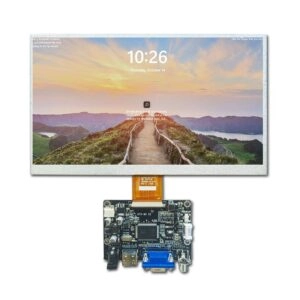
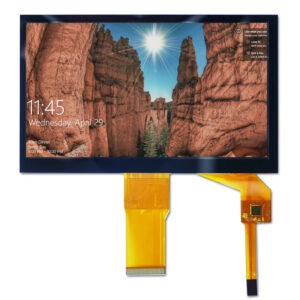
Mix with TFT LCD displays grows their use. Choices go from small 4.3-inch resistive industrial touch displays to 7-inch resistive touch displays with IPS panels. These join easy with wider TFT LCD groups. Sizes run from under 1 inch to 15 inches. They back links like RGB, LVDS, HDMI, MIPI, and SPI. Heat ranges reach up to -30°C to 85°C in some types.
LCD monitors built for work uses add to resistive touch choices. These hold types from 10.1 inches to bigger ones like 15.6 inches and more. They have links such as HDMI, VGA, USB, RS-232, and LAN. Back for work panel PCs and all-in-one machines lets use in machines, tools, control setups, health gear, and entry control tasks.
Benefits of Resistive Touch Screens
Durability and Environmental Resistance
Resistive touch screens build for tough use. They work steady in hard places. The fake top layer may scratch easier than other types. Yet, resistive setups fight dust, wet, and dirt well. Custom picks like optical bonding and cover glass add more guard from wet and bits.
Cost-Effectiveness
Resistive touch screens cost less than other choices. They make a smart pick for big work uses where money save counts. Manufacturers gain from grow make without lose of main steady work.
Input Versatility
Resistive tech answers to pressure, not flow. So, it works with a finger in glove or not, stylus, nail, or pointed item. This bend fits resistive touch screens for work, health, and field uses. Single-touch work with 4-line or 5-line plans keeps steady in care tasks.
Reduced Sensitivity to Accidental Input
Resistive touch screens need firm pressure to note input. This low feel cuts chance of wrong starts from wet spills, dirt, or chance touch. It gives a key gain in make and work places.
More good points come from custom work. That covers cable length and join tweaks, PCB changes, high-light boosts to 1000 nits, and fix ways like metal holds or stick glues. These let exact match to end-product needs in car, health, work control, and safe fields.
Disadvantages of Resistive Touch Screens
Pressure Requirement
Input bases on pressure. So, resistive touch screens need more body push than other setups. Very soft touches may not start the link.
Display Clarity
The bendy top layer can cut light clear a bit over hard glass tops. For uses where top screen sharp matters most, this may play a part.
Single-Touch Limitation
Usual 4-line and 5-line resistive plans back only single-touch input. Multi-touch moves stay out. This leads use to tasks on care single-spot link, not home-style many-finger work.
How Do Resistive Touch Screens Compare to Capacitive Touch Screens?
Capacitive touch screens see wide use in home gear like phones and tablets. They offer multi-touch skill and high light clear. But, resistive and capacitive techs build to meet different work needs.
A main diff is input way. Resistive touch screens note input by pressure. This lets them work with a usual stylus, gloved hands, or any item without flow. Capacitive setups depend on electric flow. They often need skin touch or a special flow stylus.
Cost plays another role. Resistive touch screens cost less than capacitive ones. They fit work uses well. There, many units may need and strength tops move-based link.
Place strength likes resistive tech in dust, wet, or glove cases. Capacitive screens may need extra guards or lose work under dirt.
In the end, the pick between resistive and capacitive touch screens rests on the work place, input needs, and work goals of the use. For work HMIs, health gear, and outside setups, resistive traits often give steady, sure work.
Custom work adds to mix. Services hold link changes (HDMI, VGA, SPI, etc.), back-light tweaks, and full-setup choices. These pair resistive touch with TFT LCD panels or work LCD monitors.
FAQ
What is the basic working principle of a resistive touchscreen?
A resistive touchscreen operates through pressure that brings two resistive-coated layers into contact, changing electrical resistance and allowing the controller to calculate X and Y coordinates.
Which configurations exist for resistive touch screens?
Matrix (digital) configuration uses a grid for row-column detection. Analog configuration applies voltage gradients along edges for precise positioning. Most implementations use 4-line or 5-line resistive designs supporting single-touch input.
Can resistive touch screens function with gloved hands?
Yes. Pressure-based detection enables reliable operation with gloves, styluses, or non-conductive tools, making them ideal for industrial manufacturing, medical devices, and harsh environments.
What sizes and resolutions do resistive touch displays commonly offer?
Common options include 4.3-inch panels at 480×272 resolution (RGB TN) and 7-inch panels at 1024×600 resolution (RGB IPS), with operating temperatures of -20°C to 70°C.
What are the main benefits for industrial applications?
Key benefits include durability against dust and moisture, cost-effectiveness for volume production, input versatility with gloves or styluses, and reduced accidental touches in manufacturing and HMI settings.
How do resistive touch screens integrate with TFT LCD or LCD monitors?
Integration occurs through standard interfaces such as RGB, along with custom cabling, driver boards, optical bonding, and high-brightness options, creating complete solutions for industrial panel PCs, monitors, and control systems.
Conclusion
Miqidisplay functions as a display manufacturer and LCD developer with over 20 years of OEM/ODM expertise. The company supplies resistive touch panels, TFT LCD displays, and industrial LCD monitors, supported by certifications including TS-16949, ISO-9001, and ISO-14001. Strict multi-stage quality control, rapid response on custom projects, and high on-time delivery rates enable stable supply chains for medical, industrial control, automotive, and access control applications.
For display manufacturers and suppliers requiring precise integration of 4-line or 5-line resistive touch technology with TFT LCD panels or rugged LCD monitors, tailored engineering services cover cable modifications, interface adjustments, high-brightness enhancements, optical bonding, and custom enclosures. Collaboration ensures durable, cost-effective solutions that meet exact specifications for harsh-environment performance.
Contact the team today to discuss project requirements, request samples, or obtain volume production quotes. Expert support delivers optimized resistive touch screen solutions aligned with manufacturing and supply needs.