




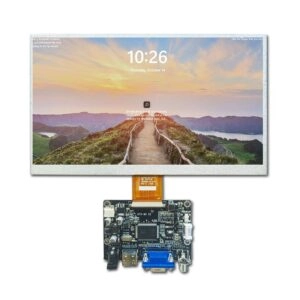
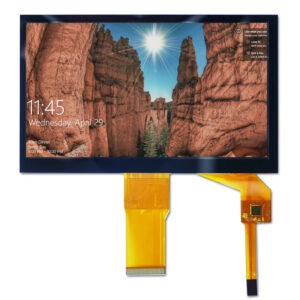


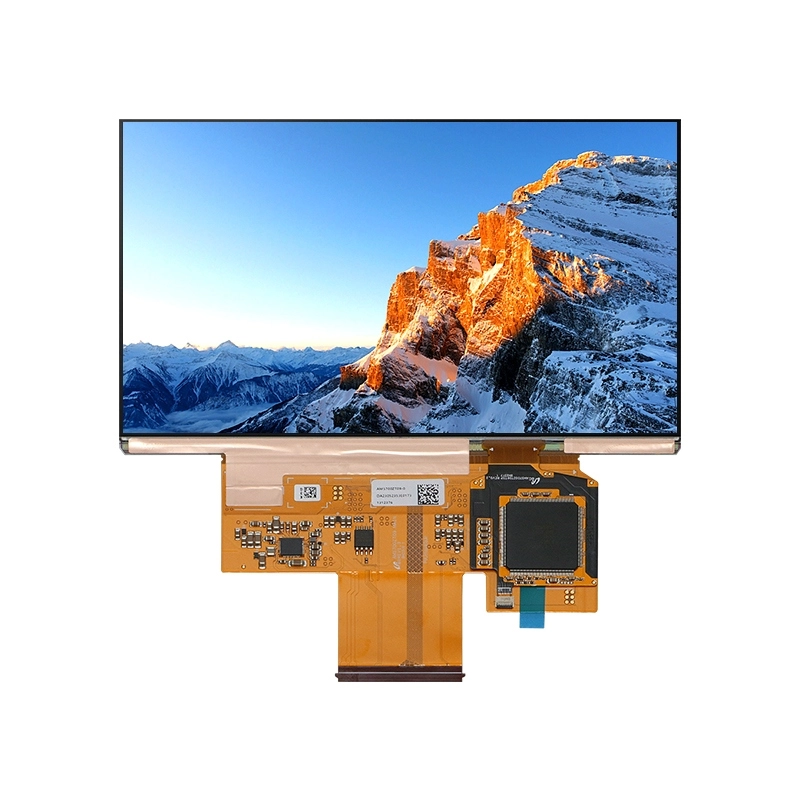
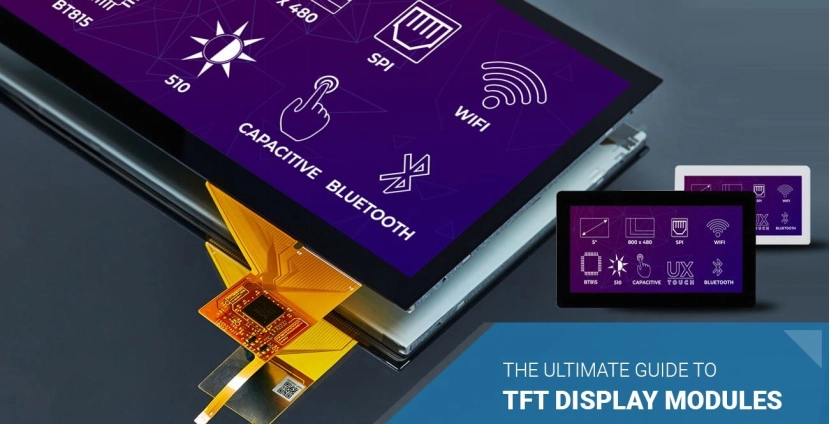
TFT means Thin Film Transistor. It is a method that boosts the work of LCD screens. It does this by adding a transistor at each pixel. This active matrix way gives exact control over single pixels. As a result, it leads to better picture quality. It also brings quicker response times. Plus, it offers improved color showing than older passive matrix LCDs.
In a basic LCD setup, liquid crystals change light from a backlight source. They often use polarized light that goes through layers, including color filters. TFT fixes issues in old LCDs. For example, slow response times come from charge effects over many pixels. These often cause motion blur in moving content. TFT places a fast switch transistor right next to each pixel on the glass base. Because of this, it cuts response times a lot. It almost removes blur for real uses like video play, gaming screens, and factory watching.
TFT displays work with both split and full pixel setups. This makes them useful for many tasks. Color TFT displays give good clearness, changeable brightness, and high color truth fit to certain needs.
What is AMOLED Display
AMOLED stands for Active Matrix Organic Light-Emitting Diode. It is a forward self-light display method. Organic thin layers sit between two conduct layers. When electric current flows through, the organic stuff gives off light right away. This removes the need for a different backlight, unlike LCD-based methods.
The lack of a backlight lets AMOLED displays get thinner shapes, less weight, and better power use. This is true when showing dark content. Here, single pixels can shut off fully. AMOLED panels make bright colors, deep blacks, and high contrast levels. This comes from light per pixel. Bend in making allows for bent, foldable, or even pull designs in later types. It opens doors for new shapes.
AMOLED method gives top picture quality with broad view angles and fast response times. It fits best for high-end uses where sight quality counts.
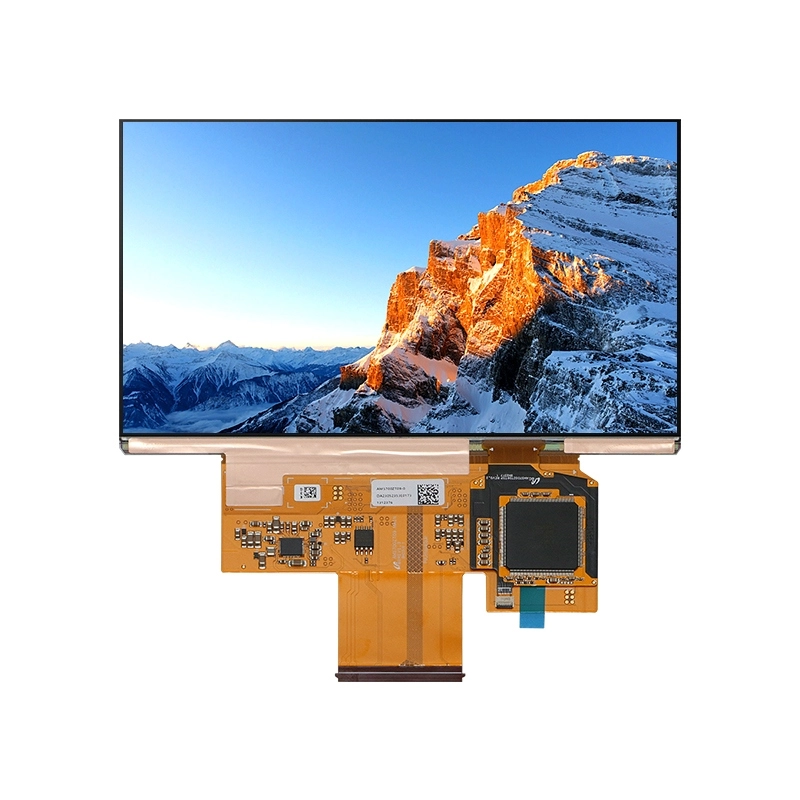
Differences Between TFT and AMOLED Display
1. TFT
Pros
- Strong color showing with good clearness, strength, and changeable light level to fit varied task needs.
- Longer life than many other choices. This depends on use ways. It has choices for resistive or capacitive touch add. Capacitive touch aids modern multi-touch acts used in current tools.
- Low-cost making in many cases. Set making steps ensure supply in usual sizes.
Cons
- Bigger total costs in some high-end setups than simple display kinds.
- Limited view angles in some setups. This leads to color changes or less sight off-center.
- Need for steady backlight raises thickness and power use. This happens even when showing dark scenes.
- Open to shine in bright outside spots due to reflect glass sides and backlight need.
2. AMOLED
Pros
- Thinner, lighter, and more bend organic layers than stiff LCD builds. This allows small and new designs.
- No backlight needed. This lets true blacks and pixel-level power check for better power use in battery tools.
- Broad view angles near 170 degrees without big loss. Each pixel gives light on its own.
- Higher contrast levels, often over 100,000:1. This brings stronger sights and better work in mixed light.
- Quicker update rates and response times from direct light. This cuts motion marks.
- Chance for bigger or special shaped panels through plastic-based making ways.
Cons
- Shorter life for some color parts, mainly blue subpixels (about 14,000 hours in some cases). This is less than red and green (up to 230,000 hours).
- Higher making costs from hard steps and stuff.
- Open to wet and outside harm. This needs guard steps in tough spots.
Which to Choose Under Different Situations: TFT vs AMOLED Display
Light Emission
AMOLED displays make light at the pixel level without a backlight. This allows slimmer designs and true black levels. TFT displays use LCD method. They rely on a steady backlight to light liquid crystals. These block or let light pass. This basic difference makes AMOLED better for light-weight, thin tools.
Better Brightness
TFT displays often reach higher top brightness through strong LED backlights. This gives good sight in direct sun or high-light spots. AMOLED panels give solid per-pixel brightness. But they may not match the steady full-screen light of backlit TFT in hard conditions.
Energy Consumption
Power use changes by content and settings. AMOLED does well in dark or mixed-content cases. It turns off pixels, saving power a lot. TFT keeps steady backlight use. But lowering light cuts pull without losing quality in many cases. For always-on bright displays, TFT may give gains in power use when backlight levels are set right.
Viewing Angles and Contrast
AMOLED offers better view angles and endless contrast through self-light. TFT, mainly IPS types, betters angles over basic TN. But it still lacks AMOLED in side view work and black depth.
Durability and Cost Considerations
TFT gives tested long life and lower making costs. It fits large-amount or budget-tight projects. AMOLED brings high-end sights. But it needs careful hold for long life and outside guard.
Applications and Suitability
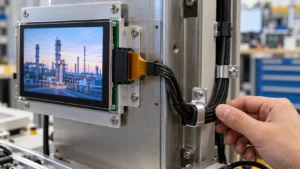
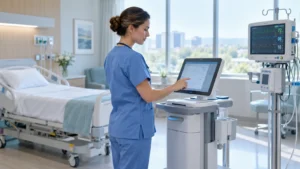
TFT fits factory controls, medical gear, outside stands, and low-cost consumer tools that need steady and brightness. AMOLED suits wearables, smart home items, high-end hand tools, and tasks that focus on bright colors, thinness, and power save.
Conclusion: TFT vs AMOLED Display
Display pick relies on project main points like cost, brightness, power use, shape factor, and sight quality. TFT method gives solid, bright, and cheap answers with broad supply and tested work in hard spots. AMOLED forward offers top contrast, bend, and power use for high-end acts.
For tasks needing even work and change, TFT stays a good pick. This is due to grown making and fit. AMOLED keeps moving fast, mainly in small and new designs.
Miqidisplay stands as a leading manufacturer and supplier of high-quality TFT LCD displays and color OLED displays (including AMOLED-equivalent panels). With over 20 years of OEM/ODM expertise, the company delivers custom solutions featuring wide temperature ranges, capacitive touch, high-brightness options, multiple interfaces (MIPI, LVDS, HDMI, SPI), and tailored shapes for industries like industrial control, medical, automotive, and smart appliances. Strict quality certifications (ISO-9001, ISO-14001, TS-16949) ensure reliability for global B2B partners.
FAQ
What is the main difference between TFT and AMOLED in terms of light source?
TFT (LCD-based) requires a backlight to illuminate pixels, while AMOLED emits light directly from each organic pixel, enabling true blacks and thinner designs.
Which display type offers better contrast?
AMOLED provides superior contrast ratios, often exceeding 100,000:1, due to pixel-level control, compared to TFT’s reliance on backlight modulation.
Is AMOLED more power-efficient than TFT?
AMOLED is generally more efficient for dark or mixed content since unused pixels consume no power, whereas TFT’s backlight draws constant energy regardless of content.
Which is better for outdoor use?
TFT displays, especially high-brightness variants, perform better in bright sunlight due to higher achievable luminance levels.
Can TFT and AMOLED displays be customized for specific applications?
Both technologies support extensive customization, including touch integration, interfaces, sizes, and environmental adaptations.
Partner with a Trusted Display Manufacturer and Supplier
Businesses seeking reliable TFT LCD or color OLED display solutions benefit from collaborating with an experienced manufacturer. As a professional display manufacturer and supplier, Miqidisplay offers comprehensive OEM/ODM services, custom R&D, rapid prototyping, and one-stop solutions tailored to industrial, medical, automotive, and commercial requirements. Contact the expert team for quotes, samples, technical consultations, or project discussions to optimize display integration for specific needs. Reach out via email at mary@miqidisplay.com or sale@miqidisplay.com, WhatsApp at +86 188 7965 2960, or through 24/7 live chat support.