





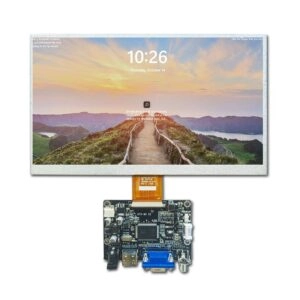
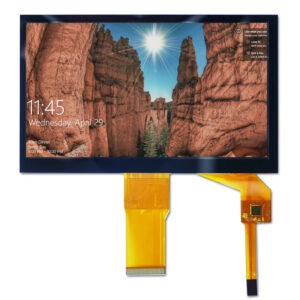
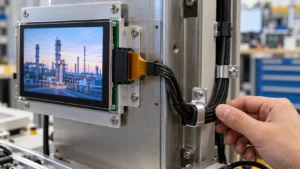

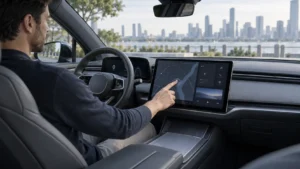


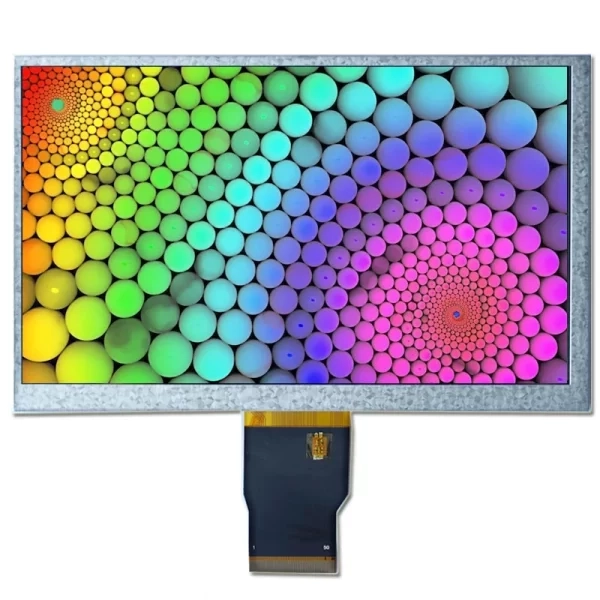
Selecting the right TFT LCD display is not only about size, resolution, brightness, or interface. In industrial equipment, outdoor terminals, vehicle electronics, medical instruments, and embedded control systems, temperature can determine whether a display remains readable, responsive, and reliable. A panel that works indoors may show slow response, contrast shift, reduced brightness, or accelerated aging after exposure to freezing mornings, direct sunlight, machine heat, or rapid thermal cycling.
A wide temperature TFT LCD is designed for stable performance in harsh conditions. However, the widest rating is not always the best choice. Standard TFT LCD modules remain suitable for indoor devices, while wide temperature displays are essential when the final product must operate through heat, cold, and environmental variation.
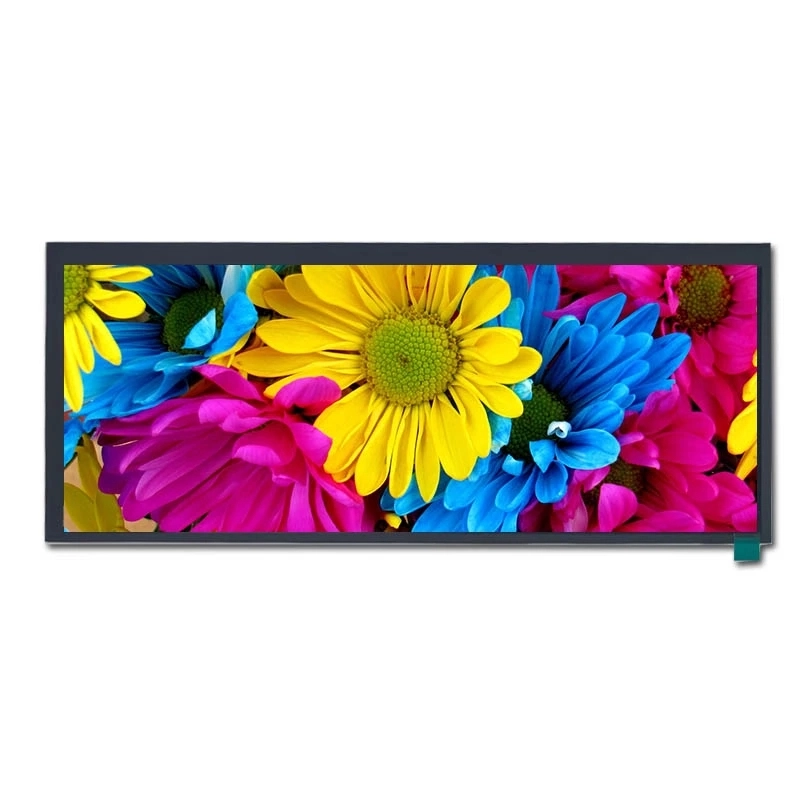
Why Temperature Matters in TFT LCD Displays
All of the Liquid Crystal layer, TFT backplane, LED backlight, driver ICs, adhesives, and mechanical parts are temperature sensitive.
Liquid Crystal Response
Lower temperatures increase the viscosity of the liquid crystal which can cause an image to transition more slowly which can result in ghosting, blurring or slow updating. Higher temperatures can also decrease contrast stability and increase image retention, and can cause materials to degrade faster over time.
TFT Backplane Behavior
The TFT backplane is controlled by the TFTs that switch the pixels. In cold climate the carrier mobility can be lower, and in hot climate the leakage current and threshold drift can be higher. This can affect uniformity, gray scale accuracy and image stability.
Backlight Efficiency
LED backlights are sensitive to temperature. Startup efficiency could be impaired at low temperatures while high temperatures quickly cause lumen depreciation. For applications such as outdoor, transportation or factory automation, the stability of the backlight can be as important as the quality of the LCD panel.
System Reliability
TFT LCDs are typically used as part of a larger piece of equipment or as a component of a larger piece of equipment or instrument. Any flicker, dimming, delayed response or touch instability can affect the operator’s decisions. In industrial and medical applications display reliability is critical to safe operation and to adequate visibility of data.
Standard vs Wide Temperature TFT LCDs
The right choice depends on several aspects: working conditions, exposure time, the product’s lifecycle and the cost target.
Standard TFT LCD Displays
The Standard TFT LCD modules are optimized for office equipment, indoor base stations, consumer products and protected embedded applications. This version delivers excellent display performance at an attractive price. Moderate temperatures are assumed.
Key advantages include:
- Lower cost in controlled environments.
- Broad availability of sizes, resolutions, and interfaces.
- Good indoor image quality.
- Simpler thermal design.
Main limitations include:
- Slower response in cold environments.
- Lower stability under continuous heat.
- Less margin for outdoor or enclosed equipment.
- Higher risk during seasonal temperature swings.
Wide Temperature TFT LCD Displays
Wide temperature TFT LCDs are built for cold starts, sunlight, machinery heat, outdoor exposure, or vehicle cabin extremes. The module may use optimized liquid crystal materials, robust backlight design, improved polarizers, and temperature-tolerant electrical components.
Typical advantages include:
- More reliable low-temperature startup.
- Better contrast and brightness stability under heat.
- Stronger fit for industrial and outdoor products.
- Better support for demanding reliability targets.
Important considerations include:
- Higher cost than standard modules.
- Possible need for custom backlight or cover glass.
- Thermal design still required at the system level.
- Wider range does not automatically improve every optical metric.
When Wide Temperature Displays Are Useful
Wide temperature TFT LCDs provide most value when working conditions are far removed from typical office situations.
Automotive and Transportation Displays
Many displays are installed in vehicle dashboards, in standalone navigation units, as part of charging equipment, in fleet terminals, and in control consoles. They have to function correctly after heat or cold starts, and perform well over long periods at different temperatures. A display with wide temperature performance ensures that it is always readable and fully operational.
Industrial HMIs and Factory Equipment
HMIs for industrial applications can be installed near motors, ovens, production outside, cold storage or a dusty workshop. The major influence of temperature is often found in combination with other environmental stressors such as vibration, humidity, electromagnetic interference and continuous operation.
Outdoor Terminals and Public Equipment
Visibility throughout the seasons of the year for outdoor use kiosks, access control panels and interfaces, agricultural products, energy related products and monitoring terminals, including high sunlight readability and high brightness combined with anti-glare cover glass, sealing and thermal dissipation requirements, often also demanding wide temperature ranges.
Medical and Field Instruments
Many portable diagnostic instruments, mobile monitoring devices and field devices are used both indoors and outdoors. For correct reading of data, display of alarms, display of waveforms and display of system prompts, a stable display output is required.
Key Considerations When Selecting a TFT LCD
A display’s wide temperature range is only one of many factors to consider in selecting a display. A more practical analysis includes optical, electrical, mechanical and supply issues.
Operating Temperature
The operating temperature range should match the real application. Indoor equipment may only need standard ratings, while outdoor, vehicle, or heavy machinery projects may require wider limits.
Brightness and Sunlight Readability
High brightness is critical for readability in strong ambient light. For use outdoors, one must simultaneously evaluate the following factors: brightness, contrast, viewing angle, surface treatment and optical bonding. High nit value of backlight alone is not sufficient to ensure readability in outdoor environments.
Interface and Resolution
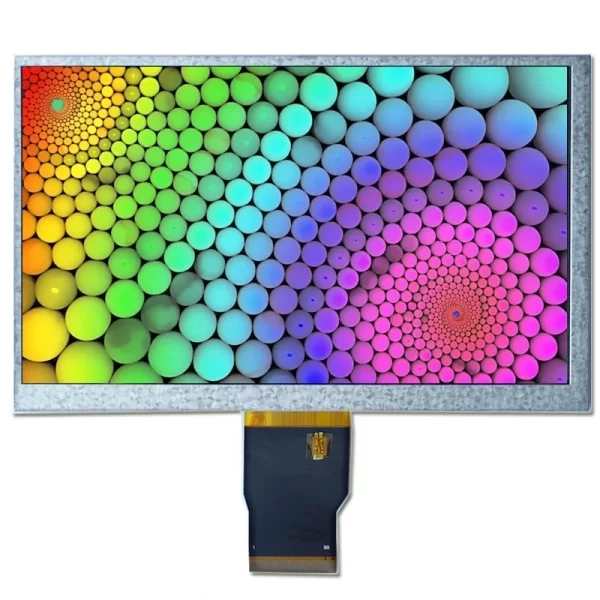
RGB or LVDS as well as MIPI or SPI interfaces are typical for TFT LCDs. Other system-level interfaces are e.g. SPI / MCU, HDMI, USB. The choice of the interface type determines the bandwidth, cable length, electromagnetic compatibility, the required software work and the design of the board.
Power Consumption and Thermal Management
High brightness and wide temperature capability can increase power requirements. The efficiency of the LED driver, the design of the PCB, the internal volume of the enclosure, the presence of heat spreaders, and the quality of the thermal interface materials all impact long-term performance.
Touchscreen and Cover Glass
When selecting between capacitive touch and resistive touch, it is also important to note how both will function in extreme environments. Early consideration of operation with gloves on, water droplets on the screen, chemical exposure, impact protection, and front-glass thickness is important. Optical bonding can improve readability in such environments.
Compliance and Long-Term Availability
Industrial, Medical, Transport and Automation Projects require documentation, quality control, reproducibility and long term supply. For these projects the display selection should consider the whole lifecycle and batch consistency.
Optimizing TFT LCDs for Extreme Conditions
Even for wide temperature TFT LCDs, proper integration is required.
Cold Start Optimization
Cold start performance can be improved by optimising the liquid crystal formulation, the driver settings, the backlight settings and the warm-up settings.
High-Temperature Stability
High temperature design can be achieved by using high efficiency LEDs, designing components to operate below their rated current and voltage, using temperature compensation in the power supply, and using a proper structure to not concentrate heat.
Thermal Management Techniques
Passive thermal design solutions include aluminum housings, heat spreaders, thermal pads, well-thought-out PCB positions, and reflective surfaces. If a system is sealed or is very bright, then active cooling might be the better solution.
Custom Mechanical and Electrical Design
Design of factors like cable length, connector position, PCB shape, mounting bracket, cover lens and backlight design affects product reliability. Early customization avoids late redesign for customization.
Common Misconceptions About Wide Temperature TFT LCDs
Wide temperature TFT LCDs can offer solutions to many of the harsh-environment problems that currently exist; however, they are not a magic bullet that will instantly upgrade every device.
Wider Temperature Range Always Means Better Display Quality
A wider rating does not necessarily equal more resolution, faster response time, deeper color or lower power consumption.
Indoor Products Always Benefit from Wide Temperature Displays
For indoor or climate-controlled applications standard TFT LCDs can provide the required reliability at lower cost.
Backlight Brightness Alone Solves Outdoor Readability
Outdoor readability of displays is influenced by a number of display characteristics: brightness, contrast, reflection, viewing angle, adhesion, cover glass and thermal stability.
FAQ
Do all applications need wide temperature TFT LCDs?
No. Standard TFT LCDs are designed for use in a controlled indoor environment. Wide temperature TFT LCDs are recommended for very cold temperatures, high temperatures, outdoor use, or for applications where the temperature may fluctuate rapidly.
What temperature range is common for wide temperature TFT LCD displays?
Most industrial wide temperature TFT LCD modules are specified for the temperature ranges -20…+70°C, -30…+80°C or -30…+85°C, depending on the specific TFT panel and the corresponding application.
What factors should be reviewed before choosing a wide temperature TFT LCD?
We check Operating temperature, storage temperature, screen brightness, interface, display resolution, touch functionality, cover glass, adhesive / bonding, power consumption, mechanical design, required certifications, and long term supply.
Miqidisplay is a display manufacturer and supplier of wide temperature TFT LCD modules, industrial monitors, touch panels, and custom display solutions. Miqidisplay works as an OEM/ODM supplier, offering customized cables, interfaces, connectors, PCBs, cover glass, mounting, and backlights for industrial displays. If B2B projects require the right display solution, contact Miqidisplay and submit the project requirements to its engineering, procurement, and product development teams. The requirements will be reviewed by Miqidisplay’s display expert team to select the right display or provide a matching industrial-grade solution.