





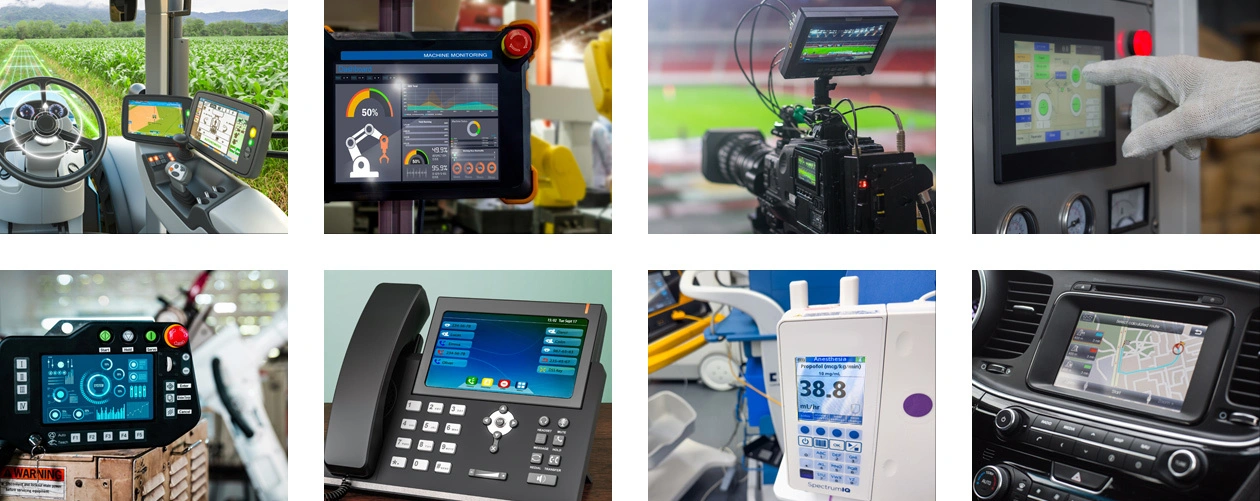
Thin-Film Transistor (TFT) displays play a vital role in today’s display world, especially inside embedded systems. These screens give clear pictures, steady work, and quick reactions. People use them everywhere. Medical tools, factory controls, home gadgets, and car dashboards all depend on TFT displays for bright and trustworthy images.
Design teams love TFT displays because they connect easily with many interfaces and control every pixel exactly. This makes adding them to complicated devices much simpler. Buyers care about steady supply and fair prices that grow with order size.
Picking the right TFT display early in the project helps avoid late deliveries, connection problems, and poor results in real use. In the end, TFT displays bring together good quality, easy changes, and long-lasting strength. That makes them a smart choice for important jobs.
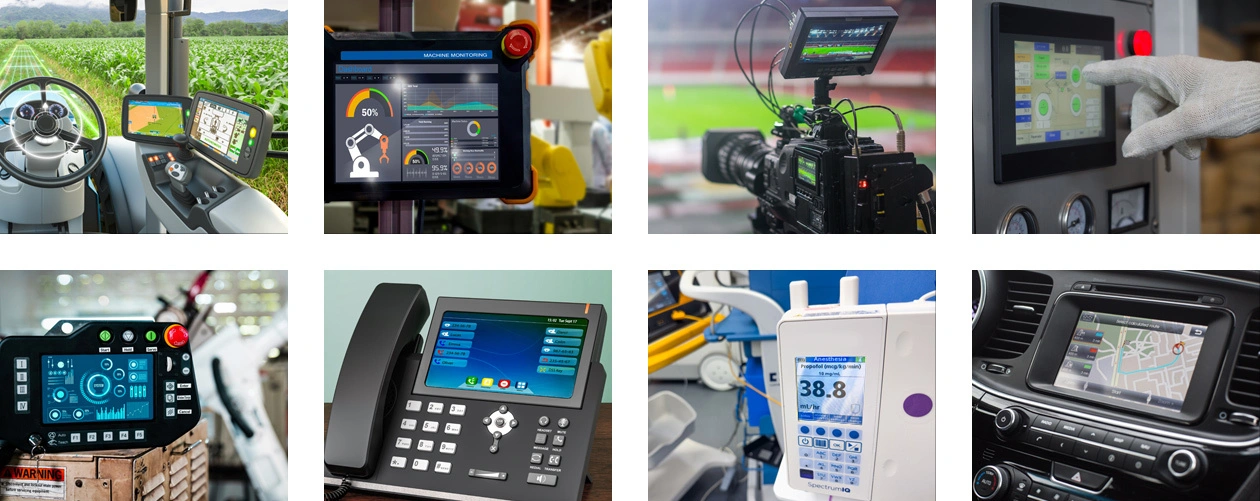
What is a TFT Display?
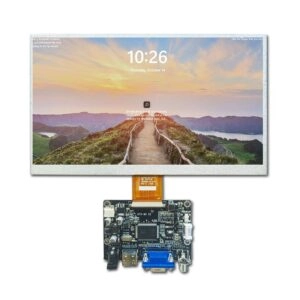
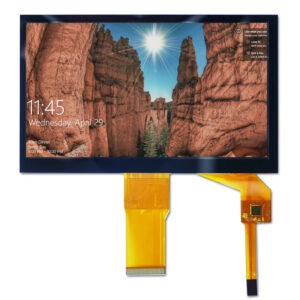
A TFT display is a better kind of Liquid Crystal Display (LCD). It uses tiny thin-film transistors to turn each pixel on and off. This way gives sharper pictures, faster speed, and truer colors than older screens.
TFT works as an active matrix screen. It refreshes faster and stays steady compared to passive matrix types. That is why people choose it when they need perfect clarity and instant response. You see them in hospital machines, factory touch panels, and everyday devices. A thin layer of transistors sits on glass. Each transistor controls one sub-pixel. Light passes through the liquid crystals exactly as needed. The result is high resolution, often Full HD or more, and almost no blurry lines between pixels. Even fast-moving images stay clean.
In real life, doctors use TFT screens on portable tools because colors look real and help them decide quickly. Factory workers watch automation panels that update instantly so nothing slows down. TFT started back in the 1970s. Today, better chip-making methods create thinner screens that save power with LED backlights.
Key Features of TFT Displays
TFT displays are built to handle tough modern electronics. They do more than just look sharp and fast. Many useful features make products work better in all kinds of places.
Bright & Vivid Colors
The TFT design creates strong, true colors. Contrast stays high and the color range covers sRGB or more. Text and pictures stay easy to read in dark rooms or bright sunlight. Better backlights and special films help reach around 16.7 million colors. Everything looks lively and real.
Complex Graphics & Animations
These screens handle layered pictures and smooth motion very well. Pixel density often goes above 300 PPI, and refresh rates pass 60Hz. Live charts, moving menus, and training videos run without delay. In airplanes, moving diagrams show important data right away.
Capacitive or Resistive Touch
Adding touch layers makes the screen interactive. Users pick the type that fits the job. Capacitive feels smooth and fast. Resistive works even with gloves.
Capacitive Touch Panels (CTP)
Capacitive touch senses the small charge in your finger. It reacts in less than a millisecond and understands many fingers at once. The layer stays clear, so the picture never suffers. Doctors in surgery or shop workers at counters use it every day.
Resistive Touch Panels (RTP)
Resistive touch needs real pressure between two layers. It works great with gloves or a pen. The sealed surface keeps out dust and liquids. Factories and hospitals like this kind because cleaning is easy and it lasts long.
Reliable Long-Term Performance
TFT screens keep brightness and color steady for tens of thousands of hours. They run from -30°C to 85°C and handle shaking and wet air. Vehicles and outdoor sensors stay working without trouble.
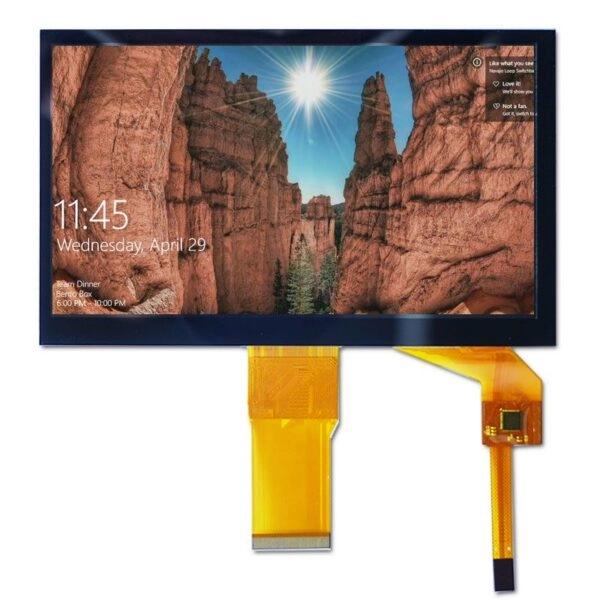
Aspect Ratio Control
Buyers can get ratios from 4:3 up to 21:9. Wide screens help operators watch many things at once. Square shapes fit small smart devices perfectly.
Wide Viewing Angles
Newer IPS technology keeps colors correct even when looking from the side, up to 178°. A group of doctors can stand around one screen and everyone sees the same clear image.
The Main Types of TFT Displays and Their Real-World Applications
TFT displays come in several styles. Each one fits certain jobs because of contrast, viewing angle, connection type, or brightness.
Standard TFT
Standard TFT uses Twisted Nematic (TN) technology. It gives good color, contrast up to 1000:1, and response under 10ms. Many low-cost products use it: smart watches, simple factory panels, and basic medical handheld units.
Premium MVA
Multi-domain Vertical Alignment (MVA) keeps high contrast like TN. It adds wider viewing angles and better color evenness. Response is a bit slower, about 20ms. Hospitals use them for X-ray viewing stations where many people look together.
Sunlight Readable
These reach over 1000 nits brightness and fight reflection. Special layers save power in bright light. Boats, outdoor kiosks, and heavy trucks use them daily.
In-Plane Switching (IPS)
IPS focuses on perfect color and very wide angles with almost no shift. Resolutions go to 4K. Labs and design offices choose IPS when exact colors matter most.
HDMI TFT
Built-in High-Definition Multimedia Interface carries clear video without compression. From 720p to 4K, they work great for signs, media boxes, and museum displays.
EVE (Embedded Video Engine) TFT
EVE screens have their own small graphics chip inside. This lightens the work for the main controller. Robots and factory PLC panels start faster and run smoother.
Pros & Cons of TFT Displays
TFT displays have strong points and a few limits. Knowing both helps teams choose wisely.
Pros
- Sharp Image Quality: Each pixel gets its own control. Resolutions go past 1920×1080 for fine details.
- Fast Response Times: Motion stays clear. Security cameras and game screens benefit a lot.
- Vibrant Colors & High Contrast: Up to 100% NTSC coverage makes everything look deep and rich.
- Wide Range of Options: TN, IPS, MVA, and more fit every budget and need.
- Touchscreen Compatibility: Easy to add touch without big changes.
- Durability: Average life over 50,000 hours in tough conditions.
Cons
- Limited Viewing Angles (in Some Types): TN screens lose color after about 45° from center.
- Higher Power Consumption: Backlights use 5-10W per inch. Battery devices sometimes pick OLED instead.
Factors to Consider When Choosing a TFT Display
The best TFT depends on size, light conditions, touch needs, and connections.
- Size & Resolution: From 1.8″ to 15″, pixel size down to 0.1mm. Small controllers need tiny screens; big control rooms want large ones.
- Viewing Angles & Brightness: IPS or MVA for side viewing; 700+ nits for outdoor use.
- Touchscreen Requirements: CTP for fast finger work; RTP for gloves and cleaning.
- Interface Compatibility: LVDS/MIPI for fast data; UART/SPI for simple links.
- Durability & Lifespan: IP65 sealing and 70,000-hour life protect in hot, cold, or dusty places.
FAQ
What distinguishes a TFT display from a standard LCD?
TFT displays use active matrix addressing with thin-film transistors for every pixel. This brings better contrast, speed, and color than passive matrix LCDs.
Which TFT type suits outdoor applications?
Sunlight-readable TFTs with high nits and anti-glare coatings work best in bright sun for kiosks or boat controls.
Can TFT displays integrate touch functionality?
Yes. Capacitive gives smooth multi-touch; resistive works with gloves and stays tough.
What are common resolutions for TFT displays?
From QVGA (320×240) on small units to 4K UHD (3840×2160) on professional screens.
How do viewing angles impact TFT selection?
TN is fine for one person looking straight on. IPS keeps the picture good from almost any angle for teams.
Partner with a Trusted TFT LCD Display Manufacturer & Supplier – Miqidisplay
As a leading TFT LCD display manufacturer and supplier, Miqidisplay offers custom solutions for industrial, medical, automotive, and consumer OEMs. The company knows IPS, high-brightness, and touch modules well—from 1.8″ embedded panels to 15″ widescreen units. Miqidisplay promises easy integration, RoHS compliance, and fast samples. Reach the Miqidisplay sales team now for a free quote or to discuss special TFT ideas that improve your product. Go to miqidisplay.com, ask for samples, and move your project forward faster.