



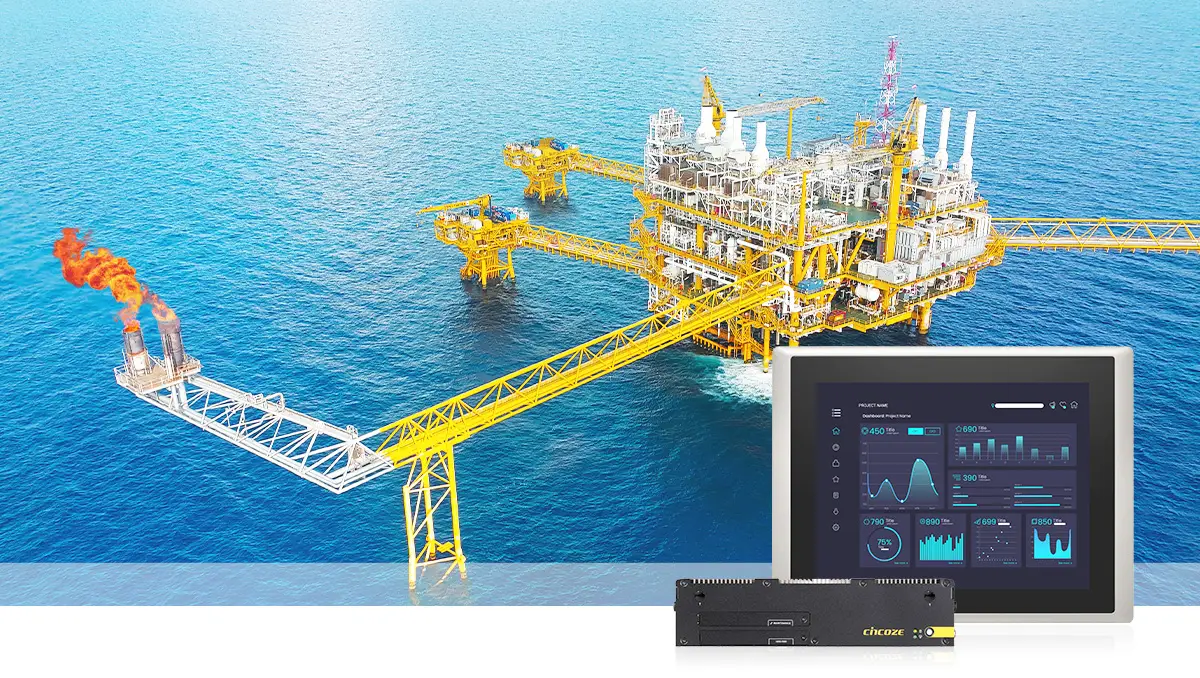
Liquid Crystal Displays (LCDs) serve as key interfaces in industrial, medical, transportation, and commercial fields. These displays provide steady visuals, accurate color output, and low power use in settings from vehicle dashboards to control room screens and outdoor signs. As work demands grow, attention now turns to longer service life and better reliability in tough settings. These include high or low temperatures, vibration, moisture, and nonstop operation. Failures in such places cause expensive stops, safety issues, and higher replacement costs.
This article looks at tested methods for building strong LCD products through careful design, added protection, and improvement steps.
The Lifespan Puzzle: What Makes an LCD Tick?
Key Components and Their Roles
LCD units include several linked layers. These layers cover LED backlights, liquid crystal cells, polarizers, thin-film transistor (TFT) arrays, driver electronics, and protective cases.
The backlight often sets the basic service time. Modern LED backlights reach 50,000 to 100,000 hours with good heat control. They work much longer than older CCFL types.
Liquid crystals and polarizers adjust light but stay open to UV light and temperature swings. These factors can cause shifts or wear over time.
Electronics and Housing Considerations
TFT arrays, flex cables, and controllers handle signal work and power flow. These parts meet risks from voltage jumps, heat changes, and physical strain.
Strong cases and seals block dust, water, and harmful materials that speed up failure. Industrial-grade builds often hit or pass 100,000 hours of use. This gives more than ten years of steady work in hard conditions.
Measuring the Long Haul
Performance numbers guide selection and checks. Mean Time Between Failures (MTBF) shows how stable operation stays for planning in key fields.
Lumen maintenance levels, such as L70, follow brightness hold over time. This matters most for outdoor and medical screens.
Wide operating temperature ranges, often from -30°C to +85°C, and shock or vibration ratings confirm fit for mobile, outdoor, or heavy industrial use.
Why LCDs Break: The Slow Burn of Failure
Primary Degradation Mechanisms
LCD issues build slowly from environment and use stress. Backlight wear stands as one main problem. LED light drops as phosphors age and heat builds. This leads to lower brightness and uneven light after long runs.
Environmental and Mechanical Threats
Moisture entry through weak seals causes rust, optical clouding, and electrical shorts.
Heat cycles strain adhesives and polarizers. UV light brings color change and material weakness. Electrostatic discharge (ESD) can harm sensitive electronics without proper cover.
Connector and cable wear from vibration or repeated motion breaks signal paths in time.
Real cases, such as transit kiosks facing weather shifts and touch, show how small factors add up and cut service life.
Engineering Endurance: Designing LCDs to Last
Component Selection Strategies
Long life starts with solid parts. High-efficiency LED backlights with good heat paths run cooler and use less power.
Industrial TFT panels use stronger glass and steady liquid crystal mixes that hold performance under strain.
Voltage-controlled drivers and smart dimming circuits cut wear by matching power to light around them.
Architectural and Thermal Innovations
Wide-temperature panel builds keep liquid crystal order across extreme weather.
High-brightness setups over 1000 nits, with anti-reflective layers, give sunlight view while easing backlight load.
Conformal coatings add a shield on circuits against moisture, dust, and chemicals.
Built-in heat sinks and auto brightness sensors hold best operating heat levels. This extends total system life in factory floors, outdoor spots, and vehicle uses.
Ruggedization: Armoring LCDs Against the World
Optical Bonding Techniques
Optical bonding joins cover glass or touch panels straight to the LCD face with clear adhesive.
This step removes air gaps that lead to internal fog in wet or changing temperature spots.
Bonded units also spread impact forces, raise vibration strength, and lower surface reflections. Lower backlight power can then reach the same view level.
Surface Protection and Enclosure Solutions
Chemically strengthened cover glass fights scratches and hits well.
Anti-glare and anti-fingerprint layers keep clear views and ease cleaning in high-touch areas.
IP65 or higher rated cases, with shock-absorbing mounts and gaskets, form sealed systems that handle water, dust, and physical wear.
Special nano-coatings give extra defense against UV wear and liquid entry.
Enhancement Services: Stretching Every Hour
Backlight and Hardware Upgrades
Switching old CCFL backlights to modern LED options raises brightness, boosts energy savings, and adds many work hours.
Protective layers and laminated glass sheets guard surfaces from wear and damage while keeping optical quality.
Repair, Restoration, and Predictive Approaches
Focused fixes, such as connector swaps, polarizer repairs, and firmware tweaks, bring old units back at lower cost.
Added monitoring sensors support predictive care by tracking backlight state, temperature, and vibration.
These steps help groups get the most from installed displays in logistics, manufacturing, and infrastructure work.
Miqidisplay: Expertise in Long-Life Solutions
As a professional display manufacturer and supplier, Miqidisplay provides custom LCD solutions with full engineering support.
The company offers optical bonding, custom LED backlights, touchscreen integration, rugged enclosures, and interface changes for specific industrial, medical, and specialized needs.
Products pass strict quality checks and reliability tests to meet tough application standards.
The Future of Unbreakable LCDs
Emerging Technologies and Materials
Future steps include modular builds with replaceable parts, AI-based self-adjustment for brightness and health checks, and IoT links for remote diagnostics.
Advanced materials, such as quantum-dot upgrades, point to higher efficiency and longer life than current levels.
Sustainable methods that focus on recycling and lower power use will improve environmental fit.
Conclusion
LCD longevity and reliability come from clear choices in materials, design, rugged builds, and improvement steps.
These methods turn displays into lasting assets that lower total ownership cost and support steady operation in hard settings.
FAQ
What is the typical lifespan of an industrial LCD display?
Industrial LCDs with LED backlights, wide-temperature parts, and proper rugged builds often reach 100,000 hours or more. Results vary with environment conditions and care practices.
How does optical bonding improve LCD durability?
Optical bonding removes air gaps to stop condensation and fog. It also raises impact and vibration strength while cutting reflections that would raise backlight work.
What factors most affect LCD longevity in outdoor or harsh environments?
Key factors cover strong heat control, moisture and dust seals, UV protection, vibration strength, and use of high-efficiency backlights with smart controls.
Can existing LCDs be upgraded for longer service life?
Yes. Backlight swaps, protective layers, part repairs, and sensor additions extend the work life of older systems in effective ways.
Partner with a Reliable Display Manufacturer
Business that need high-reliability LCD solutions for industrial monitors, medical equipment, rugged uses, or custom projects should work with an experienced display manufacturer and supplier.
Miqidisplay gives full support from design and optical improvements to complete assembly and testing.
Contact the team today to review project details, request technical review, or get custom proposals for long-life TFT LCD displays and industrial monitors that match exact performance and durability needs.
Secure solutions built for steady reliability and lower lifecycle costs.