









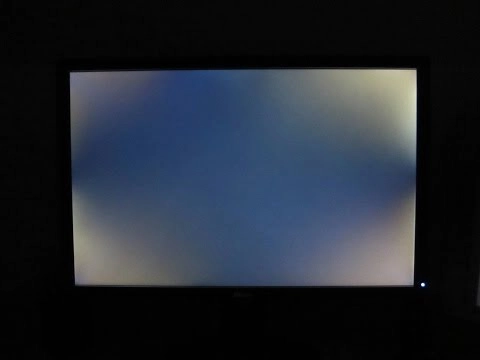
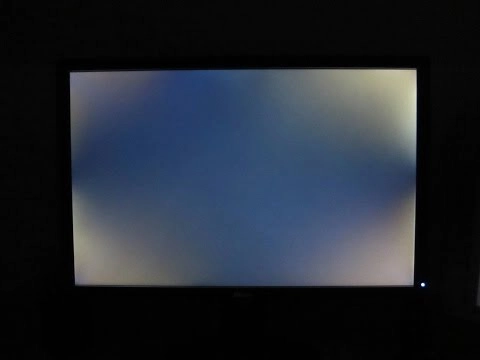
LCD screen light leakage, often called backlight bleed or edge bleed, is one of the most common optical flaws in liquid crystal display technology. This problem shows up as unwanted bright rings, spots, or shines. They appear mainly near edges, corners, or in certain spots when showing dark or black images. LCD panels let light pass through. They depend on a different backlight source, usually LED arrays. So, fully stopping extra light is hard. This comes from basic physical and design limits.
The next parts explain the main reasons for light leakage. They cover basic ideas and detailed tech points from current display making.
I. Core Technical Principles and Structural Factors
1. Working Principle of LCD Screens
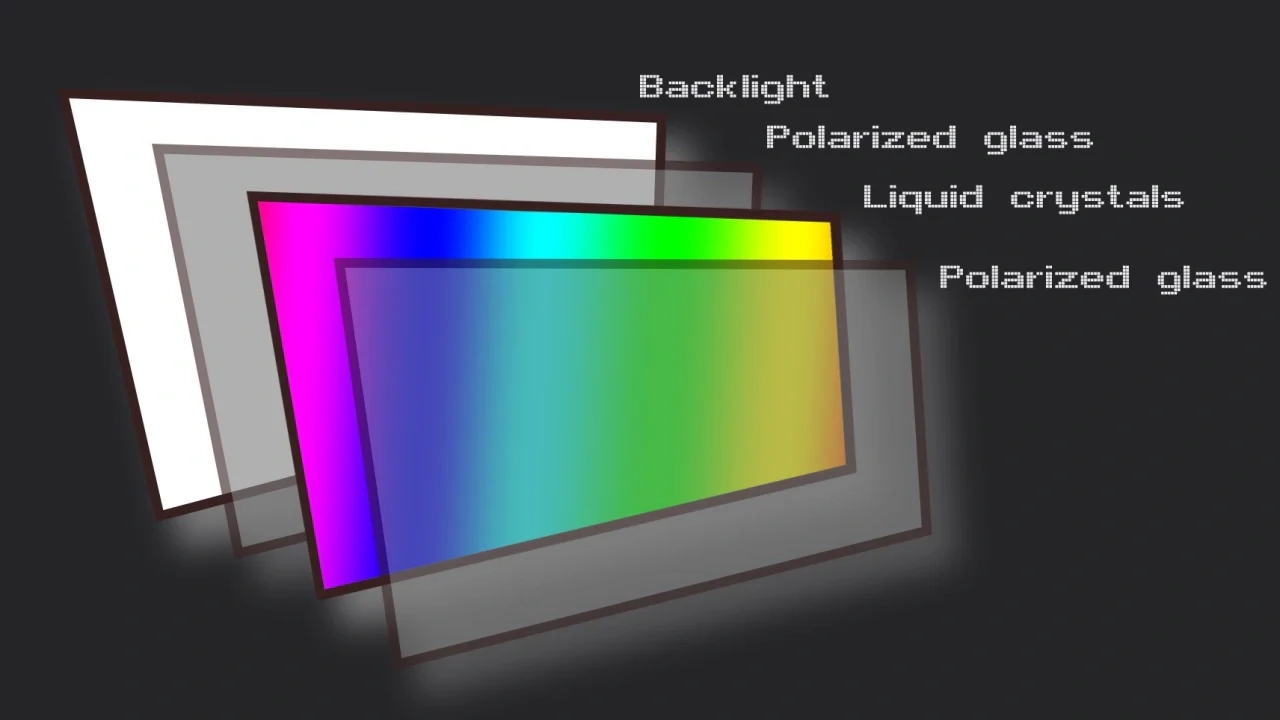
LCD displays control light, not make it. The backlight gives steady light. Liquid crystal molecules sit between polarizers. They turn to manage light flow. In the black mode, molecules line up to stop light. But some light gets through. This happens from poor polarization, limited contrast ratios, and side-view effects. As a result, leakage becomes clear.
2. Differences in Panel Types
- IPS panels: They get wide viewing angles from in-plane switching. But this setup lets more light out at slanted angles. So, it causes typical corner rings and cloud-like shines in dark scenes.
- VA panels: Vertical alignment gives better natural contrast and deeper blacks. They usually show less leakage. Yet, edge bleed can still happen in some cases.
- TN panels: They provide fast response but narrow angles. Their leakage sits between IPS and VA.
3. Structural Design Limitations
Many optical films are key. These include light guide plates (LGP), diffusion sheets, brightness enhancement films (BEF/prism sheets), and reflective layers. They need exact evenness, position, and space. If any part shifts, it makes wrong light routes. This occurs especially near panel edges. There, support parts meet the main display zone.
II. Manufacturing and Assembly Process Factors
These issues cause most differences between units. They also lead to bad leakage cases.
1. Insufficient Assembly Accuracy
Close limits are needed for bezel-frame stick, screw force, and inside part placement. Small shifts or spaces in clips, glues, or layer joins let backlight out.
2. Material Quality and Quality Control
Weak light guide plates make uneven spread. Low-strength shading tapes, foam pads, or rubber seals lose stick or bounce. Frames without enough strength bend under join pressure. This widens spaces.
3. Backlight Scheme Impact
Edge-lit setups put LEDs on one or more sides for thin builds. But they raise risk of edge and corner leakage. Direct-lit plans (with full-array local dimming) spread light sources even behind the panel. This gives better evenness and leakage control. However, they add thickness and detail.
III. Usage and Environmental Factors
Outside effects often make weak spots worse.
1. Physical Compression and Deformation
Too-tight mount screws, uneven push during setup, move bumps, or case pressure twist panel layers or frames. This opens light routes.
2. Environmental Temperature Changes
Different heat growth in plastic frames, metal bases, optical films, and glass parts makes tiny gaps or curves. It happens during fast or big temperature shifts.
3. Aging Effects
Long use makes seal stuff shrink, stiffen, or lose stick. Polarizer films and glues can wear out. Over time, leakage gets worse.
IV. Optical Film and Polarizer-Related Factors
Deep checks show light leakage often starts from stress changes in optical parts.
1. Polarizer Stress and Birefringence
Polarizer films (front and rear) use PVA (polyvinyl alcohol) layers joined with TAC (triacetate cellulose) bases. Heat differences, bend force, or lasting stress cause uneven shrink between layers. This brings birefringence changes and side light leakage. It stands out in IPS modes.
2. Optical Film Misalignment and Defects
Flaws in diffusion films, prism sheets, or reflective polarizers break even light spread. Bad evenness or dirt bits in these films make local bright points or uneven leakage shapes.
3. Stress from Panel Bending
Outside force or inside leftover stress from joining can curve thin glass bases. This shifts liquid crystal molecules. It makes leakage worse, mainly in high-heat use.
V. Mura, Clouding, and Their Relationship to Light Leakage
Mura flaws and clouding differ from backlight bleed. But they often mix with it.
1. Definition and Appearance
Mura means uneven brightness changes (dark/light spots, lines, or cloud areas) over the screen. It spreads more than edge-only bleed.
2. Primary Causes
Changes in liquid crystal layer thickness, line-up issues, uneven backlight spread, or diffuser flaws lead to mura. Clouding points to backlight unevenness. It comes from pressure cell gap shifts or backlight differences.
3. Overlap with Leakage
Bad clouding can look like or join backlight bleed. This happens in edge-lit plans or stressed panels. Making differences in backlight evenness often show both at once.
VI. How to Judge and Respond?
Mild Light Leakage: Faint edge rings seen only on full black patterns in dim rooms. This counts as normal in industry limits for most LCD tech.
Serious Light Leakage / Mura: Clear rings, cloud spots, lines, or points seen in usual light. They hurt contrast view and image clearness in pro, medical, or dark-room uses.
Response suggestions:
- Incoming Inspection Protocol: Check with full black test patterns in set low-light spots (<10 lux). Note and send back units over okay levels.
- Operational Adjustments: Raise set room light, cut backlight strength, or use software black level fixes if possible.
- Mounting and Handling Guidelines: Spread mount pressure even. Skip point pushes or face-down spot in store/move.
- Technology Selection: For jobs needing near-full black evenness, check self-light options (OLED, Micro-LED) or better LCD types with full-array local dimming and improved optical fix films.
Summary
LCD light leakage comes from a mix of basic light-pass display rules, detailed multi-layer optical builds, making exactness limits, material acts under force, and real use settings. Among them, polarizer stress, optical film quality, backlight build, and join limits stand as key tech causes of how bad it gets. Full quality checks in making, plus right use design, is the best way to cut its effect.
Miqidisplay stands as a professional LCD display manufacturer, supplier, and factory specializing in high-quality TFT LCD displays, industrial LCD monitors, OLED panels, and specialized display technologies. With over 20 years of OEM/ODM expertise, ISO-9001, ISO-14001, and TS-16949 certifications, the company delivers custom solutions including wide-temperature modules, high-brightness configurations, touchscreen integration, and tailored interfaces for industrial, medical, automotive, and other demanding applications. Products range from compact TFT modules to large-format stretched bar displays and industrial panel PCs, ensuring reliable performance and global supply to over 200 countries.
FAQ
What is the main cause of light leakage in LCD screens?
Light leakage primarily results from incomplete light blocking by the liquid crystal layer and unintended escape paths in the backlight module and optical stack.
Why do IPS panels show more light leakage than VA panels?
IPS designs prioritize wide viewing angles, leading to greater off-axis light transmission and corner halo effects compared to the vertically aligned structure of VA panels.
How do polarizer films contribute to light leakage?
Differential shrinkage and stress-induced birefringence in PVA/TAC polarizer layers cause retardation changes, allowing unintended light passage, especially under thermal or mechanical stress.
What is the difference between backlight bleed and mura/clouding?
Backlight bleed typically appears as edge/corner halos from backlight escape, while mura/clouding involves more diffuse brightness non-uniformity across the screen, often from cell gap variations or diffuser issues.
Can light leakage be completely eliminated in LCD displays?
Due to the transmissive nature of LCD technology, zero leakage is extremely difficult to achieve; advanced designs with local dimming and compensation films can significantly reduce it.
Partner with Miqidisplay for Superior LCD Solutions
As a leading LCD display manufacturer, supplier, and factory, Miqidisplay offers clients premium TFT LCD displays, industrial monitors, OLED solutions, and custom display technologies engineered for reliability in challenging environments. Businesses seeking OEM/ODM partnerships, custom configurations, or stable supply chains benefit from comprehensive services including R&D support, touchscreen integration, interface customization, and strict quality assurance. Contact the team today at mary@miqidisplay.com or WhatsApp +86 188 7965 2960 to discuss project requirements, request samples, or explore tailored solutions at https://miqidisplay.com/. Elevate product performance with proven display expertise.