







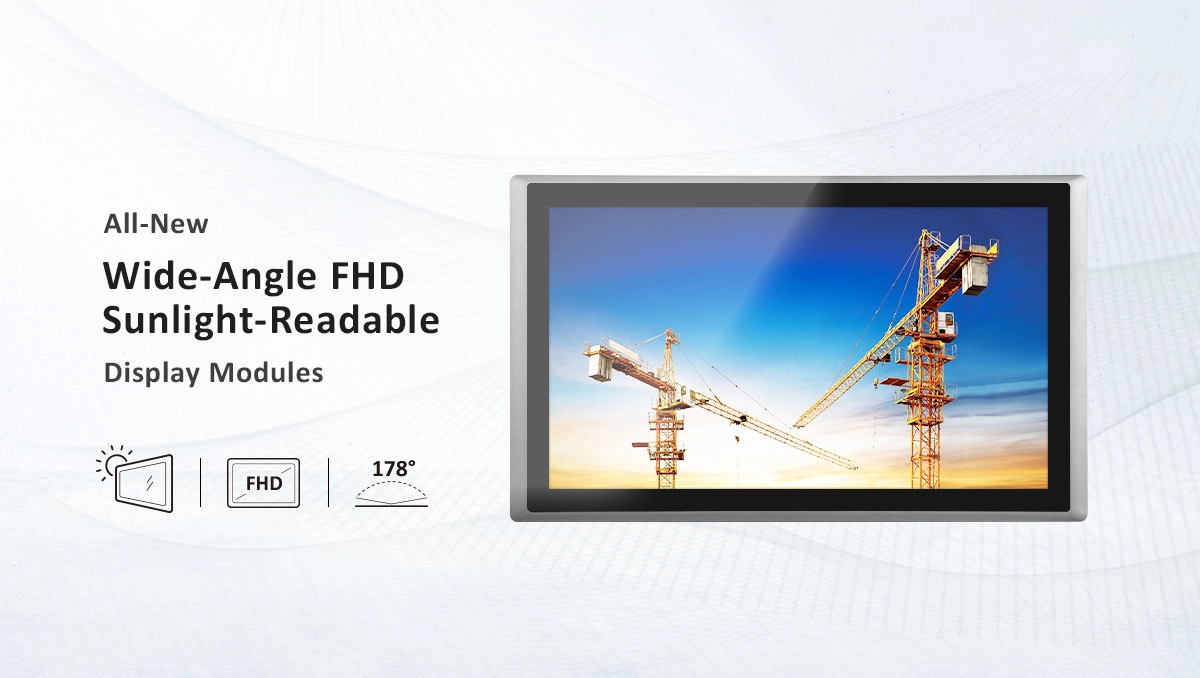
In display technology talks, a usual question pops up. It is Full HD vs IPS. Which one works better? The match-up feels like judging apples against oranges. Full HD points to resolution. In detail, it means the pixel number of 1920×1080. IPS names a panel type. That type directs how liquid crystals line up and work. Current displays often blend both. Take a Full HD IPS TFT display as an example. It brings clear detail. It also gives strong viewing results. Knowing the clear jobs of each helps pick the right fix for tasks. These tasks cover industrial monitors, embedded systems, or custom uses.
What is Full HD?
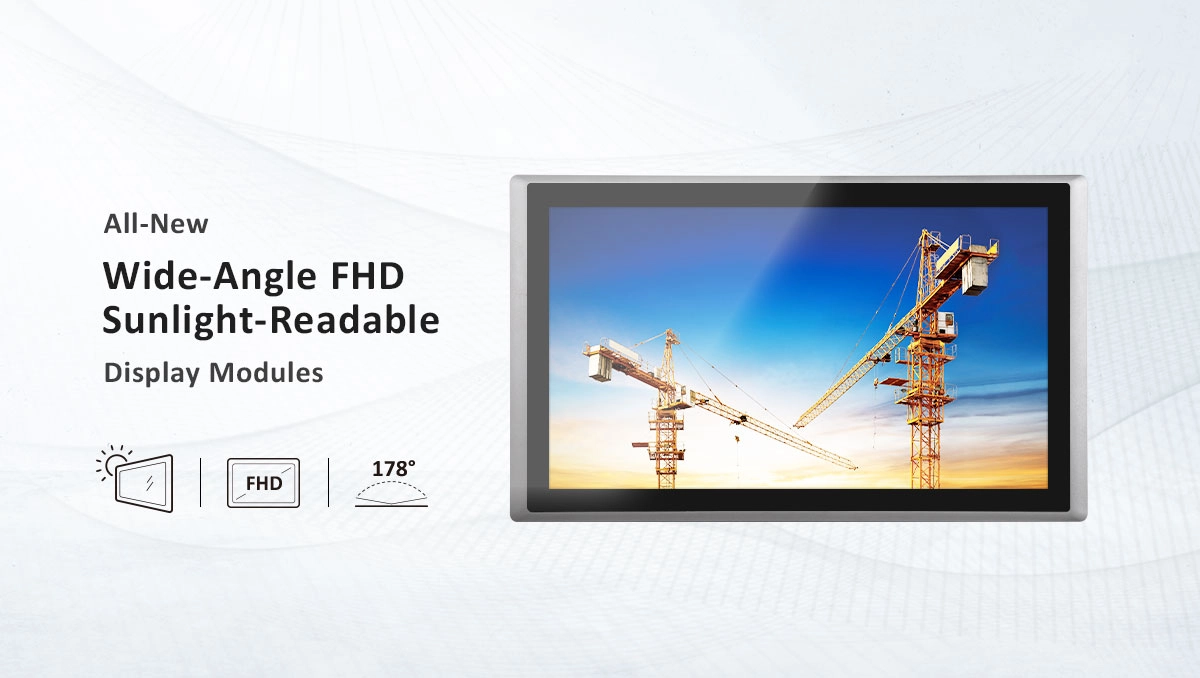
Full HD, cut short as FHD, means Full High Definition. It links to a resolution of 1920 pixels side to side by 1080 pixels up and down. That adds up to about 2.07 million pixels. This 16:9 aspect ratio has set itself as a broadly used standard in many devices. The reason is its even mix of image clearness and processing loads.
Pixel Count and Image Detail
The heart of Full HD sits in its 1920×1080 pixel setup. This resolution offers plenty of detail. Text stays easy to read at normal viewing spots. Icons look sharp. Graphical parts show even color fades without clear pixel breaks on screens from 7 to 24 inches.
Processing and Bandwidth Requirements
Full HD at 60 Hz with 24-bit color needs about 500 MB/s of memory bandwidth. This amount gets easy backing from most new embedded processors. Examples include ARM Cortex-A series, i.MX, RK, and others. It also fits standard DRAM setups. Thus, it makes a useful pick for industrial and HMI tasks.
Scaling Behavior and Content Compatibility
Content made first at lower resolutions scales neat to Full HD. Such resolutions include 1280×720 or 1024×768. They use whole number multiples like 2:1 or close. In the same way, 4K content shrinks okay to 1920×1080. It skips bad edge effects when right filters apply. This steady scaling way eases software building and content readying.
What is IPS?
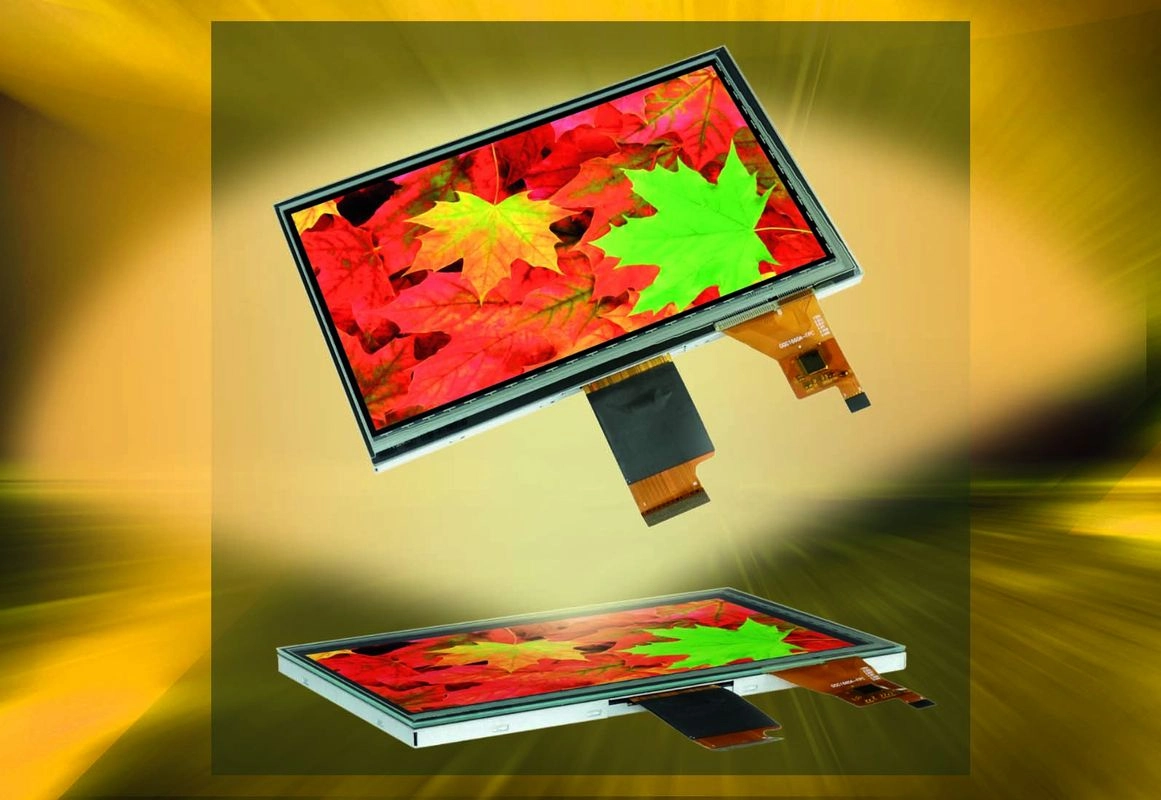
IPS, or In-Plane Switching, acts as a grown LCD panel type. Unlike past Twisted Nematic (TN) panels, where liquid crystals turn up and down, IPS sets crystals side by side in the display plane. This plan lets light flow more even no matter the viewing spot.
Liquid Crystal Alignment Mechanism
In IPS panels, liquid crystals turn inside the plane next to the glass bases. Voltage makes the molecules lean instead of turn. As a result, light flow stays more even across varied viewing paths.
Viewing Angle Performance
IPS type reaches viewing angles of 178° side and up-down with small change in gamma, hue, or brightness. Color and contrast hold firm even at far off-side angles. This differs from TN panels. Those often show clear drop after 30–40 degrees.
Color Accuracy and Gamut Coverage
Good IPS panels give fine color showing. They often cover 90–100% of the sRGB color space. They back true 8-bit color depth. That means 16.7 million colors. So, they fit tasks needing even and true color show.
Full HD vs IPS—Can They Be Compared?
Setting Full HD right against IPS skips the key. They handle different sides of display work. Full HD sets the pixel amount. It shows how much detail the screen can make. IPS sets the standard of how those pixels look to the watcher. It covers evenness in color, contrast, and sight.
Resolution vs Panel Technology
Resolution acts as a spec that fits even on TN, VA, IPS, and other LCD kinds. A Full HD TN panel holds the exact same pixel count as a Full HD IPS panel. But the sight feel changes a lot because of the base panel type.
Complementary Rather Than Competitive
The best displays blend right resolution with the proper panel type. The issue is not Full HD or IPS. Instead, it is which resolution plus which panel type best fits the task needs.
Differences Between Full HD and IPS
Full HD Resolution Characteristics
- Fixed pixel matrix of 1920×1080
- Approximately 4 MB frame buffer requirement for 24-bit color
- Predictable computational and memory load
- Straightforward integration with standard video interfaces
IPS Panel Characteristics
- Wide 178-degree viewing angles with negligible gamma or hue shift
- Response times typically 4–8 ms (suitable for industrial HMI)
- Superior color gamut and accuracy
- Slightly higher power consumption due to backlight design
Power Consumption and Efficiency Considerations
Power saving stands as a key part in industrial and embedded setups. There, devices run non-stop or use small power supplies.
Impact of Resolution on Power
Resolution has little straight effect on power use. The main parts are backlight strength, refresh rate, and interface work. These matter more than pixel number by itself.
IPS vs TN Power Comparison
IPS panels often use 10–30% more power than same TN panels. The reason is the need for a firmer, more even backlight. This helps get wide viewing angles and high color match. In always-on industrial spots, this gap usually works fine. The sight gains make it worth it.
Viewing Angle Performance in Real-World Industrial Environments
One of the most useful gains of IPS type shows in group-user or odd spot cases.
Multi-Operator Control Rooms
In control rooms or production watch posts, many operators look at one screen from varied spots. IPS keeps even read ease and color truth for all.
Portable and Handheld Devices
Check tools, mobile HMI panels, and field work gear often mean viewing from different angles. IPS makes sure key info stays clear no matter the hold way.
Machinery-Mounted Displays
Displays fixed on gear at non-straight angles gain much from IPS. It stops wrong reads of data or warnings.
When to Choose Full HD + IPS Over Other Combinations
Full HD and IPS do not clash. They aid each other well. The top pick relies on task needs.
Situations Favoring Full HD + TN
- Cost-sensitive projects
- Single-user, front-facing installations
- Applications requiring the absolute fastest response time
- Extremely power-constrained battery-operated devices
Situations Favoring Full HD + IPS
- Multi-user or off-axis viewing environments
- Applications requiring color-critical accuracy
- High-ambient-light or sunlight-readable installations
- Long-term reliability in variable viewing conditions
In real use, many industrial monitors and custom TFT LCD choices now add Full HD IPS panels to fill these needs. They support features such as capacitive touch, wide operating temperatures (-30°C to 80°C or broader), and multiple interfaces (HDMI, VGA, LVDS, MIPI).
FAQ
What does Full HD mean in displays?
Full HD refers to a resolution of 1920×1080 pixels, offering approximately 2.07 million pixels for detailed, high-clarity visuals in a 16:9 aspect ratio.
Is IPS better than other panel types for viewing angles?
IPS technology provides up to 178-degree viewing angles with consistent color and brightness, outperforming TN and often VA in off-axis performance.
Can a display have both Full HD resolution and IPS technology?
Yes, many modern displays combine Full HD (1920×1080) with IPS panels, delivering sharp detail and excellent viewing consistency.
When should Full HD be chosen over higher resolutions?
Full HD suits most industrial and embedded applications due to its balance of clarity, processing efficiency, and compatibility, especially on screens under 24 inches.
Why choose IPS for industrial applications?
IPS ensures reliable visibility from multiple angles, accurate colors, and stable performance in harsh conditions, making it ideal for control systems and multi-user setups.
Does IPS consume significantly more power than other panels at Full HD resolution?
IPS panels typically use 10–30% more power than TN equivalents due to backlight requirements, but the difference remains manageable in most powered industrial setups.
Partner with a Leading Industrial Display Manufacturer
For partners seeking reliable, high-performance display solutions, Miqidisplay offers premium custom TFT LCD and IPS TFT displays tailored to specific project needs. As an experienced display manufacturer and supplier with over 20 years in OEM/ODM production, the company provides industrial-grade monitors, wide-temperature IPS panels, Full HD options, high-brightness configurations, and comprehensive customization—including interfaces, touch integration, enclosures, and environmental protections. Certified under ISO-9001, ISO-14001, and TS-16949, Miqidisplay ensures consistent quality, 90% on-time delivery, and dedicated support for industrial automation, medical equipment, automotive systems, and other demanding sectors. Contact the team today to discuss requirements, request samples, or explore tailored solutions that enhance product reliability and performance.