





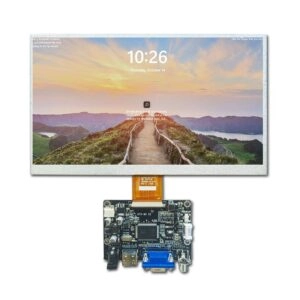
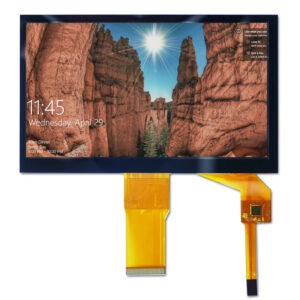


Electrostatic discharge (ESD) is a quick burst of static electricity between two things with different charges. People often feel this as a tiny shock after walking across carpet and touching a metal doorknob. In electronics work, especially with sensitive parts like TFT LCD displays, industrial monitors, ESD can hit voltages over 10,000 volts. It does not hurt people much, but it can seriously harm the tiny conductive lines in chips. This leads to instant breakdowns or hidden problems that cut product life and trust.
Modern displays use very small parts and fragile materials, so they face higher ESD risks. Damage may not show right away. It can appear later as random glitches or shorter working time. Makers and sellers need strong ESD protection at every step: during making, putting together, shipping, and final use. This keeps quality high.

Main Reasons for Damage Caused by ESD on Displays
ESD hurts display modules in several ways:
- Static pull draws dust to surfaces. This lowers insulation strength and speeds up wear over time.
- A direct ESD hit overloads parts. It can break drivers, controllers, or pixel circuits completely.
- The noise from ESD creates strong, wide-range interference. This messes up normal work or harms sensitive lines for good.
These issues hurt display work in tough fields like factory automation, medical gear, and control setups.
The Main Factors Causing Static Electricity
Static charge builds up due to a few linked things:
- Contact area — Bigger touch between materials moves more charge.
- Pressure — Harder push during contact makes more charge.
- Friction — Rubbing or pulling apart materials, especially non-conductors, boosts static through triboelectric action.
- Humidity — Low humidity lets static grow high because dry air slows charge loss. Higher humidity near 60% cuts charge buildup a lot by letting it leak naturally.
These elements raise ESD danger during the full life of LCD displays, from factory to setup at the end.
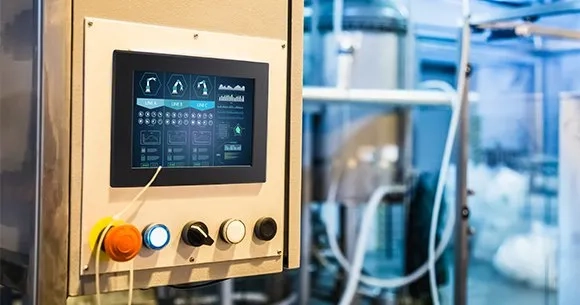
Ways to Protect the Display Against ESD
Good ESD control needs layers of steps. This includes managing the room, rules for people, circuit protection, packing methods, and tips for final users.
Environment Control
Keeping the right setting at work is the base for stopping ESD.
- Humidity regulation — Dry air, mainly in fall and winter, builds thousands or tens of thousands of volts. Adding humidifiers to keep relative humidity close to 60% lets materials take in moisture and release charge. This lowers ESD chances.
- Anti-static work zones — Special ESD Protected Areas (EPA) use grounded floors, benches, and ground connections. All tools in the EPA stay at the same potential as ground to avoid charge gaps. Anti-static tools, mats, and ionizers clear charges from the air too.
Personnel Regulations
People make most static from moving and clothes. Staff who handle sensitive displays must follow grounding rules closely. Wrist straps give the best ground link and keep draining charge all the time. ESD-safe clothes, shoes, and heel straps stop charge on bodies and outfits. Checking wrist straps and shoe covers every day makes sure they meet resistance rules and stay effective.
Design of the Display Circuits
Building protection into the circuit from the start raises ESD strength. Input and output ports get special paths to ground for discharge. Adding transient-voltage-suppression (TVS) diodes between power lines (like VDD and ground) limits spike voltage. Metal shields and ground connections pull ESD energy away from inside parts. Smart trace layout and part placement keep weak lines safer.
Packaging and Transportation
Right care during storage and shipping avoids ESD outside safe zones. ESD-sensitive displays need anti-static bags, foam pads, or conductive boxes always. These items release charge safely instead of letting it build. In transport, ground conductive wheels, chains, and conveyors to stop triboelectric charge. Keep insulating stuff away from sensitive items too.
ESD Protection from Clients
End-users, like assemblers and integrators, handle protection in final setup. Workers should avoid touching key parts like FPC connectors or driver ICs without ground steps. Ground metal frames or chassis for extra discharge routes. Following anti-static rules helps displays last longer in real use.
In Conclusion
Strong ESD protection means treating every electronic part as static-sensitive. Main steps include:
- Avoiding touch on sensitive spots without good grounding.
- Grounding all tools, machines, and work surfaces.
- Keeping equipotential setup in ESD-protected zones.
- Checking personal ground items like wristbands each day.
- Keeping static-making insulators out of safe areas.
These steps together protect display reliability from start to use.
Frequently Asked Questions (FAQ)
What is ESD and why is it particularly harmful to TFT LCD displays?
ESD is the fast move of static charge, often with high-voltage bursts. Thin-film transistor parts and tiny connections in new displays cannot take these hits. This causes circuit breaks, shorter life, or hidden faults.
At what stages of the display lifecycle does ESD risk occur most frequently?
Risk is highest during making, assembly, packing, shipping, and setup. Bad handling at any step can cause harm.
How does humidity affect ESD generation?
Low humidity raises static buildup because it slows natural charge loss. Keeping around 60% relative humidity cuts ESD events a lot.
What are the most effective personal ESD protection measures?
Wrist straps to ground, plus ESD clothes, shoes, and daily checks, give solid personal safety.
Can circuit design alone prevent ESD damage?
Things like TVS diodes and grounded shields boost resistance, but they work best with room control and handling rules for full cover.
Partner with a Trusted TFT LCD Display Manufacturer and Supplier
As a leading TFT LCD display manufacturer, supplier, and factory, Miqidisplay delivers high-reliability solutions engineered for demanding environments. With over 20 years of OEM/ODM expertise, the company offers a wide range of products, including round LCD displays, industrial monitors resistant to static electricity and harsh conditions, high-brightness TFT panels, and custom modules tailored to industrial, medical, and automation applications. Strict quality controls, ISO certifications, and advanced R&D ensure robust performance and ESD resilience in final assemblies.
Partners seeking dependable displays with enhanced protection features benefit from Miqidisplay’s one-stop services, including customization, driver board integration, and global support. Contact the team today via email at mary@miqidisplay.com or WhatsApp at +86 188 7965 2960 to discuss project requirements, request samples, or obtain tailored solutions that prioritize quality and longevity.