






In open-air settings, clear sight stays essential
In open-air settings, clear sight stays essential. It serves as a basic need for tools from farm controls and electric car charging spots to boat panels. Screen sharpness under straight sun rays affects work speed, user protection, and full system trust. Sunlight readable LCDs appear as built fixes to handle these tough needs.
What Makes an LCD Sunlight Readable?
Gaining clear view in strong outdoor light calls for many steps
Gaining clear view in strong outdoor light calls for many steps. Just boosting brightness does not work well; smart plans add ways to cut glare, raise contrast levels, and improve sight from different sides. These parts together fight the strong outside light that can make screens useless.
Key ways help this skill:
Transflective LCD technology
This mixed type joins transmissive and reflective traits, using both outside light and inside backlighting for even glow. It works very well in changing light cases, like some shade or cloudy days, by quickly changing to surroundings.
High-brightness backlights
Levels over 1000 nits beat sun blocks, keeping sharp images even at noon peak. Such backlights often use LED groups set for heat control, stopping hot spots or wear over years.
Anti-reflective coatings
Put on the screen top, these layers spread incoming light beams, cutting sharp reflections by up to 90%. Items like magnesium fluoride or multi-layer dielectric films boost pass-through while keeping true colors.
Optical bonding
By adding clear resin between the LCD panel and cover glass to fill air space, this method lowers inside reflections and strengthens hit resistance. The outcome brings better seen contrast—often 20–30% gain—and fewer shift mistakes in touch types.
Build teams check these methods against job needs, like power limits, heat limits, and build rules. For example, battery-low portable units like transflective plans for less energy use. But fixed spots gain from high-brightness sets. Full tests under fake sun loads (e.g., ASTM standards) prove results. They ensure screens keep clear at light levels matching 10,000 lux areas.
These joined traits not only keep clear view but also lengthen device life by cutting heat strain and UV color loss. In uses like tough tablets or kiosk panels, such improvements mean fewer field breaks and lower full costs.
Why Standard Displays Struggle Outdoors
Screens made for inside focus on low cost
Screens made for inside focus on low cost and good work in steady light, usually 100–500 lux. Contact with outdoor strengths—often 10,000 lux or more—shows weak points. This leads to faded pictures, lower contrast, and much glare. These problems come from poor surface fixes and low light output. They cause key info to hide.
Such flaws show clearly in important fields:
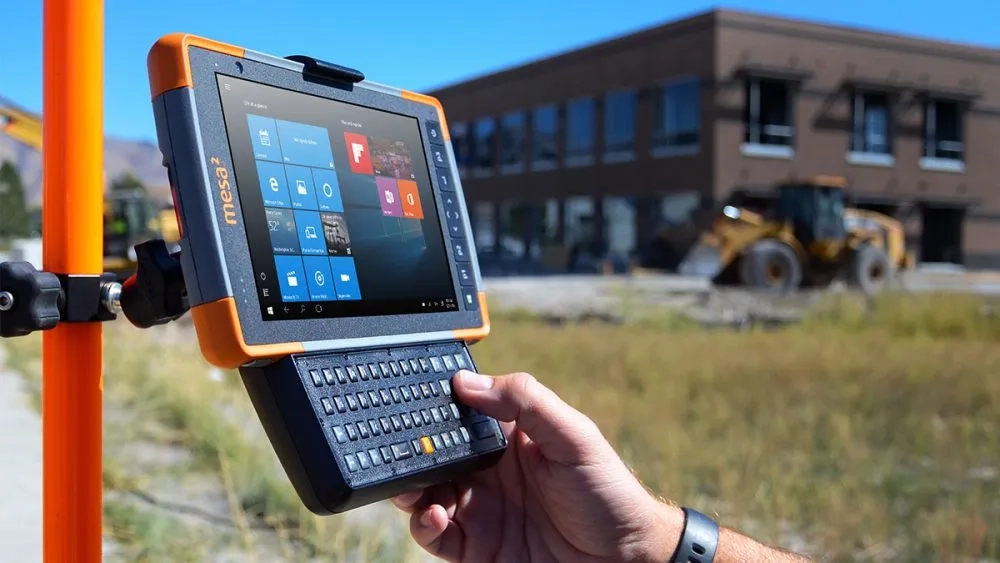
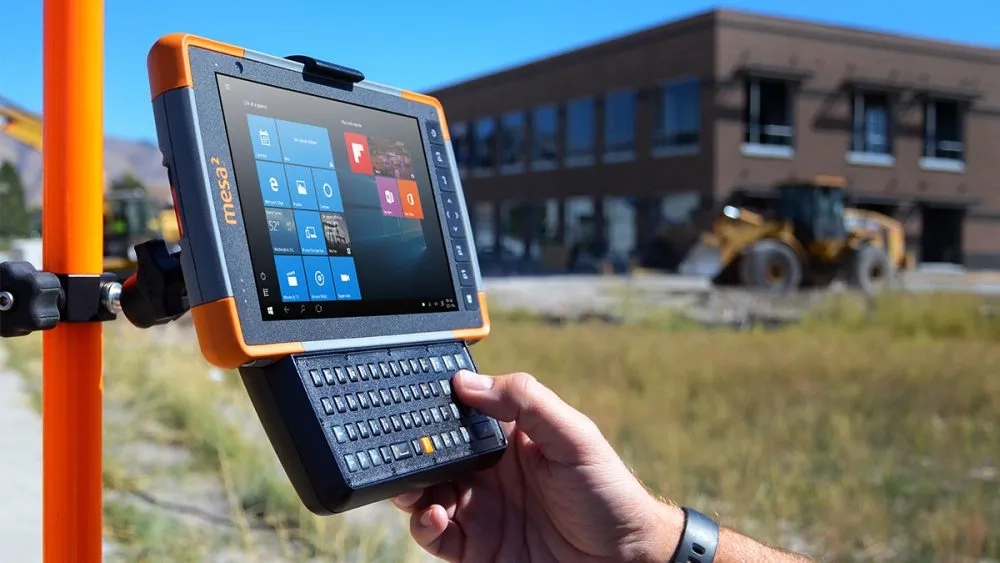
Construction or farm tools
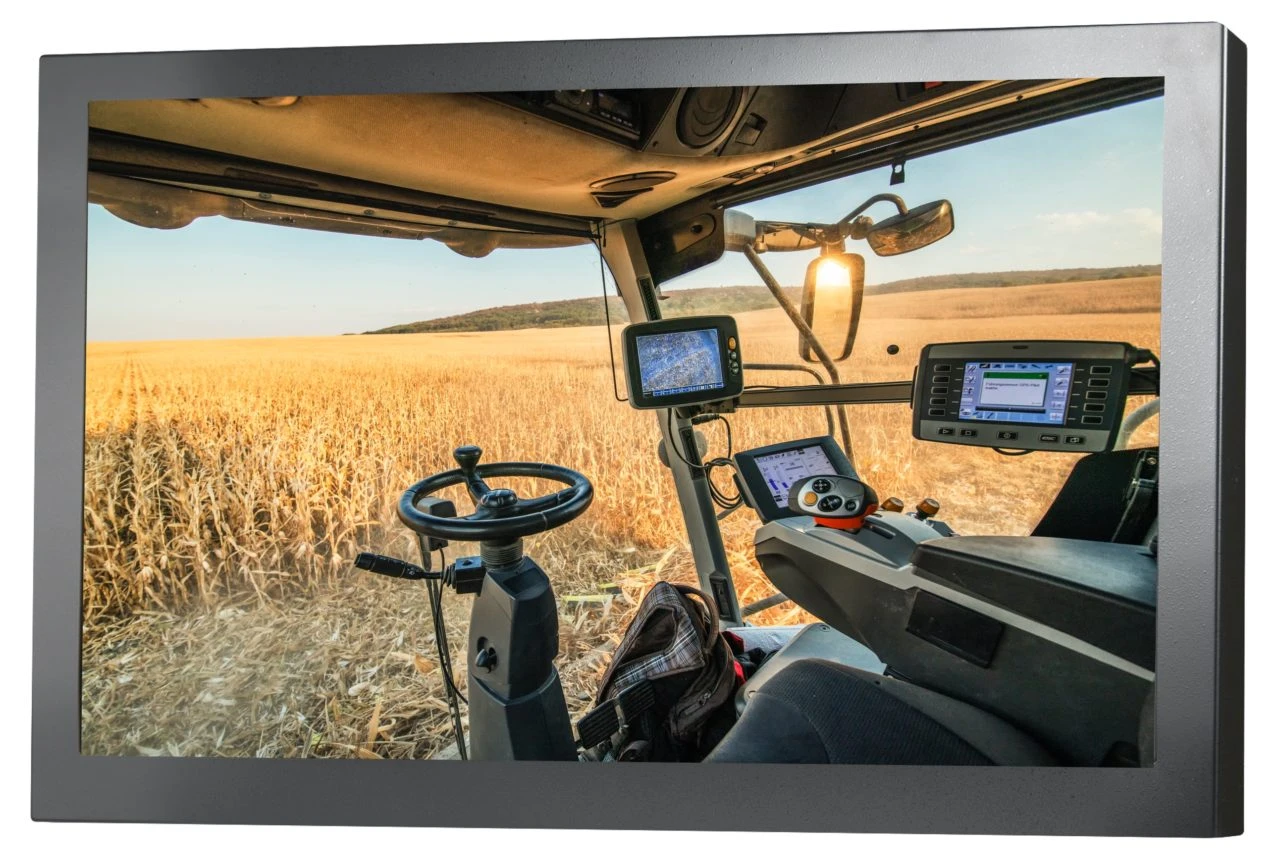
Workers need instant checks and controls; unclear screens slow jobs, raise mistake chances, and hurt machine run time. For instance, a harvester panel fading in sun might lead wrong changes, hurting crop or safety.
Outdoor sales or pay terminals
Deal screens must stay easy for public use; glare errors upset people, cutting speed and earnings in busy spots like parks or bus stops.
Field hand devices
Land checkers or inspectors in far places face extra issues when screens fail. This causes wrong data or longer times that worsen battery use.
Car-mounted check screens
Fleet bosses and techs need clear views for fixes; sun fade extends stop time, raising work costs.
These sight fails spread to bigger wastes: longer tasks, more user upset, and possible safety events. Fix-adds—like sun shades or more power—bring later costs and build issues. Early add of sunlight-readable traits in first build avoids these traps. It smooths cases and power parts while keeping schedules.
Field stats highlight the common issue; checks show over 60% of outdoor sets face clear view complaints in the first year with store panels. In comparison, made-for-purpose fixes cut help calls by up to 40%. They promote easy fit into IoT systems or edge compute sets.
Display Technologies That Support Outdoor Use
A range of LCD types handles outdoor sight
A range of LCD types handles outdoor sight, each set for unique weather types. These techs balance light output, power use, and strength. Settings adjust via custom backlights, touch layers, or tough glass.
Transflective TFTs
These shine in mixed light by reflecting up to 50% of outside light while adding backlighting. Fit for portable checks or wear items, they reach 500–800 nits useful brightness at half the power of full transmissive ones, with sight angles up to 170 degrees.
High-brightness TFT LCDs
Giving 1000–2000 nits, these lead full-sun uses like EV chargers or sun trackers. Resolutions from 800×480 to 1920×1080 handle detailed images, with wide-temp types (−30°C to 85°C) keeping work in harsh weather.
Reflective TFTs
No-backlight work uses 100% outside reflection, perfect for very low-power cases like far sensors or e-paper mixes. Contrast levels top 1000:1, but they lag in dim light shifts.
Optimized monochrome displays
Part and letter LCDs, improved with polarizers and chosen backlights, give cheap clear view for status signs. Custom marks and low refresh cut power to under 1 mW, suiting meter or alert panels.
All types allow adds like capacitive touch for glove use, Gorilla Glass for scratch fight, or IP67 seals against dust and water. Build teamwork covers model making to big output, adding fake tests for glare checks and fast life tests per MIL-STD-810.
In real use, a 10.25-inch car panel at 1000 nits might join MIPI links for easy ECU ties. While a 4.3-inch hand unit uses optical bonding to stop fog in wet fields. These block builds allow growth, from small tests to million-unit makes.
Built for Real Environments, Not Just the Bench
Past lab numbers, outdoor screens must handle real stress
Past lab numbers, outdoor screens must handle shakes, wetness, and heat changes—things that harm glues or polarizers over time. Use notes from suppliers detail contrast set via voltage tweaks, power maps for sun power join, and timing rules for no-flicker renews.
These tools help OEMs test options, avoid usual mistakes like too much brightness for shade use, and speed checks. When more details need, direct build talks improve picks, adding EMI rules or touch feel.
As smart systems grow—from power grids to self-drive farm machines—outdoor clear view shifts from extra to must. Screens now link with AI data checks, needing steady sharpness for right inputs.
Why It’s More Relevant Today
The rise in edge-set IoT and green builds
The rise in edge-set IoT and green builds boosts the want for strong sights. City green plans, far checks, and electric travel all depend on panels that work under constant sun. Rules like IEC 60945 for boats or ISO 16750 for cars more often require high-light compliance. This pushes builds to joined optics and auto dim.
This change highlights a tech-first view: choices focus on job match over common specs, giving best systems.
Frequently Asked Questions (FAQ)
What brightness level is recommended for sunlight readable LCDs?
A minimum of 1000 nits works for most direct-sun uses, with 1500+ nits best for equator or high-spot sets to fight top sun strength.
How does transflective technology differ from high-brightness backlighting?
Transflective uses outside reflection to save power in mixed light, while high-brightness depends only on inside LEDs, giving better dim-light work but more energy.
Can standard indoor LCDs be retrofitted for outdoor use?
Fix-adds via coatings or shades give small wins but often fail long; born sunlight-readable plans join these from start for best strength.
What industries benefit most from these displays?
Fields like agriculture, transportation, construction, and energy builds see the top ROI through better safety and output.
How long do sunlight readable LCDs typically last in outdoor conditions?
With right UV guard and seals, lives top 50,000 hours, matching inside ones but with faster promises for weather strains.
Partner with Miqidisplay, Your Trusted Factory for Custom Sunlight Readable Solutions
OEM manufacturers and system integrators seeking reliable suppliers for sunlight readable LCDs will find Miqidisplay as a premier factory with over 20 years in OEM/ODM production. As a certified manufacturer (TS-16949, ISO-9001, ISO-14001), Miqidisplay delivers high-brightness TFT panels—from 600 to 1200 nits—tailored for automotive, industrial, and marine applications, complete with custom interfaces, touch integration, and wide-temperature ranges (−30°C to 85°C).
Submit project specs today via mary@miqidisplay.com or WhatsApp +86 188 7965 2960 for a 48-hour solution proposal and quote. Elevate production efficiency with 90% same-day shipping and global compliance—contact Miqidisplay to prototype your next outdoor display innovation.