

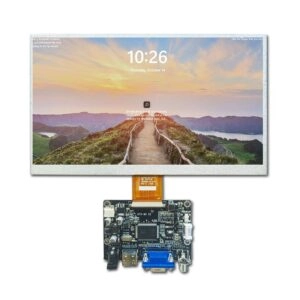
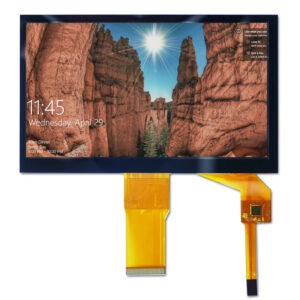

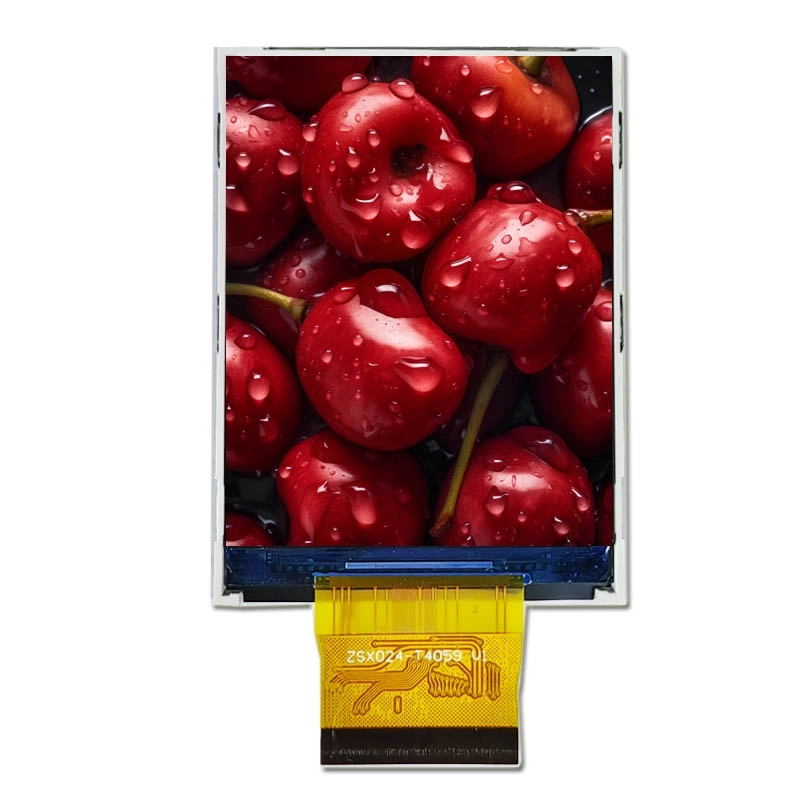
Choosing between MIPI and LVDS display interfaces forms one basic hardware choice in the design of embedded products that use TFT LCD panels. Both interfaces work as differential serial ways to send pixel data from the system-on-chip to the display panel. Yet they came from different areas. MIPI DSI started in the mobile field. It puts focus on low power use and few pin counts for short connections. LVDS often works through FPD-Link. It has acted as a steady standard for bigger industrial and medical panels for many years.
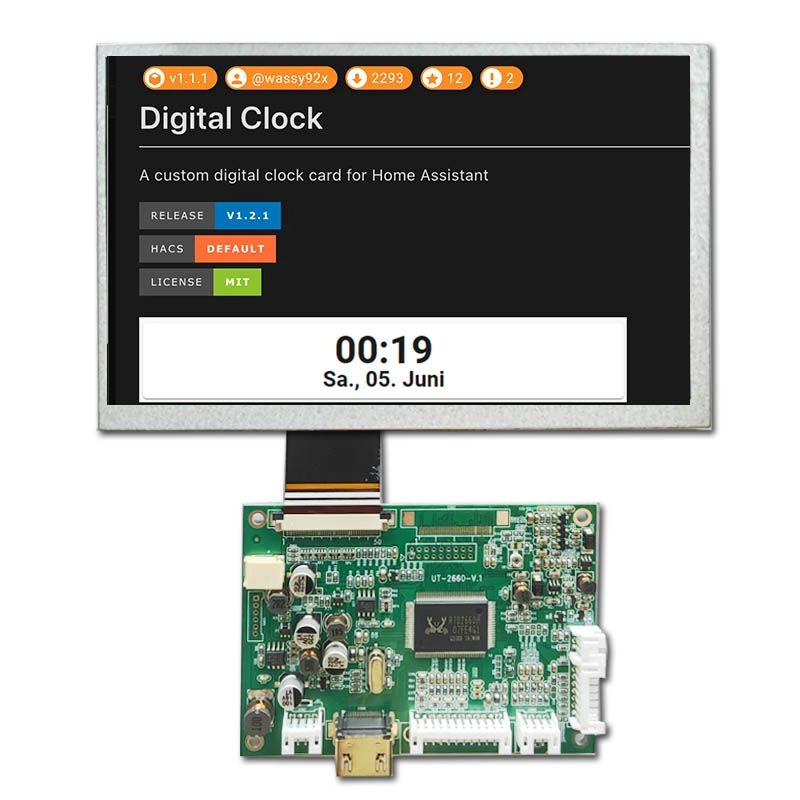
MIPI vs LVDS at a Glance
MIPI DSI works well for small to medium panels. Modern SoCs drive these panels straight over short flex cables. Power efficiency and fewer pin counts matter most here. LVDS gives a strong choice for larger panels, longer cable runs, and tough industrial uses.
Key Differences Overview
The quick summary shows that MIPI DSI does great in tight, power-aware designs with short links. LVDS stands out in uses that need more distance, strength, and fit with known industrial supply chains. Parallel RGB stays as one usual choice for smaller modules. It has simple design and low cost. But it needs a wide bus with many signal lines. This limits it to very short distances. MIPI and LVDS fix these issues. They send data in serial form over fewer differential pairs. This step improves efficiency and signal quality.
When Each Interface Shines
Design teams check several factors. These include bandwidth needs, electromagnetic compatibility, and long-term supply. MIPI helps with smooth setup in battery-powered or tight-space devices. LVDS keeps good signal quality over longer distances in noisy places. The next parts give full details. These help teams make smart choices in design checks.
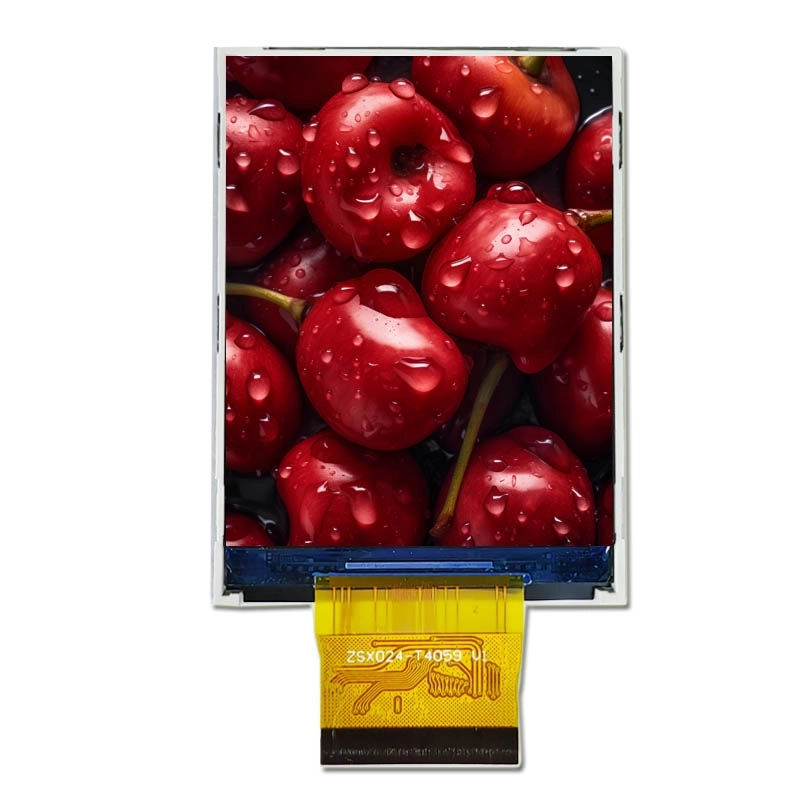
What Is MIPI DSI?
MIPI DSI, or Display Serial Interface, is a standard from the MIPI Alliance. This group also sets the camera serial interface common in smartphones. It runs over the D-PHY physical layer with differential pairs called lanes.
How MIPI DSI Works
A normal MIPI DSI link has one clock lane and one to four data lanes. Each lane is a differential pair. The D-PHY layer has two main modes. High-Speed mode sends pixel data with low-swing differential signals. It reaches per-lane rates near 1–1.5 Gbps or more in new versions. Low-Power mode handles commands and idle times with single-ended signals. Four lanes can support Full HD resolutions and more without trouble.
DSI panels run in Video mode. This mode sends pixels all the time like older displays. Or they use Command mode. In this mode, the panel has its own frame buffer. It gets updates only when needed. This feature helps battery-powered devices that show mostly still screens. Data lane 0 allows two-way talk. It lets the system read panel status and identification.
Strengths and Limits of MIPI DSI
MIPI DSI does well with low pin count, low power use, less electromagnetic interference, and wide built-in support in modern application processors. Its main limit is transmission distance. D-PHY works best for chip-to-chip or short flex printed circuit links, often under 30 cm. Going past this range brings issues with signal quality and EMI. These need careful work.
In real use, MIPI DSI allows tight designs with good power control. It fits portable or space-limited applications. The high-speed lanes give plenty of bandwidth with fewer links than parallel setups. Low-Power mode cuts total energy use a lot during quiet times. Setup needs exact impedance control on PCBs. But it lowers connector complexity overall.
What Is LVDS?
LVDS means Low-Voltage Differential Signaling. It is an electrical standard. In display use, it usually points to FPD-Link. This is a protocol on LVDS signaling. It has become common for laptop, monitor, industrial, and medical applications.
How LVDS Works
FPD-Link puts RGB pixel data in serial form. It often uses a 7:1 ratio over a few differential pairs plus a clock pair. A single-link 24-bit setup uses four data pairs and one clock pair. Dual-link doubles the data pairs for higher resolutions. Throughput depends on the pixel clock. For example, at about 85 MHz, each data pair runs near 595 Mbps. Unlike MIPI, LVDS acts as a steady, one-way stream. It has no command channel or panel frame buffer. It needs constant send of pixel data, clock, and sync signals.
Strengths and Limits of LVDS
LVDS gives very good strength over distance. Differential signaling brings strong noise protection. It supports cable runs of one meter or more without fail. This fits internal harnesses in kiosks, machinery, or medical equipment. The established system provides wide supply and second-source choices. Limits include more pin counts than MIPI for the same data, higher steady power use from links that stay on, and no smart command options.
In noisy electrical or stressed mechanical settings, LVDS keeps signal quality where others may fail. Its long record in industrial use matches well with known supply chains and design ways. Designers like the easy routing rules and steady work across temperature changes.
MIPI vs LVDS: Detailed Comparison
Several main factors set the two interfaces apart. Bandwidth efficiency helps MIPI. Its quicker per-lane rates support higher resolutions with fewer wires. A 4-lane MIPI setup and single-link LVDS setup often need about the same number of pairs. Still, MIPI allows more growth in resolution before extra hardware is needed.
Cable Length and Environment Factors
Cable length and working environment often decide the pick. Short on-board or FPC connections fit MIPI nicely. Longer harnesses or noisy industrial setups match LVDS better. Factors like vibration, extreme temperatures, and electromagnetic interference also affect the choice.
Power Consumption and Application Fit
Power needs change with the application. MIPI Command mode gives big savings for static displays in battery setups. LVDS fits mains-powered gear where steady work has little effect. Designers need to weigh these points against full system needs, including thermal control.
Cost, Sourcing, and Future-Proofing
Cost and sourcing show differences in related hardware. MIPI can make connectors and flex cables simpler. But it needs exact PCB layout. LVDS gains from cheap, easy components common in industrial chains. Interface bridges let conversion happen between MIPI and LVDS. This adds small cost and delay but gives more options in processor-panel matches. Future-proofing means checking room for higher resolution or refresh rate. MIPI does this with more lanes. LVDS uses dual-link setups.
How to Choose: MIPI or LVDS for the Project
Choose MIPI DSI If
The panel size is in the small-to-medium range, about 10 inches or smaller. It sits close to the SoC. Power or battery limits exist. Or the user interface stays mostly still. This uses Command mode benefits. Lowest pin count is necessary. The processor shows MIPI DSI by default. The link uses short FPC instead of long cables.
MIPI supports setup in tight, energy-saving systems. These cover consumer electronics, portable medical devices, and embedded HMIs. Space and power improvements matter a lot here. Early tests with prototypes check performance in target conditions.
Choose LVDS If
Panel size is medium to large, 10 inches and above. Or it needs higher resolutions. The display sits farther away or links through a cable harness. The application uses tough, EMI-heavy industrial environments that need strength. The supply chain or current platform uses LVDS panels as standard.
LVDS does well in industrial automation, medical imaging, kiosks, and similar cases. These need steady long-distance send and strong handling of conditions. Its maturity shortens check time for new projects.
Considerations for Interface Bridges
Bridge ICs make conversions possible in both ways. They let MIPI-only processors run LVDS panels or the other way. They add some board space, cost, and delay. But bridges help pick the best parts without complete redesign. Early review of connectors, cabling, and bridges makes setup easier.
Other points cover thermal management, mechanical fit, and long-term supply. Tests of prototypes in real conditions with changing temperatures, vibrations, and electromagnetic noise prove performance. Work with experienced manufacturers speeds up the steps through custom solutions. These include interface changes, touch integration, and hardening for the environment.
FAQ
Is MIPI faster than LVDS?
Per lane, MIPI D-PHY often reaches 1–1.5 Gbps or higher. This beats a single LVDS pair at usual pixel clocks. But LVDS supports dual-link growth. Both interfaces handle most resolutions fine. Cable length, power, and environment factors usually matter more than plain speed in final picks.
Does the processor support MIPI or LVDS?
Many modern application processors have native MIPI DSI. LVDS depends on the SoC or bridge options. Datasheet review or talk with suppliers confirms fit for certain platforms.
What is the difference between LVDS and FPD-Link?
LVDS sets the electrical signaling standard. FPD-Link is the display protocol on top. In usual talk, LVDS panels mean FPD-Link setups.
Work with a TFT LCD Screen Module Supplier
Miqidisplay supplies TFT LCD screens, LCD modules, and LCD panels for standard and custom screen projects. Our product range includes different sizes, resolutions, brightness options, touch panel structures, operating temperature ranges, and common interfaces such as MIPI, LVDS, RGB, MCU, SPI, and HDMI.
Miqidisplay support screen-level customization for FPC, cable, connector, touch panel, cover glass, optical bonding, backlight brightness, and module structure. These options help buyers select a TFT LCD screen module that matches their product requirements without involving complete monitors, HMI systems, PLC products, or finished equipment.
Not sure whether MIPI or LVDS is the better choice for your screen project? Please click the Contact page and send us your panel size, resolution, interface, brightness, touch requirements, operating temperature, application scenario, and estimated order quantity. Our engineering and sales team will help you select a suitable TFT LCD screen, confirm technical feasibility, and provide samples or a customized quotation for your project.