
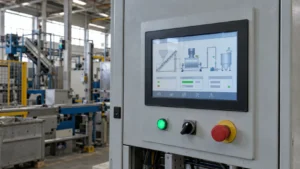

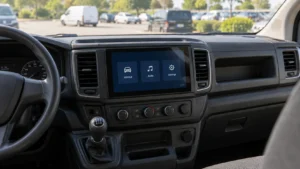
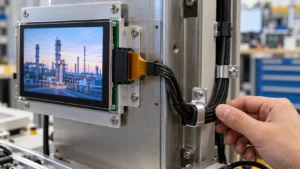

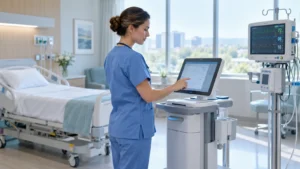

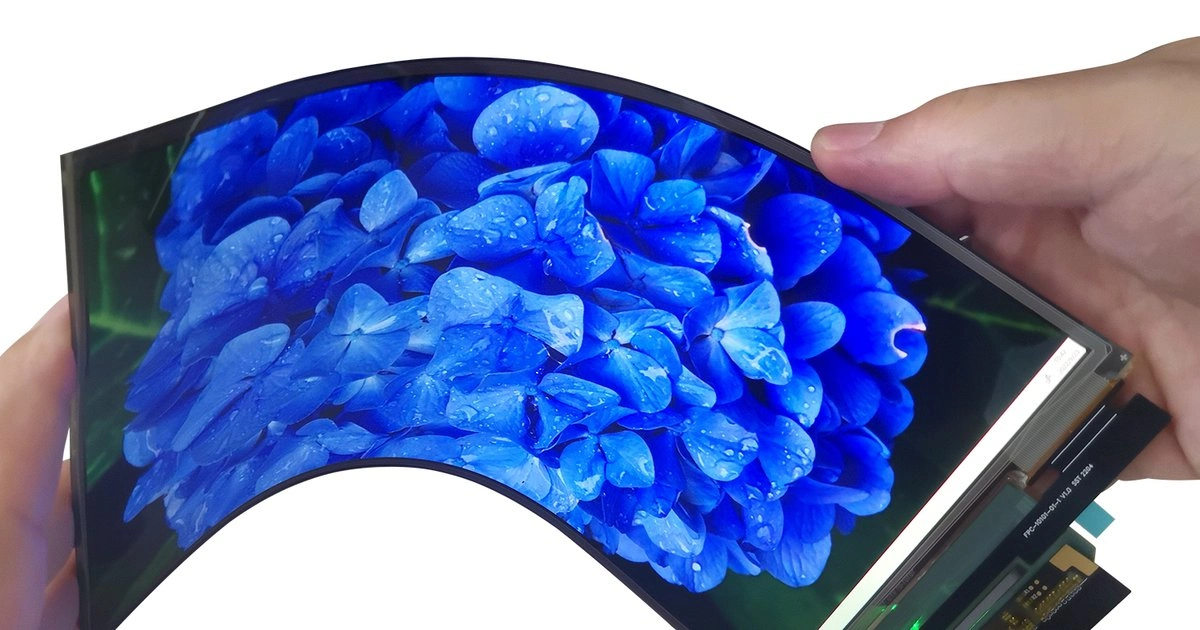
Flexible OLED (Organic Light Emitting Diode) technology has truly changed the display industry. This new idea greatly affects smartphones, wearable devices, automotive dashboards, and new foldable gadgets. Flexible OLED displays offer smooth, current looks along with practical usefulness. Designers and engineers need to check both strong points and weak points of flexible OLEDs before adding them to products. These aspects affect performance, cost, and long life in everyday use. This article looks at the main advantages and disadvantages of flexible OLED technology. The details assist product developers, buying teams, and companies in making smart choices for future designs.
What is Flexible OLED?
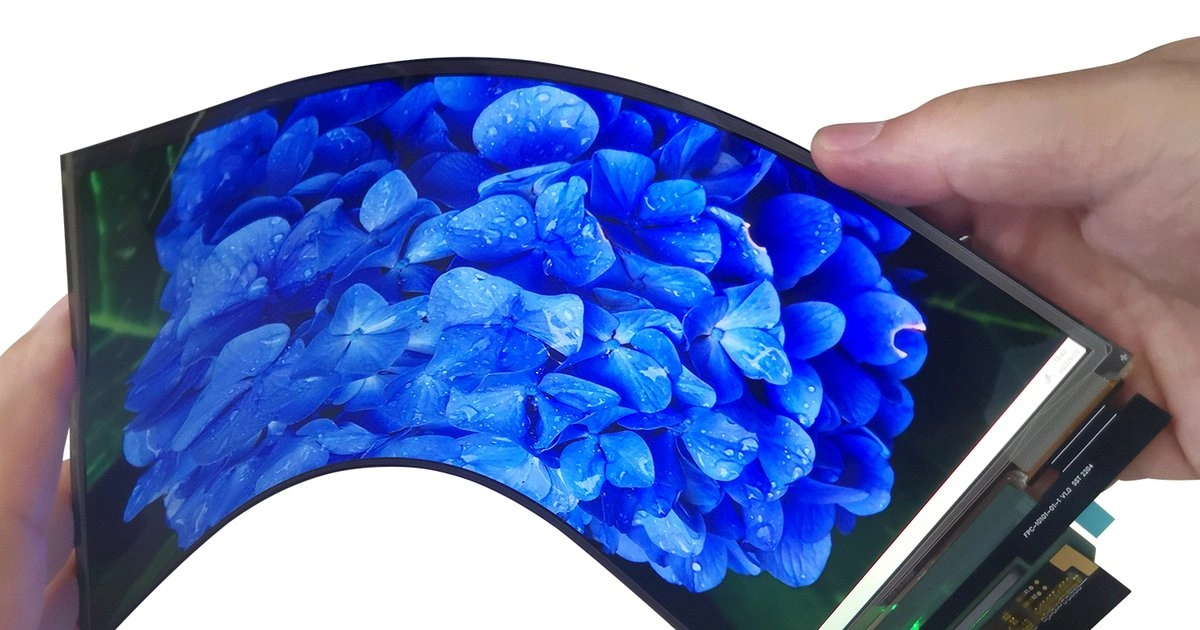
Flexible OLED displays rely on organic materials that give off light when electric current flows through them. Unlike usual displays, flexible OLEDs are made on plastic bases like polyimide. This setup permits bending, curving, rolling, or folding without harm. The lack of stiff glass and backlight parts allows unique shapes. These displays create chances for fresh uses in consumer electronics, industrial tools, IoT products, and car interfaces. Flexible OLEDs keep the main gains of regular OLEDs while bringing extra mechanical flexibility.
Advantages of Flexible OLED Displays
1. Ultra-Thin and Lightweight
Flexible OLED technology removes the requirement for backlights and heavy glass bases. Panels reach thicknesses of only a few millimeters or thinner. This narrow shape cuts down total device weight a lot. Handheld gadgets, foldable devices, and small wearables gain much from this feature. The light weight also boosts comfort during long use, such as in smartwatches or AR glasses.
2. Bendable and Durable Design
Plastic bases offer better flexibility than stiff materials. Displays handle bending, curving, or even folding in some setups. This improves resistance to shocks and general strength. Devices endure falls or hits better than ones with old screens. Uses in tough settings, car interiors, or active consumer items get added dependability from this toughness.
3. High Contrast and Vibrant Colors
Each pixel in OLED displays produces its own light. This allows true blacks by shutting off fully. It leads to endless contrast ratios and outstanding color precision. Broad color ranges and bright display make flexible OLEDs perfect for top-quality viewing. Premium smartphones, VR/AR headsets, and expert monitoring tools use these traits for deep immersion.
4. Energy Efficiency
Without a steady backlight, power use links straight to shown content. Unused pixels take no energy. This brings big savings. Dark screens or dim modes lengthen battery life clearly. Mobile devices, wearables, and power-limited IoT items enjoy extended operation time. This saving helps eco-friendly goals in today’s electronics.
5. Innovative Product Designs
Flexibility gives more creative options to industrial designers. Curved dashboards, rollable screens, wrap-around interfaces, and foldable shapes turn possible. These options push standout features in busy markets. Fields from consumer electronics to medical tools and automotive try new interactions and comfort levels that were not possible with flat, stiff panels before.
Disadvantages of Flexible OLED Displays
6. Higher Manufacturing Costs
Production needs special materials, careful sealing, and complex steps. These elements raise costs over standard LCDs or stiff displays. Success rates in handling flexible bases stay hard. Item prices remain high, affecting low-budget plans or large-number consumer goods.
7. Shorter Lifespan (Especially Blue Pixels)
Organic compounds break down gradually under electric pressure. Blue subpixels show quicker decline. This causes possible color changes or dimming. Ongoing work speeds up this issue. Long-term trust issues appear in constant-on displays or tough settings.
8. Screen Burn-In Risk
Still images shown for long times lead to lasting retention. Uneven pixel use creates ghost images. Interface designers need to add fixes like pixel moving. Uses with set parts, such as navigation systems or signs, meet greater dangers.
9. Moisture and Oxygen Sensitivity
Organic layers respond badly to outside contact. Strong barrier films and sealing are vital for safety. Breaks in sealing cause quick breakdown, including black spots or total failure. Trust problems come up in wet, outdoor, or changing-condition placements.
10. Limited Availability for Large Displays
Flexible OLED shines in small to medium sizes, usual in mobiles and wearables. Growing to bigger panels over 20 inches stays hard and costly in tech terms. Large-scale making for TV-sized or industrial big-format displays falls behind stiff options.
Flexible OLED displays alter screen technology with slim, adjustable, and visually better traits. They allow bold designs and improved user experiences in many fields. Yet, issues like making costs, life concerns, burn-in chance, and environment weakness need thoughtful review. Applications that focus on visual quality, easy carrying, and shape innovation see flexible OLED as best. Fixed, price-wary, or big-scale plans might choose options like improved LCD types.
FAQ
What makes flexible OLED different from rigid OLED?
Flexible OLED uses plastic substrates like polyimide instead of glass, allowing bending or folding while maintaining OLED’s self-emissive properties.
Is flexible OLED more energy-efficient than LCD?
Yes, since no backlight is required and only lit pixels consume power, leading to better efficiency, especially with dark content.
Can flexible OLED screens suffer from burn-in?
Yes, prolonged static images can cause permanent retention due to uneven pixel degradation.
Are flexible OLED displays suitable for outdoor use?
High-brightness variants perform well, but moisture sensitivity requires robust encapsulation for reliable outdoor performance.
What sizes are commonly available for flexible OLED?
Common sizes range from small (1-2 inches for wearables) to medium (6-12 inches), with larger options emerging but still limited.
How durable are flexible OLED displays compared to traditional screens?
They offer better shock resistance due to flexibility, but require protection against scratches and environmental factors.
Contact Miqidisplay: Reliable Flexible OLED Manufacturer, Supplier, and Factory for B2B Solutions
Miqidisplay operates as a professional OLED and LCD manufacturer, supplier, and factory in China with over 20 years of OEM/ODM experience. The company specializes in high-quality flexible OLED displays, offering sizes from compact 1.03-inch to larger formats, featuring excellent flexibility, low power consumption, and robust performance. Certified under ISO-9001, ISO-14001, and TS-16949, Miqidisplay provides complete one-stop solutions, including custom R&D, driver boards, touch integration, and tailored configurations for industrial, automotive, wearable, and IoT applications.
Businesses seeking stable supply chains benefit from direct factory partnerships, rapid prototyping, strict quality control, and 24/7 support. Contact the team today via email at mary@miqidisplay.com or WhatsApp +86 188 7965 2960 to discuss flexible OLED requirements and obtain customized quotes.