




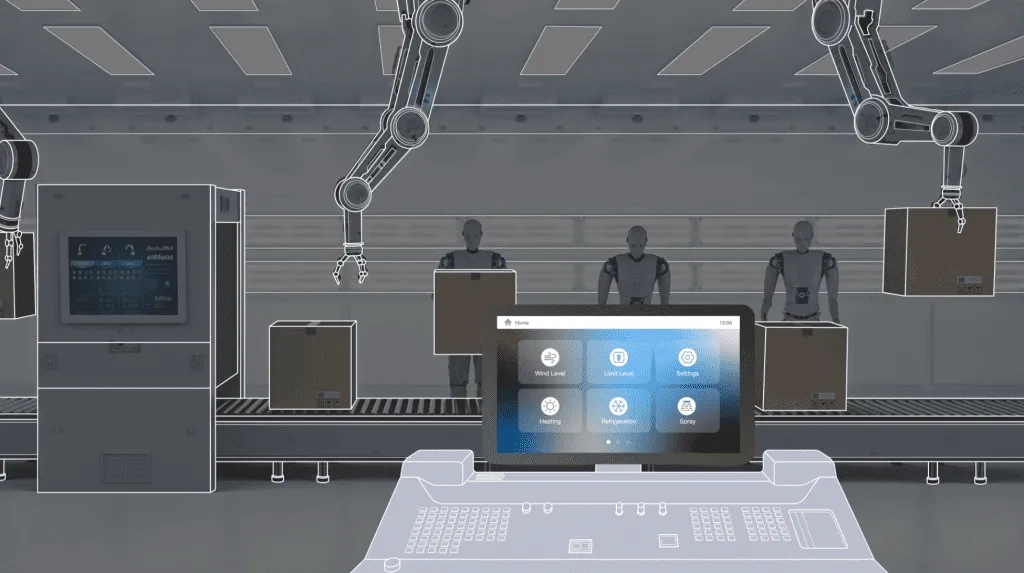
Introduction: AMOLED and TFT in Industrial Applications
Picking the right display panel for factory gear takes more than just checking sharpness or color truth. Techs focus on strength in tough spots, work in different lights, power use, simple join into setups, and steady run over time.
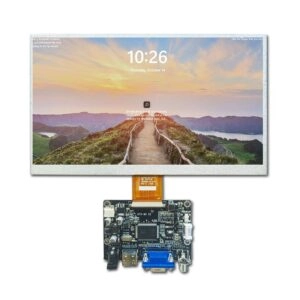
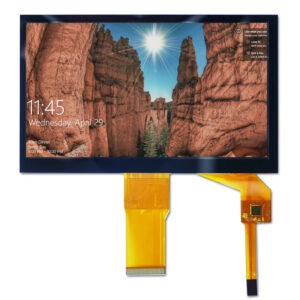
AMOLED (Active-Matrix Organic Light-Emitting Diode) and TFT (Thin-Film Transistor LCD) techs stand as the main picks for small to mid screens in factory uses. These displays back jobs from human-machine interfaces (HMIs) and control boards to health gear and tough hand tools. Each tech brings clear pluses and limits that shape fit for hard spots.
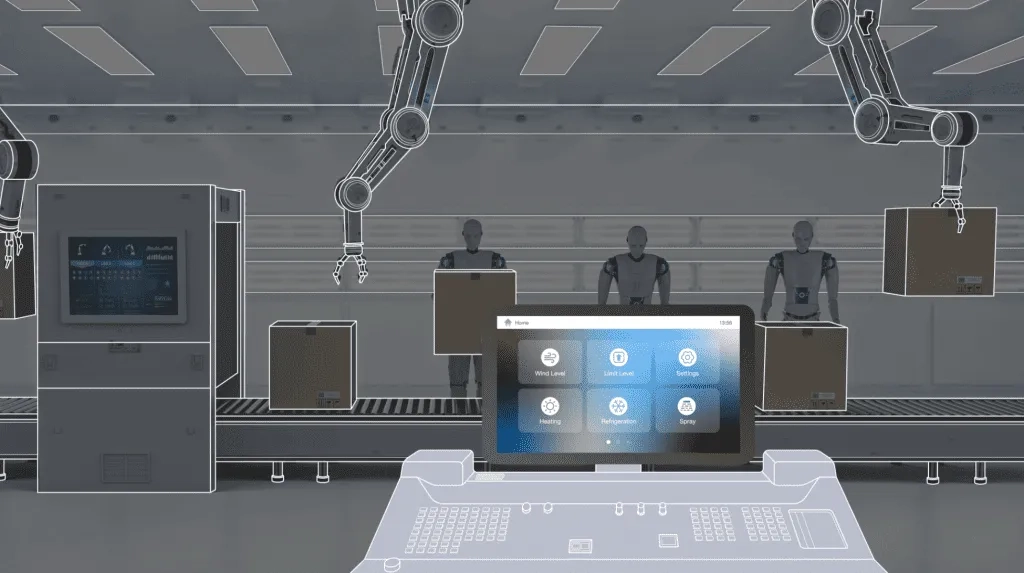
Display Technology Basics: TFT vs AMOLED
TFT-LCD panels use a back light to light up liquid bits. In turn, AMOLED panels have self-light bits that make their own glow.
Main differences cover:
- Backlight Requirement — TFT-LCD needs a backlight, whereas AMOLED operates without one.
- Brightness — TFT-LCD achieves high levels suitable for bright ambient conditions.
- Contrast and Black Levels — AMOLED provides true blacks and superior contrast ratios.
- Viewing Angles — AMOLED maintains consistent quality across wide angles.
- Power Consumption — AMOLED consumes less power for dark or static content.
- Durability — TFT-LCD avoids risks associated with prolonged static images.
- Cost — TFT-LCD generally offers lower production costs for comparable specifications.
These basics lead choices in factory set-ups. There, trust often beats looks.
Readability in Harsh Environments
Factory spots often show screens to strong sun, dirt, shakes, and heat changes. TFT-LCD panels do well in these spots. This holds true when boosted with light join, shine-block coats, and bright back lights. Such adds make sure clear sight out or in lit plants.
Jobs that gain from TFT-LCD read ease cover build gear, farm rides, health carts, and plant HMIs that run all day.
AMOLED panels give lively sights in doors. But they may lose clear read in straight sun without special bright boosts. For key setups that need steady out work, TFT-LCD shows more solid.
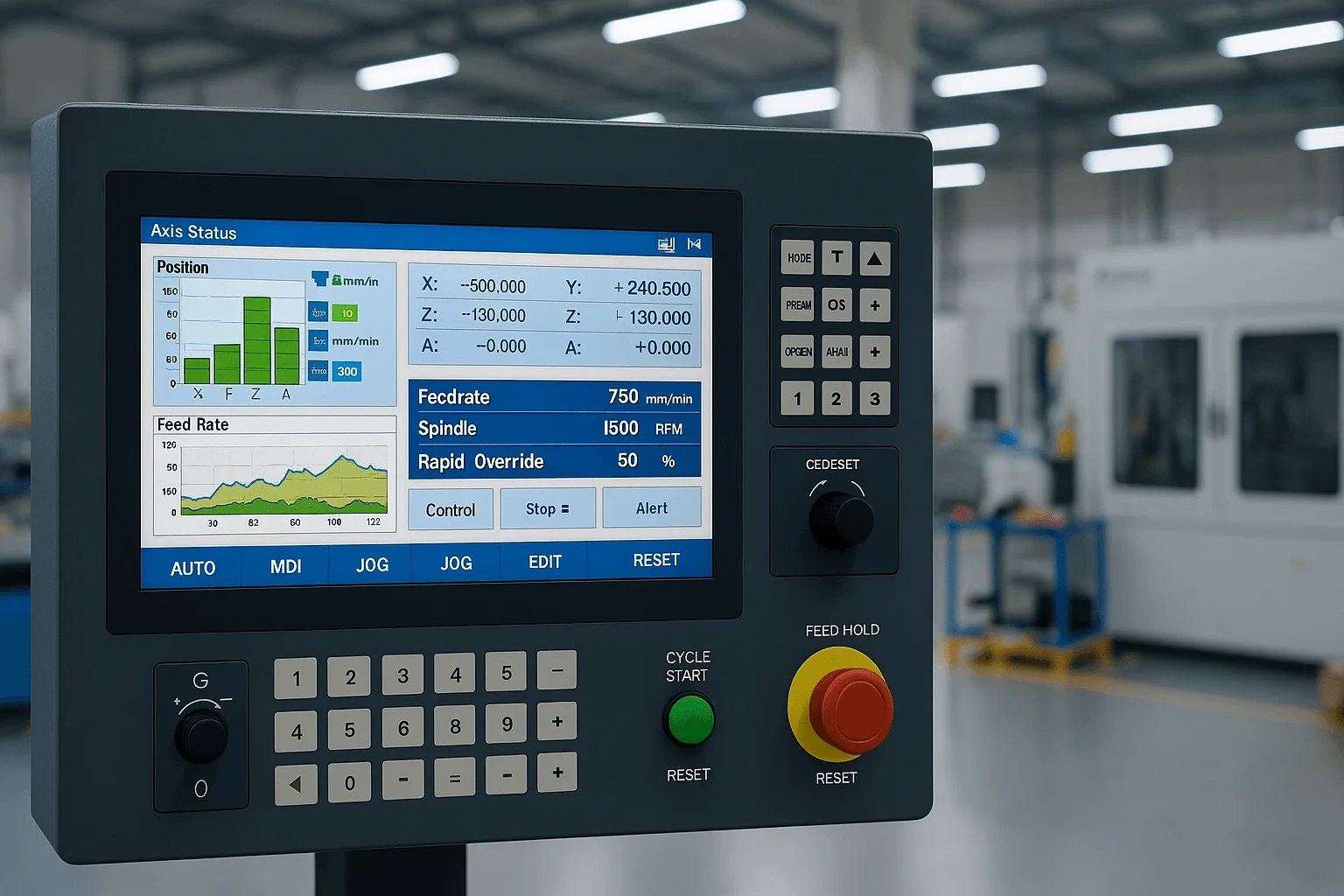
Power Efficiency in Static Interfaces
Battery-run or power-tight factory tools gain from good power save. AMOLED tech does best in faces with dark looks or mostly still parts. This is so because off bits shut down full, cutting use.
On the other hand, TFT-LCD keeps even save for bright, white-main screens. Think watch boards or control setups that run round the clock. This steady helps heat care and grows run life in non-stop cases.
Burn-in and Reliability in Long Lifecycle Devices
Steady trust stays key for factory screens that show still parts like marks, dials, or set faces. AMOLED panels face burn-in or image hold after long show of same stuff. This can hurt quality in plant control setups, sick watch gear, or path ends.
TFT-LCD panels cut this worry. They give better steady for jobs with long still screens. This plus backs long life cycles in must-trust spots.
Integration Flexibility: Mechanical and Electrical
Factory plans need bend parts. TFT-LCD units often have set sizes, plugs, and links. These make join into old setups easy.
AMOLED units bring bend for bent or small plans. But they need care for drive parts, heat out, and life care.
Both techs back made adds. These include touch join and tough boxes to fit set job wants.
Final Considerations: Which Display Is Right for Your Application?
Techs check spot needs, power wants, and trust when picking between TFT-LCD and AMOLED.
TFT-LCD fits most factory jobs thanks to its strength, sun read, no burn-in worry, and low cost. It works solid in rough spots with still stuff.
AMOLED fits cases that put high on strong contrast, wide see angles, and low power for dark faces. Such as some wear tools or set in-door setups.
The best pick matches job goals. It weighs work against run long life.
FAQ
Which technology is better suited for industrial environments?
TFT-LCD generally outperforms in industrial settings due to its durability, lack of burn-in risk, and superior visibility in strong ambient light. AMOLED provides exceptional contrast and thinner profiles but may not handle long-term static displays as effectively.
Does AMOLED reduce eye strain compared to TFT-LCD?
AMOLED delivers deeper blacks and potentially less blue light in dark modes, which can lessen strain in some cases. However, PWM dimming in AMOLED may cause discomfort for sensitive users. TFT-LCD remains eye-safe with appropriate brightness adjustments.
What are the main weaknesses of AMOLED in industrial use?
AMOLED faces risks of burn-in with static elements, higher costs, and reduced performance in direct sunlight without enhancements.
When is AMOLED worth choosing over TFT-LCD?
AMOLED proves valuable for applications requiring ultra-high contrast, sleek designs, or power efficiency in dark content. For high-reliability dashboards or monitoring systems, TFT-LCD offers greater practicality.
How does power efficiency compare between the two?
AMOLED consumes less power for dark or static content by turning off pixels. TFT-LCD provides more consistent efficiency for bright interfaces, making it preferable for control systems and continuous operations.
Partner with Miqidisplay for Custom Industrial Display Solutions
Miqidisplay stands as a leading manufacturer and supplier of high-quality industrial displays, including advanced TFT-LCD monitors, x86 industrial panel PCs, and color OLED/AMOLED panels. With over 20 years of OEM/ODM expertise, the company delivers rugged solutions tailored for automation, medical, military, and other demanding sectors. Products feature wide temperature ranges, capacitive touch, multiple interfaces, and customization options such as optical bonding, high-brightness enhancements, and specialized enclosures.
Business seeking reliable display partners benefit from Miqidisplay’s comprehensive portfolio, strict quality controls, and dedicated engineering support. Contact the team today to discuss project requirements and receive tailored quotations for industrial TFT-LCD or AMOLED solutions that meet exact specifications.