





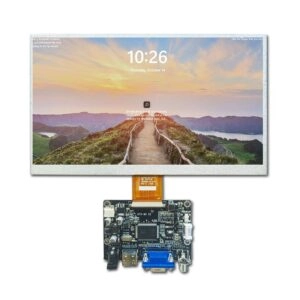
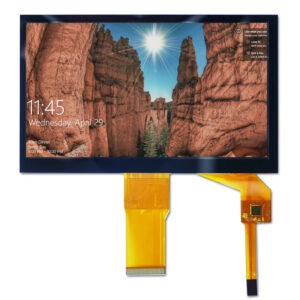

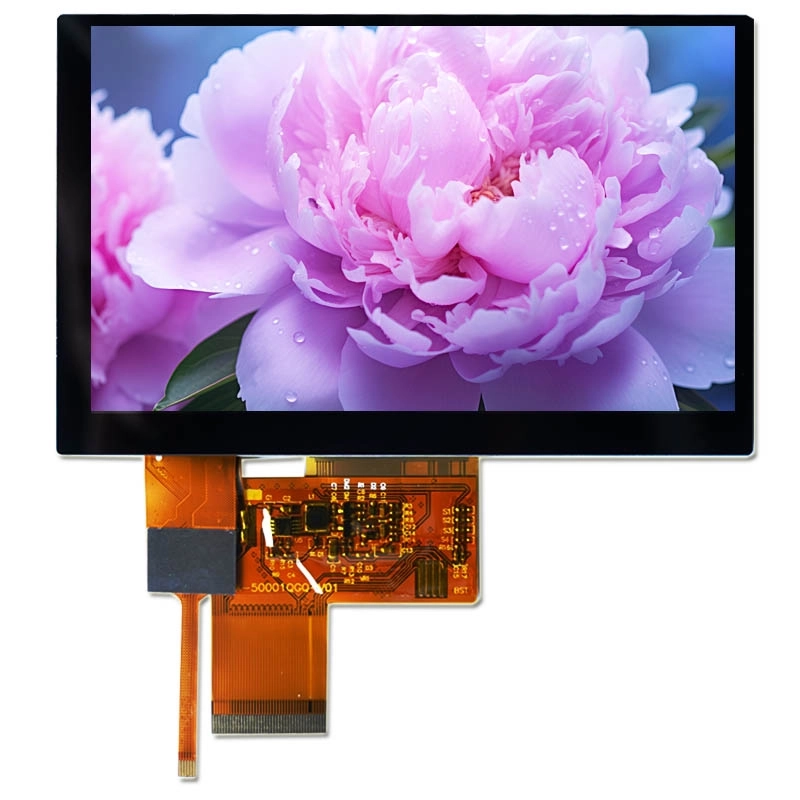
As healthcare technology moves forward with more digital tools and spread-out care, the display screen in medical equipment grows more important. From digital blood pressure meters to physiological monitors and bedside patient terminals, TFT LCD displays act as a key connection between clinical data and good decisions.
Device makers deal with higher performance needs together with demands to manage costs and keep steady supply over time. Reliable medical-grade TFT LCD displays can be obtained well without too much spending or losses in function. This guide gives useful ideas for choosing displays in devices such as automatic BP monitors, ultrasound units, and patient monitoring systems.
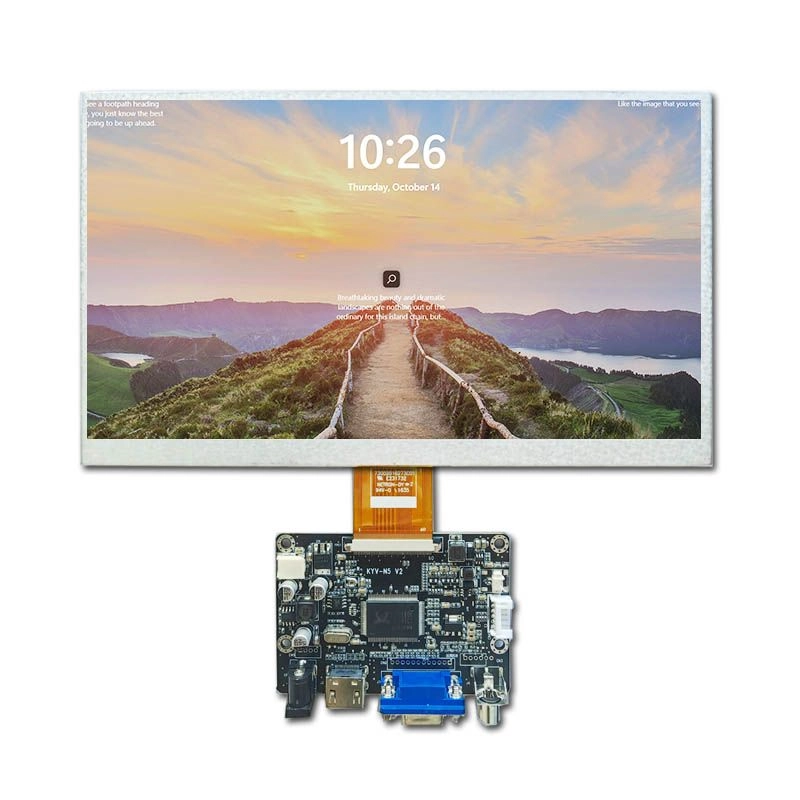
Why TFT LCDs Remain the Standard in Medical Equipment
Thin-Film Transistor (TFT) LCDs stay as the main display technology in medical and diagnostic equipment because of several strong points. They give good image quality over wide temperature and brightness ranges. This helps with clear views in different clinical places. Long availability matches the multi-year certification cycles common in medical devices. Stable mechanical formats and wide controller support make integration easier.
Compatibility with standard interfaces including RGB, LVDS, MIPI-DSI, and eDP allows smooth connection to various mainboards. Integration with capacitive or resistive touch panels adds flexibility for user interaction. TFT displays reach a good balance between visual performance and cost. This works well in applications that do not need high-speed video or extreme contrast ratios, such as vital sign monitors or portable diagnostic systems.
These features make TFT LCD technology right for the strict reliability and readability needs of healthcare environments.
Understanding Display Needs Across Different Medical Applications
Medical devices differ a lot in function and form factor. This leads to different display requirements. A handheld glucose meter has different needs compared to a bedside physiological monitor or digital blood pressure meter. Matching specifications to the application improves both performance and cost.
Digital Blood Pressure Meters
These compact, battery-powered devices often face consumer or clinical environments. Typical display sizes range from 2.8 to 4.3 inches. TN or IPS panels are common. Brightness levels of 300–500 nits work well for standard room lighting. Touch functionality is minimal or uses basic resistive technology when present. Priorities center on low power consumption, cost efficiency, and clear readability.
Automatic BP Monitors
These monitors are used in clinics or connected home health solutions. They benefit from display sizes of 4.3 to 7.0 inches. IPS panels improve viewing angles for better usability. Capacitive touch supports intuitive interfaces. Interfaces such as RGB or MIPI help integration. Key considerations include moderate viewing angles, potential glove compatibility, and enhanced user interface elements.
Patient Monitors
Continuous monitoring of parameters like ECG, SpO2, respiration, and temperature needs larger displays. These are typically 7.0 to 15.6 inches. IPS technology with high brightness of 800 nits or more ensures visibility. Touch may be optional for configuration menus. Compliance with EMC standards such as IEC 60601-1-2 is essential. Reliability for 24/7 operation, clarity, and full viewing angles are critical.
Physiological Monitors
These systems are used in intensive care, operating rooms, and surgical planning. They often feature displays of 10.1 inches or larger with resolutions of 1024×768 or higher. LVDS or eDP interfaces support high data rates. Optical bonding or anti-reflective coatings may reduce glare. Priorities include high definition, minimal reflections, and extended backlight lifespan for sustained performance.
Key Display Selection Criteria for Medical Designers
Engineers who evaluate TFT LCDs for medical systems should focus on several core parameters. This ensures suitability and compliance. Brightness levels of at least 500 nits support ambient-lit rooms. At the same time, 800 nits or higher benefit carts or operating rooms. Wide viewing angles, preferably from IPS panels exceeding 80 degrees in all directions, keep image integrity from various positions.
Touch panel choice depends on the use case. Projected capacitive (PCAP) offers smooth interaction and resistive provides alternatives for specific needs. EMC and EMI compliance is mandatory for patient-contact systems. Operating temperature ranges of -20°C to +70°C or wider accommodate global deployments and varied storage conditions. Interface compatibility with the host system—whether RGB, LVDS, MIPI, or eDP—makes development simpler. Backlight life of 30,000 hours or more supports critical care applications.
Careful matching of specifications to the intended use case prevents over-specification that raises bill-of-materials costs unnecessarily.
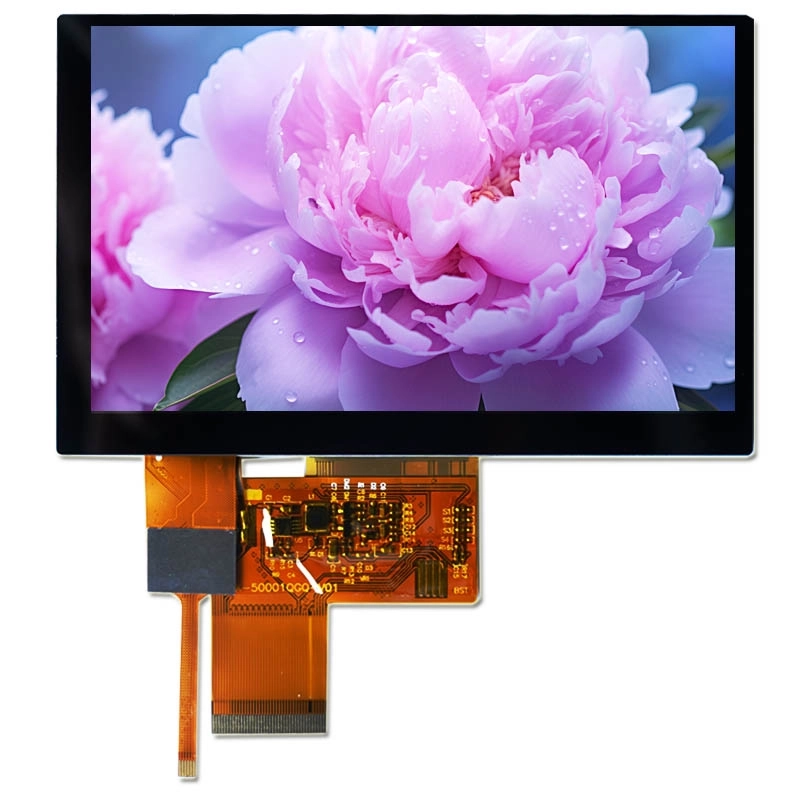
Reducing TFT LCD Costs Without Sacrificing Functionality
Quality stays non-negotiable in medical systems. Yet cost optimization is essential for competitiveness in markets like automatic BP monitors or home-use physiological trackers. Several strategies help achieve savings while keeping performance.
Industrial-grade TFT displays provide stability, brightness, and touch support at much lower costs than premium consumer-oriented modules. This works for many applications involving status displays, basic UI feedback, or numeric visualization. Semi-customization approaches, such as adjusting FPC layouts, tuning backlight brightness, modifying touch types, or adding coatings, give needed flexibility. They do this without the expense of full custom tooling. Prioritizing suppliers with commitments to 3–5 years of stable supply and backward compatibility reduces production disruptions in regulated product lines with extended certification timelines.
These methods let manufacturers control expenses effectively while meeting strict medical requirements.
Case-in-Point: Display Optimization in a Patient Monitoring Device
A mid-sized OEM developing a 10.1-inch patient monitor aimed to reduce display costs without affecting clarity or certification. Switching to a high-quality IPS industrial display with 800×1280 resolution, 800 nits brightness, PCAP touch, and LVDS interface delivered approximately 35% cost reduction per unit. The solution passed EMC testing without extra shielding. It also kept UI fluidity and responsiveness. This example shows how tailored industrial displays speed up development cycles and lower expenses in clinical products.
Looking Ahead: Display Trends in Medical Device Development
Medical devices are becoming more portable, connected, and user-friendly. This drives corresponding shifts in display expectations. Glove-friendly PCAP touchscreens increasingly replace legacy resistive options for improved hygiene and usability. Higher brightness levels combined with optical bonding improve performance in mobile and surgical settings. MIPI and eDP interfaces gain adoption in modern architectures for better efficiency. Energy efficiency continues as a priority for battery-powered monitors and home healthcare solutions. Awareness of these trends supports proactive planning for next-generation devices.
Conclusion
Selecting the appropriate TFT display for medical equipment requires balancing clarity, regulatory compliance, longevity, and cost. Informed choices for digital blood pressure meters, automatic BP monitors, and patient monitoring platforms bring improvements in product performance and manufacturing efficiency. Partners with deep expertise in display technology and medical industry requirements provide valuable support through samples, technical insights, and engineering collaboration from early development stages.
Miqidisplay stands as a professional TFT LCD display manufacturer and supplier specializing in custom industrial and medical solutions. It offers high-quality modules, touch integration, and one-stop services backed by over 20 years of OEM/ODM experience, strict quality control, and certifications to meet global standards.
FAQ
How does IPS technology benefit medical TFT LCD applications?
IPS panels provide wide viewing angles and consistent color accuracy. These are essential for accurate data interpretation from multiple positions around a device.
What customization options are available for medical-grade displays?
Options include FPC adjustments, custom backlights, touch panel integration, cover glass with optical bonding, interface modifications, and specific coatings for durability and hygiene.
Why is long-term supply continuity important for medical device displays?
Extended availability supports multi-year certification cycles and reduces risks of redesigns or production halts in regulated markets.
Are industrial-grade TFT displays suitable for medical equipment?
Yes, they provide the necessary reliability, brightness, temperature range, and compliance features for a wide range of medical applications at an optimized cost.
Partner with a Trusted TFT Display Manufacturer and Supplier
Medical device manufacturers and OEMs seeking reliable, cost-effective TFT LCD solutions for their product lines should engage with experienced suppliers capable of delivering custom and semi-custom modules tailored to specific requirements. Miqidisplay, as a dedicated display manufacturer and supplier, provides industrial TFT LCD displays, high-brightness options, touch-integrated solutions, and full customization services including driver boards, interfaces, and optical enhancements suitable for medical monitors and equipment. Explore standard TFT LCD display categories or industrial monitors to identify suitable products, or reach out for custom solutions to support project development from prototyping through volume production. Contact the team today to discuss technical specifications, request samples, and secure stable supply for upcoming medical device initiatives.
Email: mary@miqidisplay.com
WhatsApp: +86 189 6801 5464