




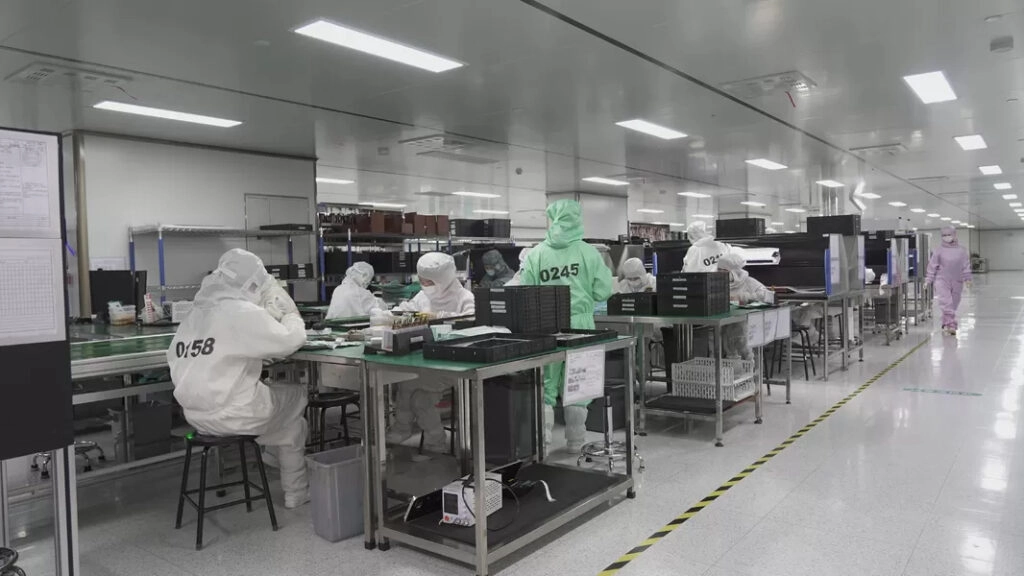
The manufacturing process of TFT LCD Display remains a cornerstone of modern visual technology. It helps create the slim, high-resolution screens we see in devices today. TFT LCD stands for Thin Film Transistor Liquid Crystal Display. This type marks a big step forward from earlier LCD versions.
LCD technology depends on liquid crystals. These materials act like both liquids and solids. Liquid crystals do not give off light on their own. Instead, they control how light passes through when an electric field is applied. They work as tiny optical switches that help form images.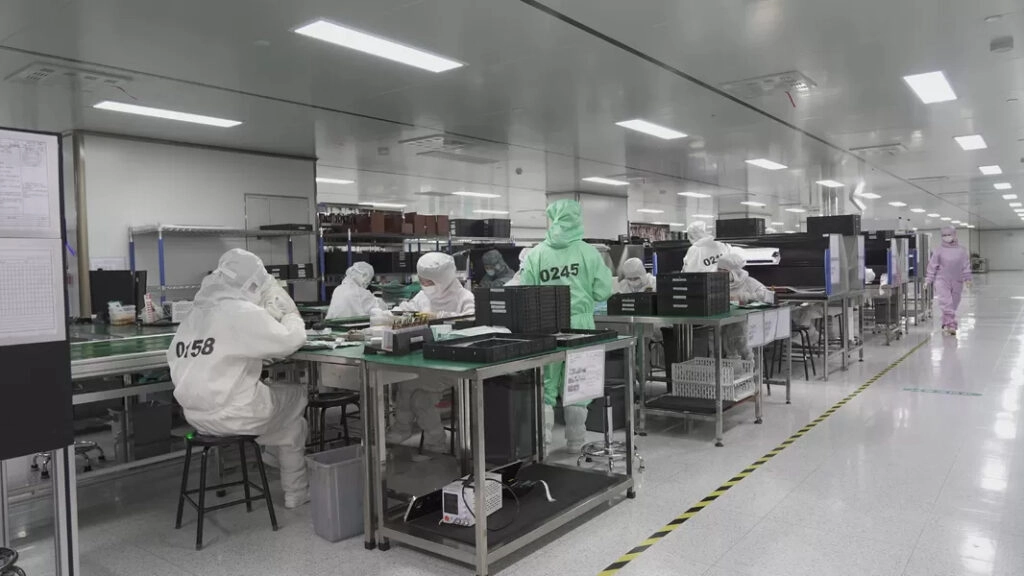 Types of LCD
LCD technology has gone through several stages of growth.
TN LCD was an early kind. It usually showed only monochrome images. People often found it in simple calculators.
STN LCD came next. It gave better twist angles and improved electrical features. This allowed clearer details and even color versions like CSTN. Many early mobile phones and portable gadgets used STN LCD.
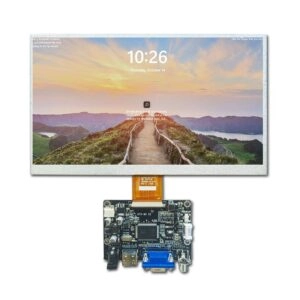
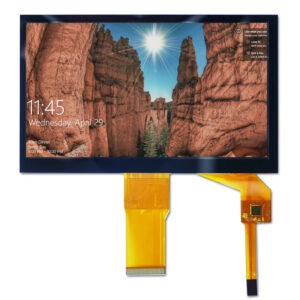
TFT LCD is the main type used now. It includes built-in circuits at each pixel. Because of this, it reaches high resolution, rich full-color images, and quick response times. TFT LCD appears in consumer electronics, cars, industrial equipment, and medical tools.
TFT LCD stays popular. It supports very sharp pixel counts and bright, lively pictures thanks to one transistor controlling each pixel.
TFT LCD Structure
A TFT LCD has three main parts. These are the backlight unit for light, the circuit layer for signal handling, and the light-and-color system for pixel control. The heart of the display, called the “cell,” combines the TFT array glass, the color filter (CF) glass, and the liquid crystal material between them. Polarizer sheets sit on the outside of both glasses.
Manufacturing Process of TFT LCD
Production splits into three big steps. These are array, cell, and module. The array and cell steps build the light-and-color cell. The module step puts the full display together.
1. Array
Work happens on large glass sheets for better efficiency. Later, these sheets get cut into smaller sizes. A key material is ITO (Indium Tin Oxide). It gives transparent electrical paths for the electrodes.
TFT Production (using photoresist/PR method):
- First, deposit layers of semiconductor material (for example, amorphous silicon) and ITO onto the glass. Methods like sputtering or PECVD (Plasma-Enhanced Chemical Vapor Deposition) do this job.
- Next, spread photoresist evenly across the surface.
- Then, shine UV light through a photomask onto certain spots. After that, develop the resist so some areas wash away (depending on whether positive or negative resist is used).
- Etch the unprotected parts of the semiconductor or ITO to shape the circuit lines.
- Finally, remove the leftover photoresist.
- Repeat this cycle 4 to 7 times. Newer methods cut down the number of steps by stacking several films at once. These steps finish the gate, source/drain, passivation layer, and pixel electrodes.
CF Production:
- Create a black matrix on the glass with the PR method. This grid marks pixel edges and stops unwanted light leaks.
- Place red, green, and blue pigments one by one into the openings. PR patterning or inkjet printing handles this task.
- Add a protective overcoat layer on top.
- Put down the ITO common electrode.
Advanced methods keep alignment very tight, often under 0.3μm, with help from laser interferometers. Multi-layer deposition keeps thickness even within ±3%.
2. Cell
This step joins the TFT and CF glasses and adds the liquid crystal.
- Spread polyimide alignment layers on the inner ITO sides of both glasses. These layers set the starting direction for liquid crystal molecules.
- Apply sealant (glue) around the edges on the TFT glass to make boundaries. Place conductive glue or spacers on the CF side for electrical links and gap control.
- Fill liquid crystal material by dropping it in or injecting it under vacuum. Vacuum prevents air bubbles.
- Line up the two glasses very carefully and press them together.
- Cut the large bonded sheet into single panels.
- Stick polarizer films on both outer surfaces.
Important points include keeping vacuum below 10^-3 Torr to reduce flaws. Pre-baking the glasses removes extra moisture.
3. Module
This final stage adds electronics and the light source to the cell.
Circuit Integration:
- Attach driver ICs (using COG or COF methods) along the edges of the cell.
- Link those ICs to flexible printed circuits (FPC).
- Connect the FPC to the main PCBA board for outside connections.
Backlight Preparation:
- Install LED arrays as the light source. LEDs beat older CCFL lamps in efficiency and long life.
- Place a reflector film under the light guide plate.
- Add diffuser sheets and prism films on top. These turn spot or line light into smooth, even area light and raise brightness.
- Hook the backlight to its own control board.
Final Assembly:
- Fit everything inside a frame or bezel.
- Run aging tests to check long-term reliability. Do burn-in steps to catch early problems. Perform optical and electrical checks.
Quality checks happen at many points. Automated vision systems spot defects.
Key Materials and Techniques in TFT Array
The array stage needs very high accuracy. Glass sheets go through strict cleaning to remove all dirt. Thin-film deposition creates smooth, even layers. Photolithography with step-and-repeat tools patterns large areas. Dry or wet etching removes extra material cleanly. Newer low-temperature methods work well with bigger glass. LTPS (Low-Temperature Poly-Silicon) gives faster transistors for top-quality screens.
Challenges and Quality Control
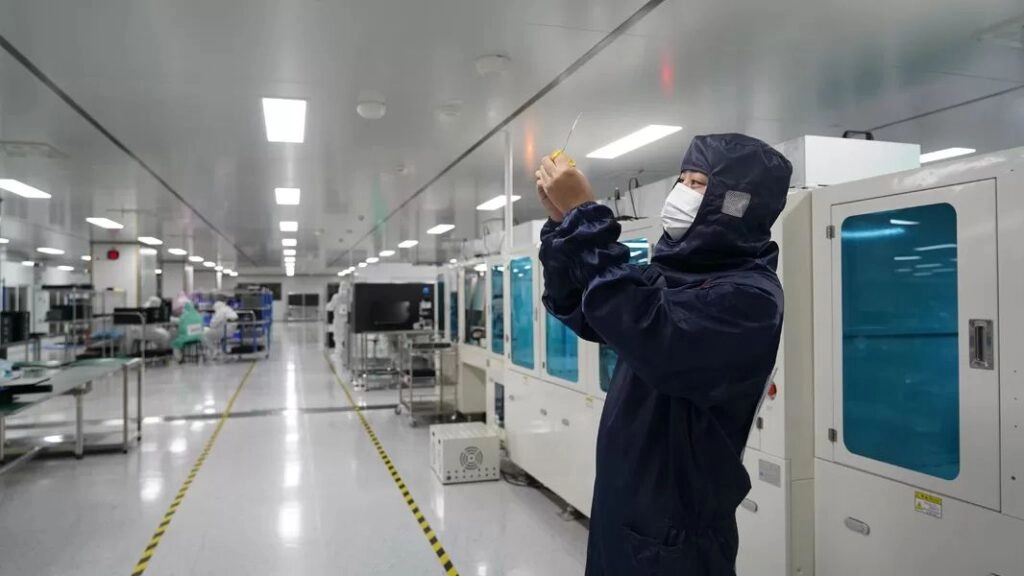
Production deals with problems like dust particles, alignment mistakes, and uneven layers. Cleanrooms (Class 100 or cleaner) keep dust low. Workers watch film thickness and voltage levels in real time. Yield gets better through statistical tracking and defect studies.
TFT LCD production calls for large spending on tools like PECVD machines, photolithography scanners, and laser cutters. This shows the real complexity behind common screens.
Miqidisplay, as a premium display manufacturer and LCD developer with over 20 years of OEM/ODM experience, specializes in high-quality TFT LCD solutions. The company offers a wide range including industrial-grade, high-brightness, IPS, touch-enabled, and custom TFT displays in various sizes, resolutions, and interfaces like HDMI, LVDS, MIPI, and SPI. Certified to TS-16949, ISO-9001, and ISO-14001 standards, Miqidisplay ensures reliable supply, strict quality control, and one-stop services for diverse applications.
FAQ
What is the main difference between TN, STN, and TFT LCD?
TN gives basic monochrome images. STN allows more grayscale levels and color. TFT provides high-resolution full-color pictures with separate control at each pixel through transistors.
Why is the array process repeated multiple times?
Each cycle adds new layers (gate, semiconductor, source/drain, etc.) to build the transistor grid. Newer ways reduce the total cycles.
What role does ITO play in TFT LCD?
ITO creates transparent electrodes. These let voltage pass through without blocking light.
How does the cell process ensure proper liquid crystal alignment?
Polyimide layers and rubbing set the starting direction of the molecules. Spacers keep the gap even across the panel.
What is the purpose of the backlight system?
It supplies steady light. Liquid crystals do not produce light themselves.
Partner with a Trusted TFT LCD Manufacturer and Supplier
Businesses looking for dependable TFT LCD displays gain from working with an experienced manufacturer and supplier like Miqidisplay. As a dedicated LCD developer and manufacturer, the company provides OEM/ODM services, custom solutions including tailored interfaces, touch integration, high-brightness options, wide-temperature ranges, and industry-specific adaptations for automotive, industrial, medical, and more. With proven on-time delivery, 24/7 support, and comprehensive customization from cable modifications to cover glass and mounting, Miqidisplay delivers end-to-end solutions to meet project requirements efficiently. Contact the team today to discuss specifications, request quotes, or explore partnership opportunities for premium display needs.