






Introduction
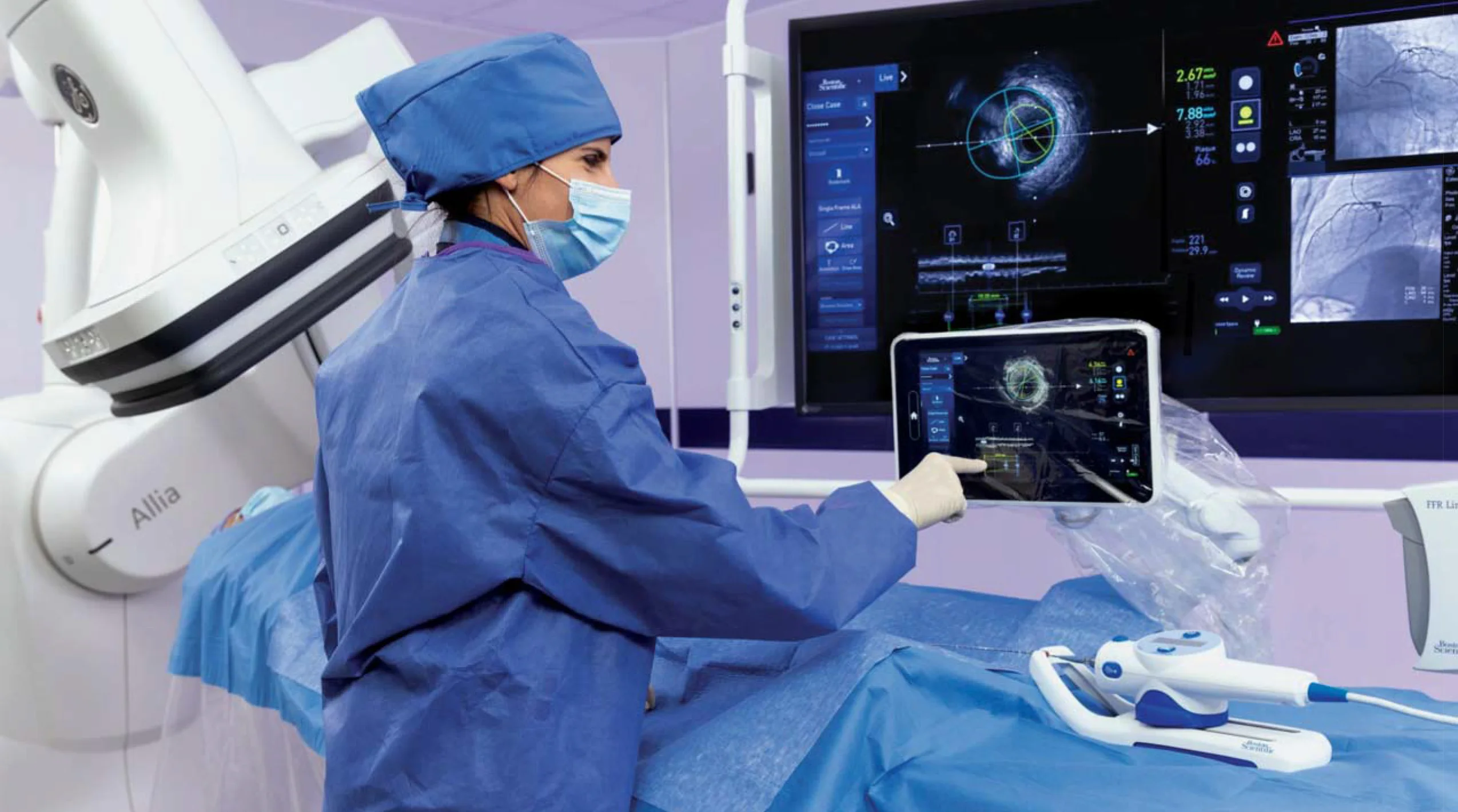
Touch screens act as key interfaces in modern surgical devices. They power robotic-assisted systems, anesthesia workstations, electrosurgical generators, and advanced patient monitors. These parts allow exact command entry, changing data views, and better workflow in operating rooms (ORs). Use in these tough places needs careful engineering. It must handle safety dangers, keep sterility, and stay easy to use in limited conditions. Main problems come from gloved use, risks of germ spread, and the need for quick and correct actions in urgent procedures. Special designs use better sensor tech and follow strict rules. These help make good integration possible.

The Rise of Touch Screens in Surgery
Digital touch interfaces have replaced old analog controls in surgical tools. This change comes from demands for flexibility and speed. These systems offer adjustable layouts that fit procedure needs. They give real-time imaging feedback and combine device control. Benefits include faster staff training times, better use of space in ORs, and clearer display of complex body data. Growth in medical interfaces shows more trust in simple digital controls for robotic and monitoring setups.
Safety Considerations in the OR
Patient and operator safety set very strict rules for touch interfaces in surgery.
Gloved Interaction
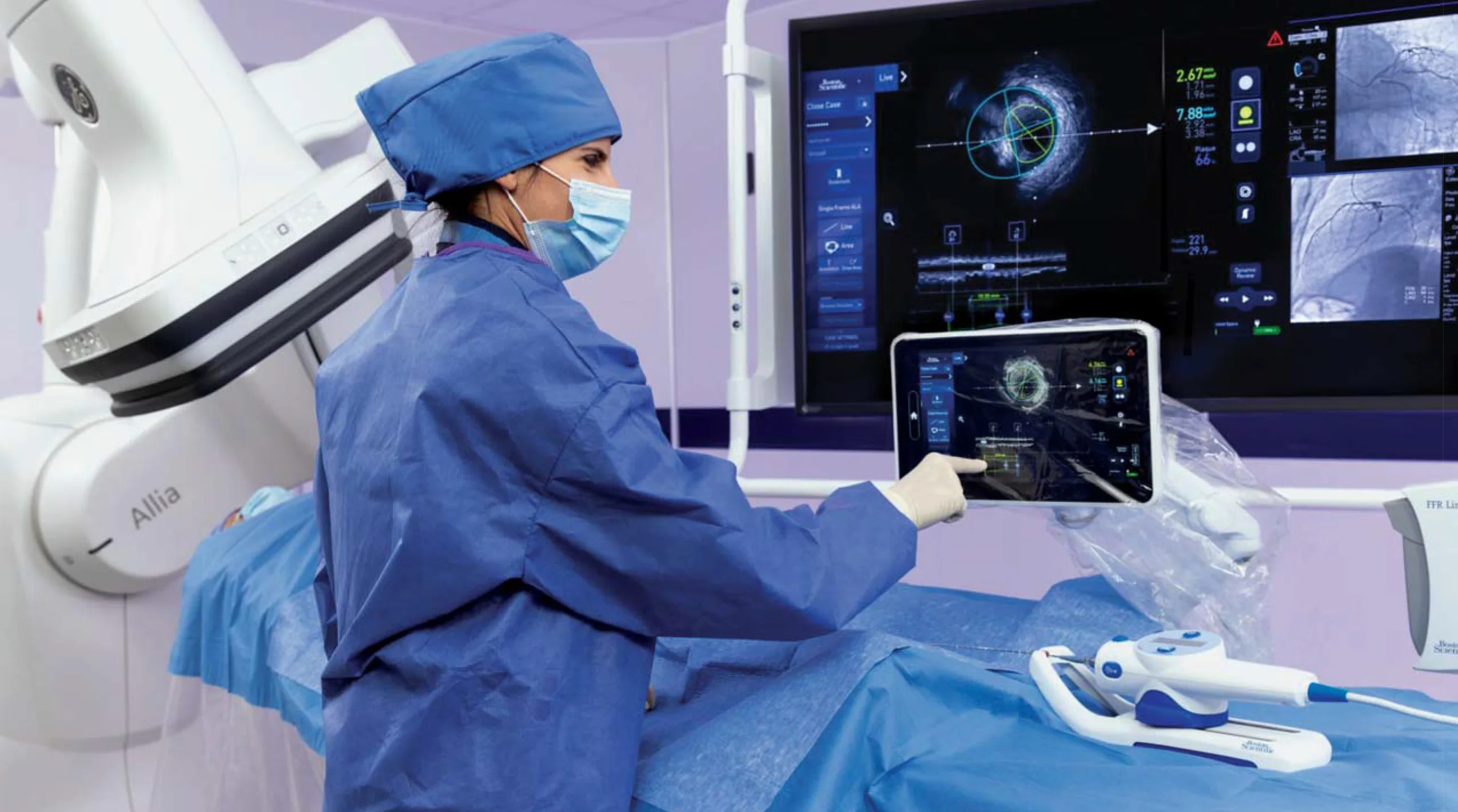
Thick surgical gloves, such as nitrile or multi-layer types, weaken normal capacitive sensing. Improved projected capacitive (PCAP) technology adjusts for these barriers. It gives steady input detection across different glove materials. This works without breaking sterile rules.
False Positives and Accidental Activation
Unwanted touches from drapes, tools, or body parts create risks. New designs include palm rejection, adjustable dead areas, and force-level settings. Hybrid setups keep special physical controls for emergency use. This builds extra safety layers.
Lag and Reliability
Delays in response or unstable signals can stop important tasks. High-frame-rate screens pair with fast processing to reduce these problems. Safety features, like dual checks and quick physical overrides, protect against breaks.
Lack of Tactile Feedback
No physical feel raises chances of mistakes. Adding haptic feedback systems with vibration motors or piezoelectric parts provides clear signals. These confirm actions such as button presses or tissue cues in robotic work.
Regulatory Compliance and Standards
Touch interfaces in surgical devices must meet basic medical electrical equipment rules. IEC 60601-1 covers electrical safety. It includes limits on leakage current, insulation needs, and guards against shock in patient-contact cases. Related standards like IEC 60601-1-2 handle electromagnetic compatibility. They stop interference with nearby diagnostic or treatment gear. Usability engineering follows IEC 62366. It focuses on risk control for human factors and interface success. ISO 14971 helps find and reduce hazards over the full design process. Following these rules lets devices pass clinical checks. They keep core performance strong.
Sterility: A Battle Against the Invisible
OR settings demand total germ control. This makes touch interface use more difficult.
Draping and Barrier Compatibility
Smooth work through sterile drapes or single-use films needs capacitive adjustments for cover thickness. Clean fit keeps touch precision. It also supports clean barriers.
Contamination Risks
Frequent gloved touches move leftover material. Smooth glass with no bezels removes places for germs to hide. Ongoing antimicrobial treatments use silver-ion or copper-based methods. These limit bacterial growth on surfaces.
Cleaning Protocols
Interfaces face regular use of strong disinfectants like alcohol, bleach, and quaternary types. Resistant coatings and IP65-rated front panels block liquid entry. They hold clear views and light passage through many cleaning rounds. Studies show lasting germs on poorly handled touch areas. This supports choice of clean materials to cut healthcare-linked infections.
Electromagnetic Interference (EMI) Shielding
Near imaging tools and high-frequency surgical devices need strong EMI protection. Shielded cases, grounded layers, and filtered paths stop problems. They ensure steady touch work and meet IEC 60601-1-2 limits for emissions and immunity.
Usability Challenges Under Pressure
High-risk OR settings need interfaces built for fast and low-error use.
Interface Simplicity
Clear, high-contrast parts and simple structures speed up access. Main controls stay easy to see and work well with gloves. This lowers mental effort.
Responsive Design for Wet or Gloved Hands
Sensors that resist moisture keep accuracy with fluids or thick layers. Designs focus on reliable single-touch for procedure steps.
Error Tolerance and Safeguards
Confirmations for key actions, helpful prompts, and undo options handle accidental touches. Flexible layouts fit different users. They cover handedness and vision needs.
Speed of Navigation and Visibility
Straight access to functions skips long steps. Auto brightness changes and special modes keep text readable under various OR lights.
Haptic Feedback Integration in Surgical Contexts
Beyond simple signals, haptic parts improve awareness during procedures. In robotic systems, force-reflective haptics show tissue resistance, pull, or contact force. This boosts careful handling and cuts unwanted tissue damage. Sensor groups at tool tips send live feel data to operator controls. They close the sense gap in minimally invasive methods.
Material and Design Innovations
Special parts raise strength and usefulness.
Optically Clear Adhesives (OCAs)
Bonding layers cut glare and add toughness under protective covers.
High-Brightness Panels
1000+ nit outputs fight strong surgical lights. They often pair with anti-glare layers.
Custom Force-Sensing Resistors
Pressure sensing adds input checks and allows changing command levels.
Printed Heaters and Robust Build
Heat control keeps capacitive work good in cold ORs. Strong builds stand up to physical strain.
Real-World Examples and Lessons Learned
Robotic consoles mix touch with haptic and sound cues for full feedback. Hybrid monitors keep physical buttons for key overrides. Changes during the pandemic stressed single-use covers and faster UV cleaning steps. These led to flexible and strong setups.
The Path Ahead: Designing Smarter Interfaces
Ongoing improvements aim for better fit. They stress close match to clinician workflow and multiple safety layers.
Conclusion
Touch screens greatly improve surgical work with better accuracy and speed. Custom fixes tackle glove use, germ protection, rule following, haptic addition, and situation-based ease. They provide reliable results in life-saving places. Careful balance of these linked parts makes sure interfaces help and do not harm procedure safety.
FAQ
What standards govern touch screens in surgical devices?
Key standards include IEC 60601-1 for electrical safety, IEC 60601-1-2 for electromagnetic compatibility, IEC 62366 for usability engineering, and ISO 14971 for risk management, ensuring patient and operator protection.
How are contamination risks managed on medical touch screens?
Seamless glass surfaces, antimicrobial coatings (e.g., silver-ion), and compatibility with hospital disinfectants minimize microbial harboring, supported by IP-rated protection.
Why incorporate haptic feedback in surgical touch interfaces?
Haptics restore tactile sensation, enabling force perception in robotic procedures, reducing errors, and enhancing precision during tissue interaction.
What glove compatibility solutions exist for OR touch screens?
Tuned projected capacitive technology detects input through surgical gloves, with adjustments for thickness and material to maintain responsiveness without sterility breaches.
Partner with a Trusted Display Manufacturer for Medical-Grade Solutions
Medical device manufacturers and OEM suppliers seek dependable, customizable touch screen displays engineered for surgical rigor. As a leading display manufacturer and supplier of TFT LCD, OLED, and specialized touch technologies, Miqidisplay provides high-brightness surgical monitors featuring antibacterial glass, glove-optimized capacitive touch, haptic-capable integrations, and full compliance with IEC 60601 standards. The expert team stands ready to support project specifications, deliver samples, and offer custom engineering for superior safety, sterility, and performance in healthcare applications. Contact via email or phone to initiate collaboration.