





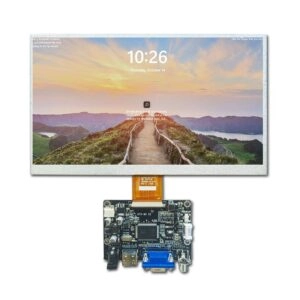
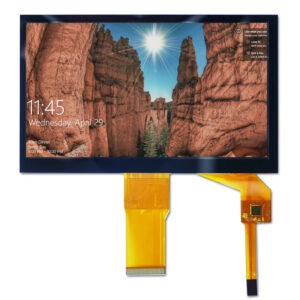

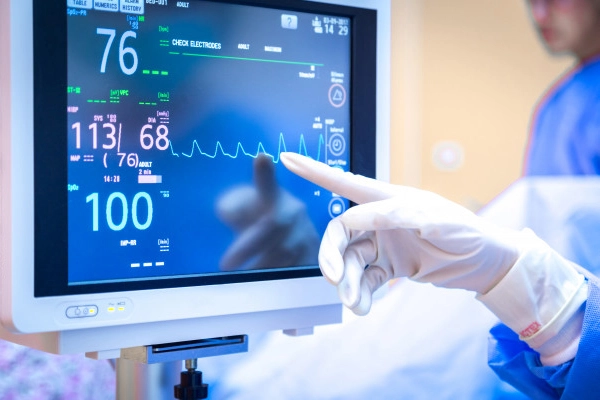
The medical display industry has long focused on technical details like resolution, brightness, and contrast ratios. But real progress happens when efforts center on the actual needs of clinicians in everyday healthcare settings. Clinician-centered medical displays move past basic performance numbers. They tackle daily problems, improve diagnostic accuracy, cut down fatigue, and fit smoothly into clinical workflows. This method makes sure displays truly help clinicians instead of just hitting engineering targets.
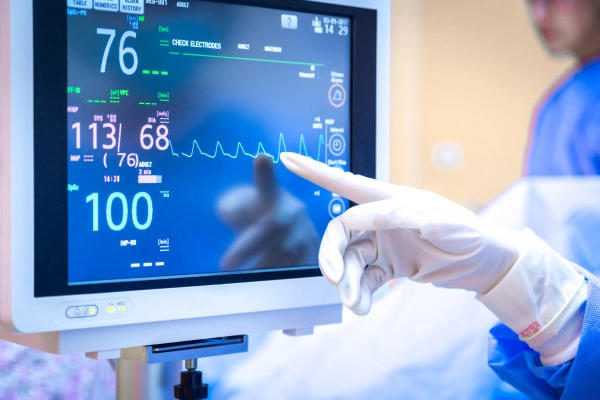
Clinician-Centered Display Development
The best medical displays make clinicians’ jobs easier, raise accuracy levels, and support lasting comfort. To reach this goal, companies need a solid grasp of clinical workflows and the common difficulties found in hospitals, operating rooms, and diagnostic areas. Putting clinician opinions first in the design process creates solutions that bring clear gains in patient care and daily operations.
Clinical Feedback Should Drive Display Development Priorities
Manufacturers often stress standalone specs while ignoring ongoing clinician complaints. Real innovation comes from truly hearing physicians and using their ideas to shape product goals. Strong teamwork between engineering groups and medical experts closes the gap between technical strengths—like high contrast ratios—and real needs such as less glare or simple interfaces.
Collaboration Between Engineers and Doctors
Engineers pay attention to measurable data. Clinicians, on the other hand, stress ease of use in critical moments. Working together helps spot key needs, for example advanced thermal control to avoid overheating in long procedures. This joint work leads to dependable, easy-to-use displays that hold up well under tough conditions.
Diverse Specialties Require Customized Display Specifications
One standard display seldom satisfies the different demands in various medical areas. Customization adjusts specs like screen size, color accuracy, brightness levels, and protective elements to match specific fields. This makes the displays more useful and effective.
Specialized Displays for Different Medical Fields
Radiology calls for outstanding grayscale precision to read X-rays and CT scans correctly. This often comes from DICOM Part 14 calibration standards. Surgical settings need high brightness over 800 cd/m² so images stay clear under strong OR lights. They also require IP65-rated protection against fluids and simple cleaning. Digital pathology gains from broad color ranges and high-resolution screens, like 4K or better, to show fine tissue details. Cardiology uses higher refresh rates for smooth motion to follow moving images. A varied range of specialized options meets these distinct needs well.
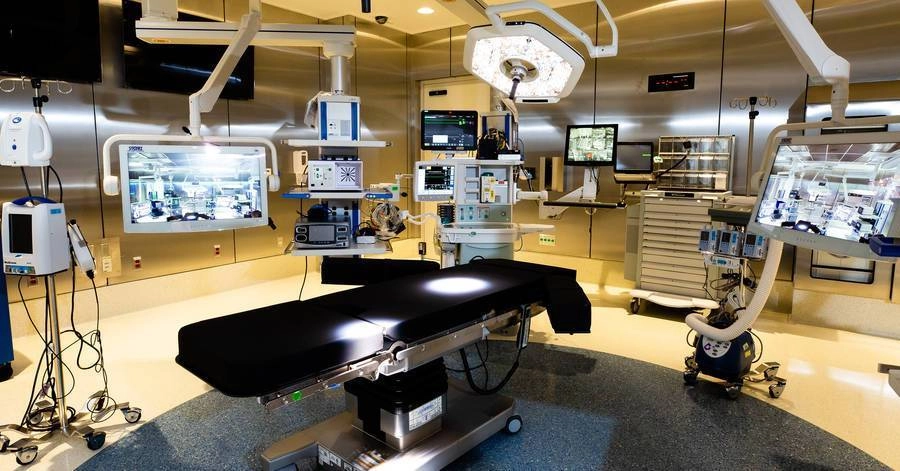
Workflow Integration Matters More Than Standalone Features
Advanced features on their own offer little help without smooth links to hospital systems like PACS and EMR platforms. Displays that improve the full workflow create bigger benefits. They shorten task times and lower error rates.
Integrated Clinical Workflow
Medical displays work as pieces of a larger information system. Tools like KVM switches let users manage several systems from one spot. This cuts down desk mess and speeds up access to different sources. Uniform port setups and remote tools also aid smooth daily work. Designs that stress connectivity help displays fit into complicated clinical setups without causing issues.
Ergonomics and User Comfort Impact Clinical Adoption
Long viewing times in procedures or diagnostics can cause eye strain, neck pain, and lower performance. Good ergonomic design greatly affects how well displays are accepted and how clinicians feel.
Ergonomics in Medical Display Design
Adjustable stands allow changes in height, tilt, swivel, and pivot. These fit different user needs and group viewing. Flicker-free backlights and low blue light settings reduce eye tiredness in long sessions. Simple on-screen controls and light builds make it easy to move displays on carts or desks. All these parts together lessen physical stress and help maintain concentration in busy settings.
Future Market Success Relies on Real-World Clinical Validation
Specs by themselves do not create trust. Proven results in actual clinical use build real confidence. Testing, certifications, and long-term reliability info confirm that displays suit tough healthcare demands.
The Importance of Clinical Validation
Links with hospitals allow round-the-clock testing in real places. This includes contact with cleaning products and steady calibration over time. Certifications like CE, FDA, and DICOM compliance, plus extended reliability records, give stakeholders assurance of steady performance.
Conclusion
Moving the medical display market toward clinician-centered goals—guided by feedback, specialization, workflow integration, ergonomics, and validation—matches development to the true demands of today’s healthcare. This direction helps clinicians provide better care more efficiently and with less strain.
FAQ
What defines a clinician-centered medical display?
A clinician-centered medical display puts practical clinical needs ahead of separate technical specs. It uses input from healthcare workers to improve usability, workflow speed, diagnostic precision, and lasting comfort in everyday settings.
Why is customization important for medical displays across specialties?
Different medical fields have unique needs. Radiology wants exact grayscale calibration. Surgery calls for high brightness and fluid protection. Pathology needs top color accuracy. Customized specs guarantee the best performance for each field’s demands.
How do ergonomic features benefit clinicians?
Ergonomic parts like adjustable stands, flicker-free backlights, and low blue light modes cut physical stress, eye tiredness, and discomfort in long use. They support stronger focus and lower the chance of work-related problems.
What role does workflow integration play in medical display effectiveness?
Integration tools like KVM switches and matching interfaces allow smooth links to PACS, EMR, and other systems. This reduces workflow breaks and supports effective handling of multiple sources.
Why is real-world clinical validation essential?
Validation from hospital tests, certifications (CE, FDA, DICOM), and long-term data shows reliability outside lab settings. It builds trust in displays for important healthcare tasks.
Partner with a Leading Manufacturer and Supplier for Custom Medical Display Solutions
Miqidisplay stands as a trusted manufacturer, supplier, and factory with over 20 years of OEM/ODM expertise in LCD, TFT, OLED, and touch screen technologies. Specializing in high-quality custom solutions, Miqidisplay offers medical displays featuring high brightness (up to 1000 nits), antibacterial glass for hygiene, wide temperature ranges, and tailored interfaces suitable for surgical monitors, diagnostic imaging, and healthcare equipment. With ISO-certified facilities, rigorous quality control, and a commitment to 90% on-time delivery, Miqidisplay provides reliable, clinician-focused displays backed by professional R&D support and 24/7 service.
Medical device manufacturers, OEM partners, and healthcare solution providers seeking customized medical displays should contact Miqidisplay today. Submit project requirements via the website for a personalized solution framework within 48 hours, or reach out directly at mary@miqidisplay.com, sale@miqidisplay.com, or WhatsApp +86 188 7965 2960 to discuss custom TFT LCD, OLED, industrial panel PCs, and other display needs. Elevate clinical performance with displays engineered for real-world healthcare demands.