





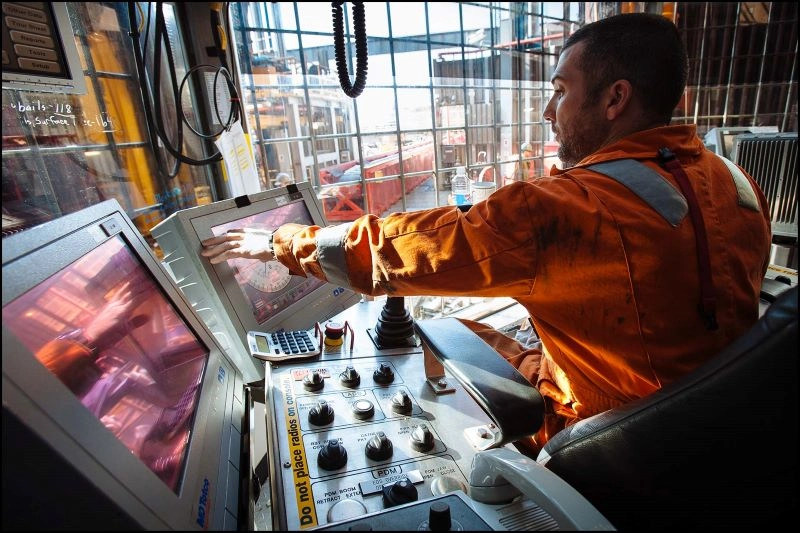
Industrial places need gear that stands up to tough conditions and still works well. Industrial monitors act as key links in factories, oil rigs, ships, power sites, automation setups, and other hard spots. These screens deal with dust, changing temperatures, shaking, hits, water, and electrical noise without losing function.
Picking the right industrial monitor takes close review of the site’s problems and work needs. Things like strength, ways to mount, protection levels, and extra features decide if it fits certain jobs.
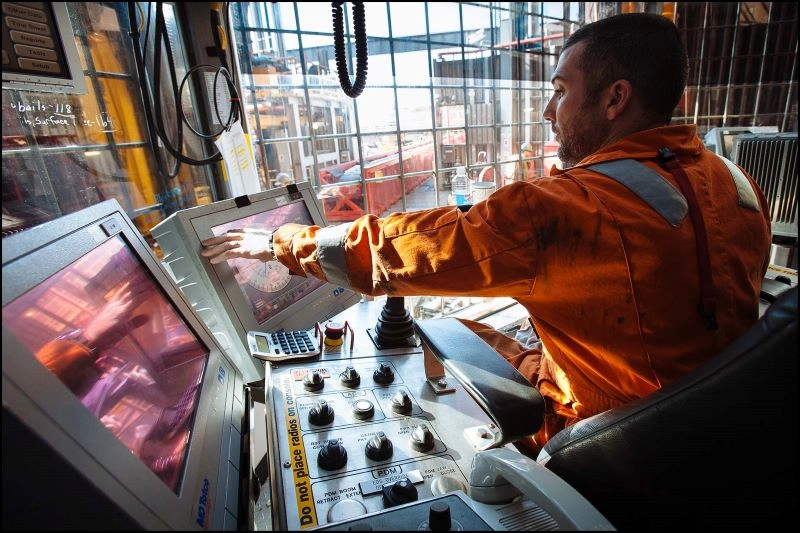
Industrial Means Quality Components
Industrial monitors use top-quality parts built for long use. Regular screens usually run just a few hours each day. But industrial ones handle nonstop work all day, every day, all year. So they need stronger parts like capacitors, backlights, and others to avoid early breakdown.
Parts in industrial monitors hold up against long use, very hot or cold temps, and outside stresses. They often work in wide temperature spans, from below freezing to very hot. This keeps things steady in places open to weather or machine heat. Strong build cuts down stops in work. That matters a lot on production lines, where breaks cause big losses.
Industrial Means Fit for Purpose
Where the monitor goes affects the choice strongly. Tough spots need screens that adjust to exact setup needs. They can sit inside machines, go on walls, or fit in control boxes.
Mounting options give plenty of choices:
Open Frame Monitors
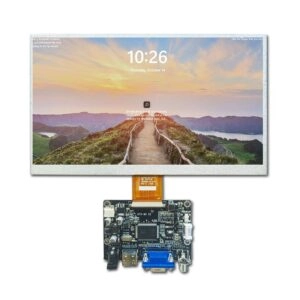
Open Frame Monitors have a simple frame. It lets them fit into custom boxes or fronts. The screen shows openly in front. This makes clean, flat setups possible. The frame gets fixed with screws, bolts, or clamps from behind. It gives an OEM-style look. This type provides the most design freedom for system builders and makers.
Panel Mount Monitors
Panel Mount Monitors fit spots with ready-cut holes. A bigger front edge covers the hole. The body goes behind and locks from the back. This makes a tight, clean look. It works great for control boxes or operator areas.
Chassis Mount Monitors
Chassis Mount Monitors wrap the screen in a tough metal case. They have VESA points on the back for mounting. VESA rules make it easy to attach to walls, arms, or stands. These suit fixed spots in industrial areas.
These mounting styles cover many setup cases, from built-in systems to stand-alone ones.
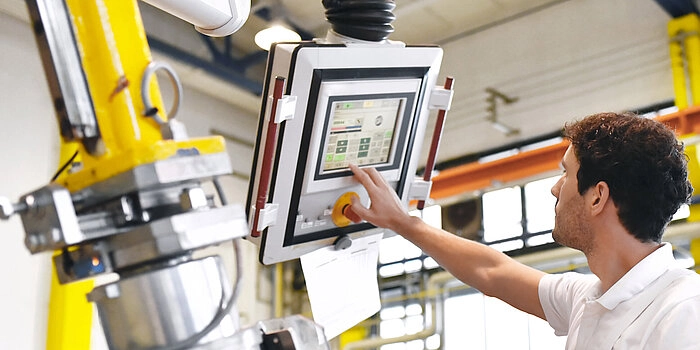
Monitors with Increased Ingress Protection
Keeping out dust, liquids, and dirt stands as a main worry in rough places. Ingress Protection (IP) ratings show how well they resist. An IP65 rating, often seen in industrial monitors, means full dust blocking (6) and strength against water jets from all sides (5).
In panel setups, the front usually gets IP65 seal when set right in the hole. The back stays safe inside the box. Fully sealed IP65 or better monitors matter a lot in wash areas, outside spots, or places with spills and bits. These ratings stop inside harm and keep work good over time.
Oil & Gas, Maritime, and Energy Certification
Some fields set strict certification rules past basic IP levels. Offshore rigs, ships, oil platforms, and power sites need to meet standards like DNV for sea and energy work. These checks prove the monitors handle shaking, hits, wide temps, and electrical fit.
Monitors with these certifications give safety and trust in risky jobs. Special builds use stronger cases, better seals, and tested parts to match the rules.
Touchscreen Monitors
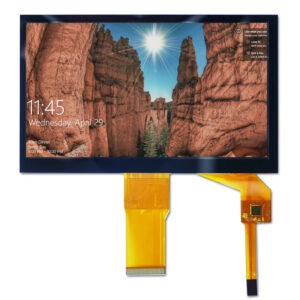
Touch control makes work better in industrial automation and process setups. Operators tap simple screens with icons and moves instead of old input tools. This boosts speed in busy spots.
Industrial touchscreen monitors often use capacitive type. It gives accurate multi-touch and works with gloves. They fit with mounting and protection choices. Placing them at good heights helps long use without getting tired. Touchscreens count as one of the top asked-for features in human-machine interface (HMI) work.
Industrial Means Longevity
Having parts ready for a long time keeps things running. Industrial monitors focus on part cycles that let direct swaps without box changes. Longer product runs cut risks of old tech and back long jobs in making and building.
Screen Size and Resolution
Different jobs set the screen size and clarity needed. Sizes go from small 10.1-inch ones for tight panels to bigger 21.5-inch or 19-inch screens for clear views. Resolutions like 1024×768, 1280×1024, or Full HD 1920×1080 give sharp pictures for data, plans, and video.
Industrial monitors meet exact needs. This includes wide shapes or square ones that fit control rooms and machine screens.
Rackmount Monitors
Standard 15-inch, 17-inch, and 19-inch rackmount monitors fit into 19-inch server racks. These racks show up often in data centers and control rooms. The units many times pair with keyboards and mice in KVM setups. That allows central watching of many systems.
OEM Support
Manufacturers and system integrators gain from suppliers with wide choices and custom help. Options cover made-to-fit sizes, connections, brightness amounts, and cases to match exact holes or site needs.
Miqidisplay stands as a leading manufacturer, supplier, and factory with over 20 years of expertise in LCD, TFT, IPS, and touch display technologies. Certified under ISO-9001, ISO-14001, and TS-16949, the company delivers industrial monitors designed for harsh conditions, including wide temperature operation, vibration resistance, dust-proofing, and IP65/IP67 protection. Products feature capacitive touch, multiple interfaces (HDMI, VGA, DVI), and sizes from 10.1 to 21.5 inches, supporting applications in automation, medical, military, and energy sectors. Custom solutions encompass enclosure modifications, brightness enhancements up to high nits, conformal coatings, and interface integrations for OEM/ODM requirements.
FAQ
What IP rating is typically needed for dusty or wet industrial settings?
IP65 provides dust-tight protection and resistance to water jets, sufficient for many applications. Higher ratings like IP67 offer full immersion protection where required.
Which mounting type works best for custom machinery integration?
Open frame monitors offer the greatest flexibility, allowing seamless embedding into OEM designs with flush mounting and minimal bezel interference.
Are touchscreen options available for gloved operation in industrial use?
Capacitive touchscreens in industrial monitors support multi-touch and glove compatibility, enabling precise interaction in automation and control scenarios.
How do certifications like DNV benefit oil, gas, and maritime applications?
These certifications confirm compliance with rigorous standards for shock, vibration, EMC, and environmental endurance, ensuring safety in offshore and energy operations.
Partner with a Trusted Industrial Monitor Manufacturer and Supplier
For those clients seeking reliable industrial monitors for harsh environments can rely on Miqidisplay’s expertise as a dedicated factory and OEM/ODM provider. With proven solutions featuring robust construction, custom configurations, and global certifications, Miqidisplay supports projects in automation, energy, medical, and beyond. Contact the team today via email at mary@miqidisplay.com or WhatsApp at +86 188 7965 2960 to discuss requirements, request quotations, or explore custom solutions. Live chat and the contact form on miqidisplay.com enable quick access to technical details and tailored recommendations. Secure high-performance displays that enhance operational reliability—reach out now to advance projects with a dependable partner.