





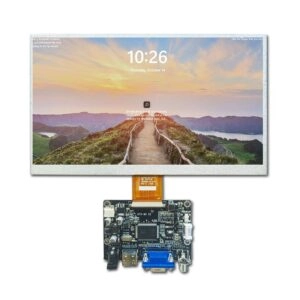
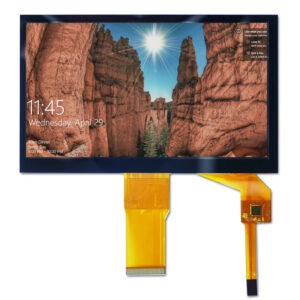




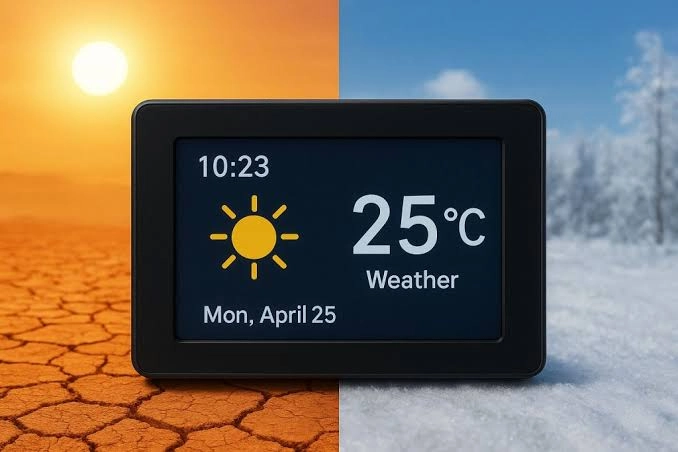
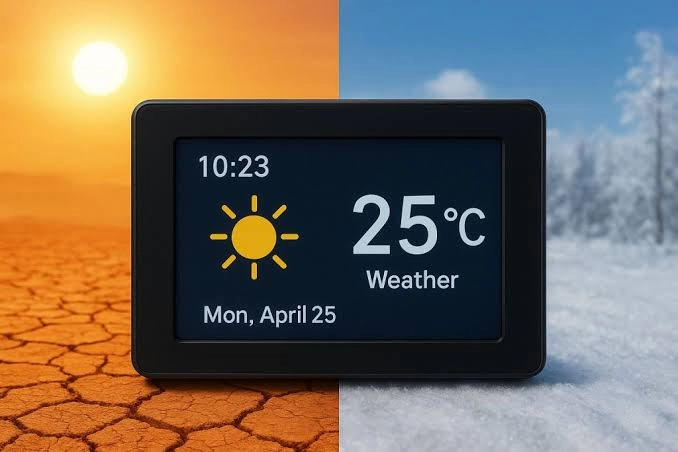
Selecting a wide temperature TFT LCD marks only the first step in making a tough industrial system. Datasheets often list operating ranges like -30°C to +85°C. Real performance comes from good integration and heat control inside the system box. Many system failures such as ghosting in cold weather or backlight problems in hot conditions come from poor design choices instead of the panel.
1. Understanding the Material Science of Industrial Displays
The “Clearing Point” Challenge in TFT Displays
A datasheet shows possible operating conditions. However it does not ensure long-term stability under actual heat loads. In a closed box internal temperatures often go up 15°C to 20°C above the outside air. This rise happens because of heat from processors power supplies and the display backlight. For an outside temperature of 50°C internal conditions may hit 70°C. This sets an important starting point for wide temperature TFT LCD setups.
Wide temperature displays use special liquid crystal mixes made for longer work. Normal mixes show high thickness at low temperatures. This leads to response times over 500 ms at -20°C. Every panel has a clearing point. This is the temperature where the liquid crystal turns isotropic and loses its ability to control light. Better mixes with clearing points over 100°C lower the chance of blackouts during strong sun or long high-temperature use.
Industrial uses in cars outdoor kiosks and heavy machines need these material improvements. Good choice keeps image quality color accuracy and response steady across temperature changes. It supports key operations where stop time costs a lot.
Material Innovations Driving Wide Temperature Performance
Manufacturers create liquid crystal formulas with better heat stability to meet industrial needs. These mixes keep lower thickness in cold conditions. They resist breakdown at higher temperatures. Together with strong polarizers and sealants these changes extend working life in places with fast temperature shifts. System designers gain from full material details when they pick parts for custom work.
2. Critical LCD Thermal Management Strategies: Calculating Heat Loads
Engineering Formula for Temperature Rise
Strong thermal management is necessary for a 10-year or longer service life. High-brightness backlights common in sunlight-readable designs work as local heat sources right behind the liquid crystal cell. A 1000-nit LED setup can make several watts of heat energy that needs good removal.
For a usual 7-inch 1000-nit module that uses about 5W temperature rise in a closed box follows simple thermal models. Main factors include power loss thermal resistance of the box volume and specific heat capacity. Lower thermal resistance comes from better contact between the display frame and metal chassis. This counts as one of the best strategies in the design phase that uses computers.
Real examples show that each extra 100 nits of brightness can raise inside temperatures by 2°C to 5°C without active cooling. Firmware with thermal throttling dims the backlight when NTC sensors find temperatures over 75°C. This protects the panel and LED driver parts from out of control situations.
Passive vs. Active Thermal Management
Thermal interface materials with good conductivity such as pads rated at 1.5 W/m·K or better lower connection temperatures by about 10°C. Workers apply them between the module frame and system chassis. Optical bonding with clear adhesives makes a firm thermal link. It moves heat from the panel to the cover glass which acts as a bigger heat sink. This method also raises contrast and mechanical strength.
In tight space designs graphite sheets spread local hot areas over bigger surfaces. They stop uneven heating that might cause local clearing in the liquid crystal layer. These passive ways often work enough for industrial monitors and embedded systems. They cut down on fans that bring reliability problems in dusty or shaking places.
The use of these strategies allows high-brightness wide-temperature work in items like industrial monitors and vehicle displays. It keeps performance where normal parts would stop working.
3. Cold Start Solutions: Beyond -30°C Operation
Hardware Integration: ITO Heaters
Cold start conditions mean turning on a display after long time at -30°C or lower. They give one of the hardest situations for wide temperature TFT LCD technology. Frozen liquid crystals and higher part resistance raise risks of latch-up or damage if voltage comes on suddenly.
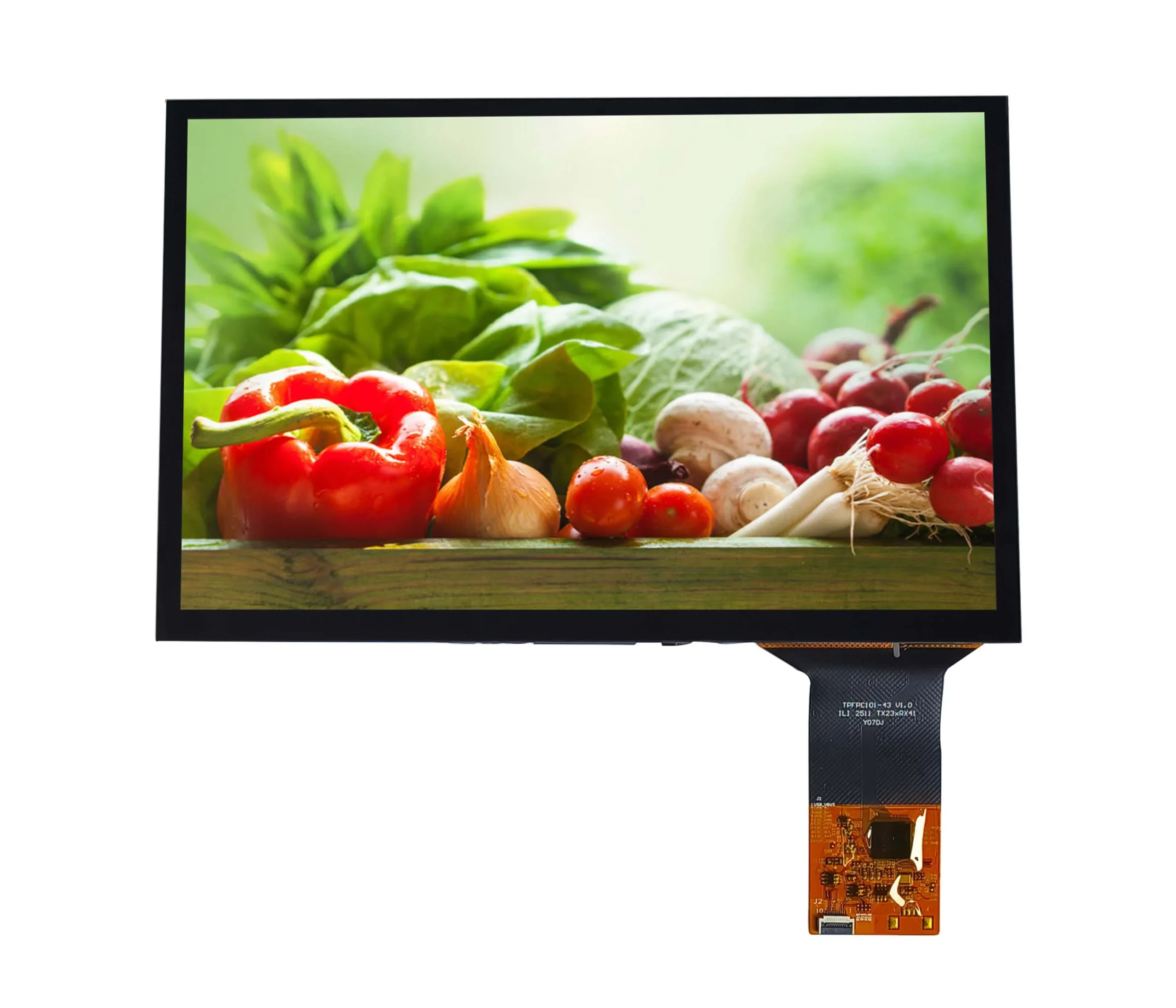
Indium Tin Oxide (ITO) heaters give a good answer. They provide controlled power usually 2-4 watts per square inch to bring back working thickness in the liquid crystal. Power supply designs need to handle this short increase. It often lasts 1-2 minutes in the first warm-up. Such heaters are key to custom solutions for cold outdoor or unheated industrial setups.
Software Sequencing and Timing
A step-by-step start process improves reliability. One usual rule delays full backlight turn-on until inside temperatures reach about -20°C. This cuts smearing issues. Pulse-width modulation allows slow brightness increase. It protects LED strings from heat shock and stops voltage drops from higher capacitor resistance in cold conditions.
These hardware and software steps together make sure of quick function when power starts. This stays important for uses like transport remote checks and emergency systems that need fast view.
4. Industrial LCD Reliability Testing: Ensuring Field Longevity
Vibration and Thermal Expansion in Industrial LCDs
Field performance relies on how the display enclosure and environment stresses work together. Thermal expansion vibration and humidity changes can weaken connectors and traces over time. This shows the need for full reliability checks.
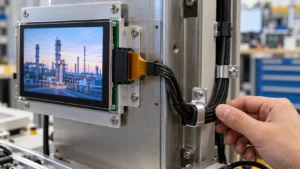
In car rail or heavy equipment places vibration with temperature cycles puts stress on connectors and flexible printed circuits. Locking ZIF connectors and planned FPC slack like U-shaped paths handle different expansion between glass metal frames and plastics. Chemically strengthened cover glass keeps impact strength over the full temperature range.
Key Elements of Industrial LCD Reliability Testing
Check methods usually include high-temperature storage at +85°C for hundreds of hours. They look at polarizer aging adhesive strength and liquid crystal stability. Low-temperature start tests after -40°C soaks confirm start and clear view. Thermal shock cycles between -40°C and +85°C show mismatches in expansion rates. High-temperature high-humidity tests check chemical movement and light output in backlights.
These tests done on sample modules give confidence in long deployment for industrial monitors HMIs and special TFT solutions. Manufacturers gain from suppliers that can share full test data made for particular needs.
5. Integration Considerations for Wide Temperature TFT LCD Design
Enclosure and Mechanical Design Factors
Good integration needs focus on system details. Enclosure design should put first low thermal resistance paths. Cable and connector choices must handle expansion and vibration. Interface customization like HDMI LVDS or MIPI makes sure of match with host platforms. It keeps signal quality across temperatures.
Advanced Customization for Industrial Applications
For industrial monitors features like IP-rated protection anti-vibration mounting and conformal coatings add durability. Touch panel integration whether capacitive or resistive needs careful optical bonding and glass choice to keep performance in extreme conditions. These points support full solutions for tough areas including automation transportation and medical equipment.
FAQ
What temperature range defines a true wide temperature TFT LCD?
Modules rated for -30°C to +80°C or broader using specialized liquid crystal mixtures and robust backlights qualify as wide temperature solutions suitable for harsh environments.
Is an ITO heater always necessary for cold environments?
It depends on the duty cycle. Systems that remain powered on benefit from self-heating while intermittent-use equipment in extreme cold benefits a lot from heater integration.
How does thermal management affect backlight longevity?
Good heat removal stops lumen drop and driver overheating. It adds directly to longer working life in high-brightness uses.
What testing standards should be referenced for industrial deployments?
Put first modules with recorded high-temperature storage thermal shock and humidity test data that match industry benchmarks for the target use.
Partner with a Trusted Display Manufacturer for Custom Wide Temperature Solutions
Business seeking reliable wide temperature TFT LCD solutions benefit from working with an experienced display manufacturer. This manufacturer offers custom-engineered products backed by strict testing and supply chain stability. Miqidisplay specializes in industrial-grade TFT LCD displays. These include wide temperature variants high-brightness modules and complete industrial monitors made for tough applications. With many customization choices that cover optical bonding heaters interfaces and enclosures the company supports OEM/ODM projects across automotive medical security and heavy industrial sectors. Contact the team to talk about particular requirements. See how custom display solutions can improve system reliability and performance.